

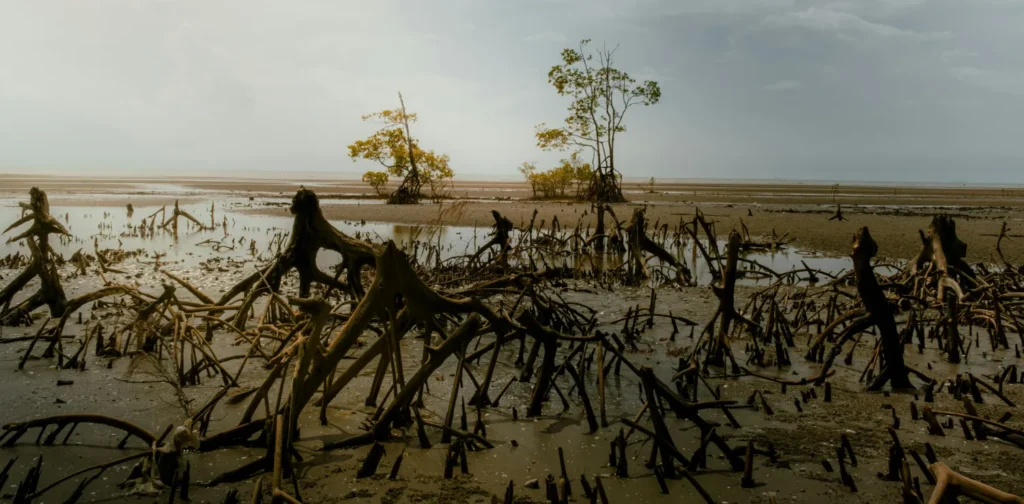
 Mikoko Pamoja, A Blue Carbon Project for Climate Resilience
Through blue carbon projects, Mikoko Pamoja restores mangroves, reduces emissions, and reinvests in clean water and education in coastal Kenya.... Read More
SDGs Goal 14
 Establishing High Seas Conservation with the BBNJ Agreement
In 2023, 193 United Nations Member States adopted the BBNJ Agreement. What is it, and how is the progress so far?... Read More
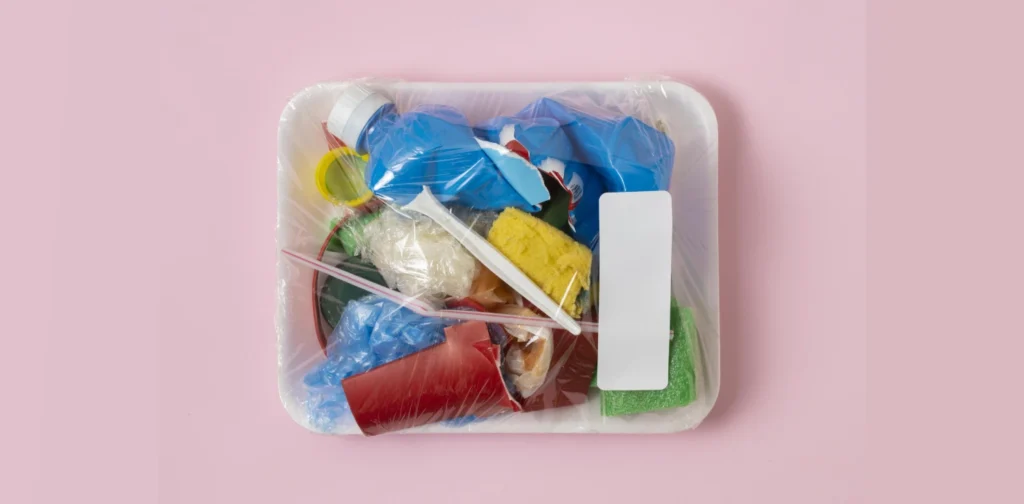 Southeast Asians as the Biggest Microplastic Eaters
Humans are becoming bigger and bigger microplastic eaters, and Southeast Asians get the biggest portion.... Read More
 Indonesia-UK Cooperation to Strengthen Marine Conservation
Indonesia partners with the UK to improve the quality of marine conservation area management through the Blue Planet Fund project.... Read More
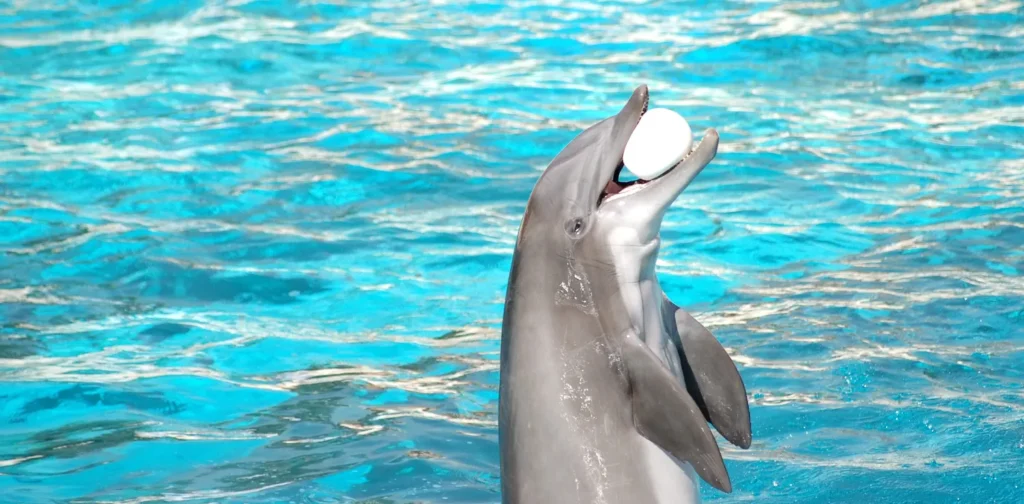 How Umah Lumba Rescues and Rehabilitates Circus Dolphins
In Indonesia, Umah Lumba aims to rescue, rehabilitate, and eventually release circus dolphins back into their natural habitat... Read More
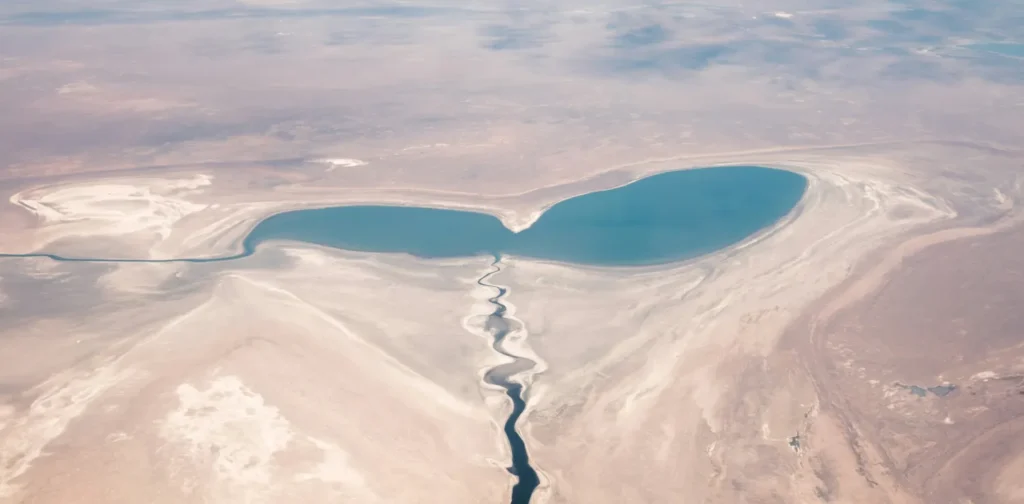 Restoring Aral Sea’s Dried-Up Ecosystem
The Aral Sea is an example of severe environmental degradation caused by overexploitation. Is restoration possible? ... Read More
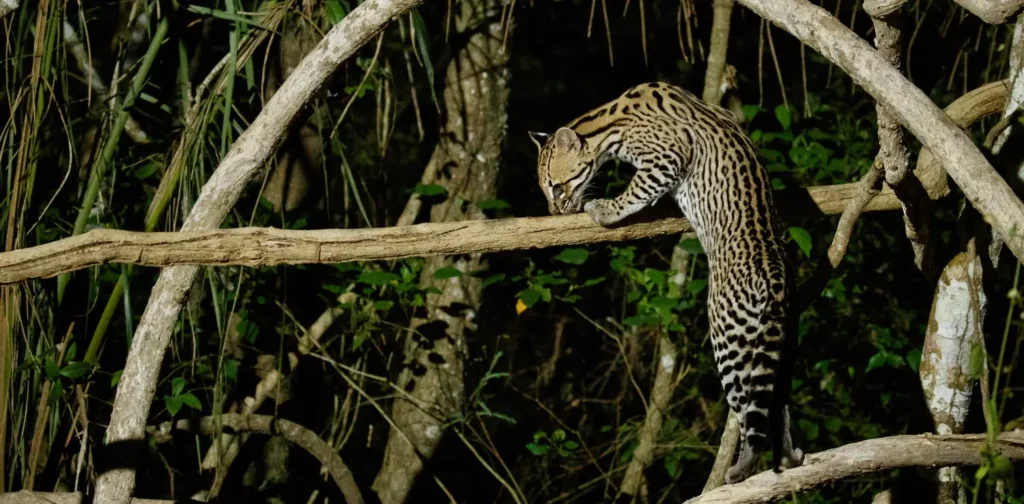 How Semende Tribe in Indonesia Coexists with Wild Cats
The Semende Tribe and wild cats show an example of a mutually beneficial relationship between humans and biodiversity.... Read More
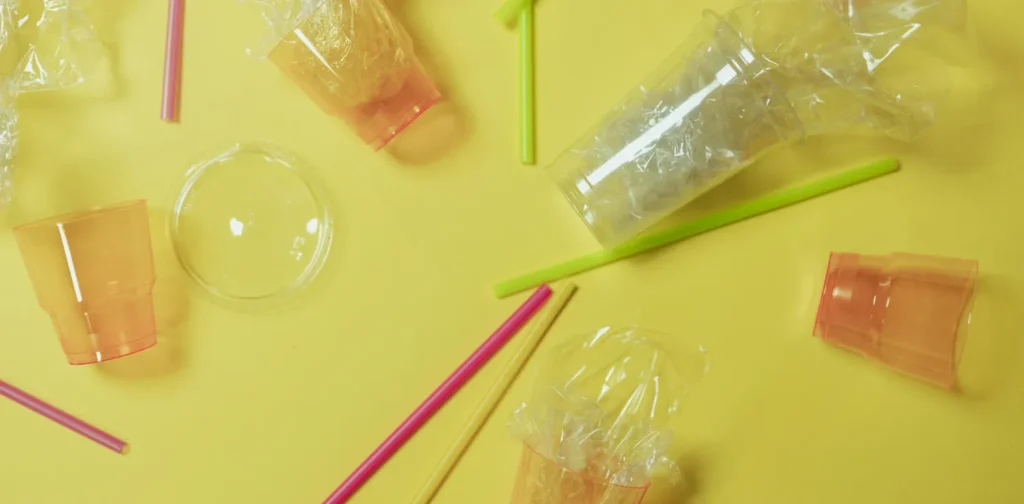 Recent Study Reveals New Biodegradable Plastic Alternative to Styrofoam
Researchers in Massachusetts discovered a new biodegradable plastic alternative that degrades quicker when tested in seawater.... Read More
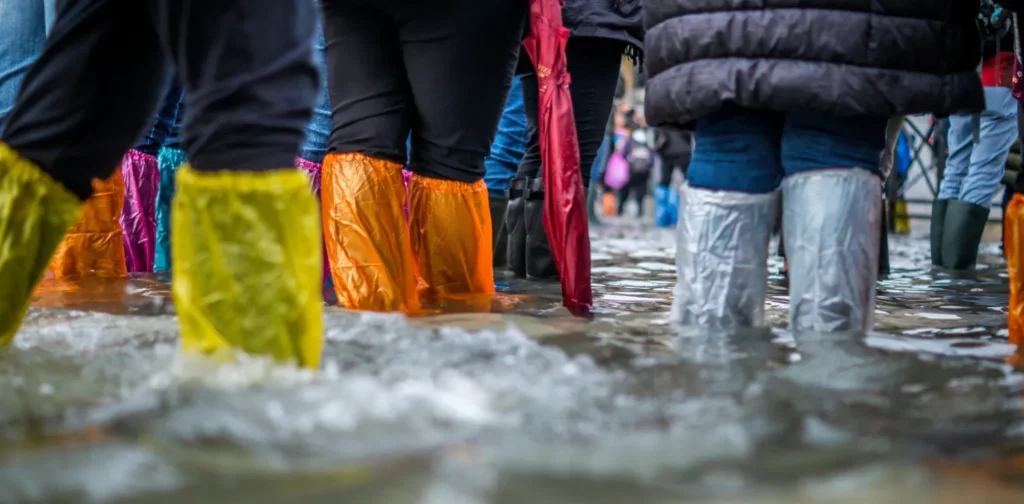 Understanding the Severity of Sea Level Rise
Sea level rise has caused devastating impacts on people and the planet. How is its current state and what can be done to address it?... Read More
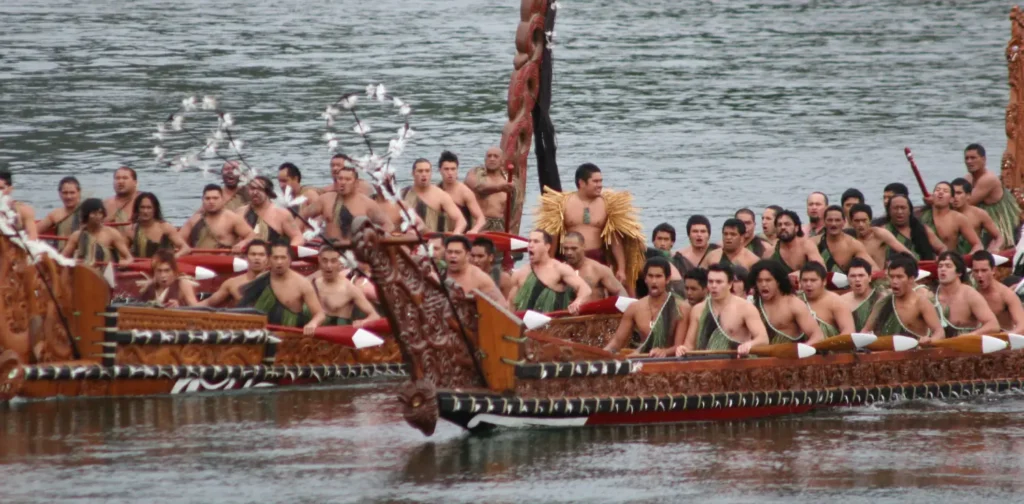 How Moana Project Combines Traditional Knowledge and Technology for Ocean Sustainability
The Moana Project in New Zealand aims to protect the ocean by combining traditional knowledge with technology.... Read More