

Why the World Still Doesn’t Have a Global Plastics Treaty
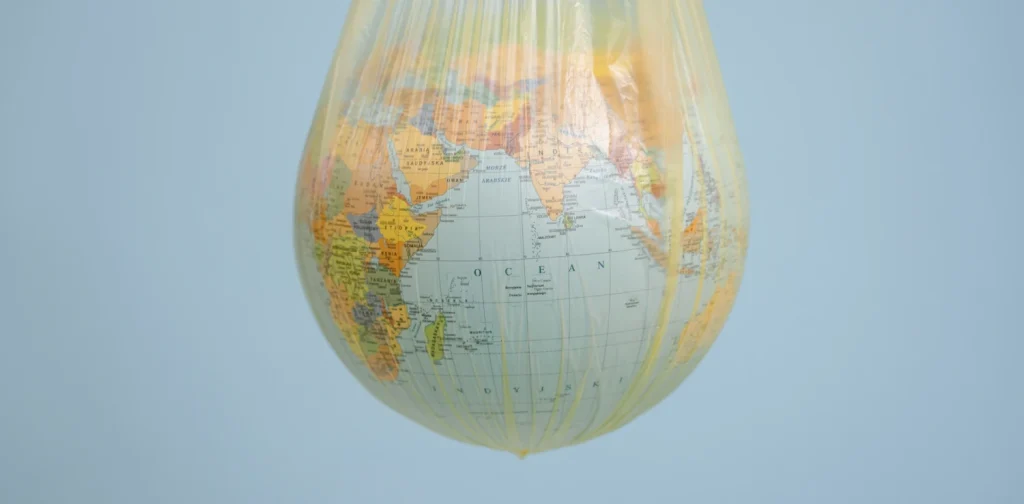
Photo: MART PRODUCTION on Pexels.
Every year, the world produces more than 460 million metric tons of plastic. Of that, an estimated 20 million metric tons end up polluting oceans, soils, and air. The pace is not slowing down, with plastic waste on track to reach 1.7 billion metric tons by 2060. Even more alarmingly, plastic has now been found in human blood, lungs, and breast milk. The science has been clear for years. The politics, though, have not. After four years of negotiations, a global plastics treaty remains out of reach, and the gap between what the planet needs and what diplomats can agree on keeps widening.
The Treaty That May Never Be
Negotiations to create a legally binding global plastics treaty began in 2022. Then, 175 nations agreed at the UN Environment Assembly to establish an Intergovernmental Negotiating Committee (INC) to draft the instrument. The mandate was ambitious. Unlike previous agreements that only tackled plastic waste after the fact, this treaty was supposed to cover the full life cycle of plastics, from the extraction of raw materials and chemical design all the way through production, consumption, and disposal. The plan was to have it ready by the end of 2024 after five INC sessions.
But it never came to fruition. The INC’s broad mandate created fragmented debates. The “full life cycle” in question generated contestation among parties present. Negotiators were simultaneously trying to agree on production caps, chemical regulations, waste management, and financing, all at once, before even agreeing on the basics.
The fifth—and what was meant to be the final—session in Busan, South Korea, in November 2024 collapsed without a treaty. The Committee convened again for a sixth session, INC-5.2, in Geneva in August 2025 to salvage a deal. There were 2,600 participants from 183 countries in the room. It ended the same way. By the time it was over, 42 days of talks across six sessions had produced no agreement.
Why The Global Plastics Treaty Keeps Stalling
The core fault line was not technical. It was political.
On one side, there was a High Ambition Coalition of over 100 nations, including the European Union and many developing countries. They pushed for binding caps on plastic production and controls on the most dangerous chemicals used to make plastics. On the other, it was a bloc known as the “Like-Minded Group”, led by Saudi Arabia and including Russia, Iran, Iraq, and Kuwait. This side insisted that the plastics treaty should focus solely on waste management, leaving production untouched.
For these nations, plastic is a growth market. As fossil fuel demand for energy peaks and sets to decline, petrochemicals have become the industry’s next big bet, making production limits a financial red line, not just a policy disagreement.
At the INC-5.2, at least 234 fossil fuel and chemical industry lobbyists registered as participants, outnumbering the delegations of many small island states. Over eleven days, the Like-Minded Group blocked consensus and ran out the clock, leaving the final draft with nearly 1,500 brackets around unresolved text. This made INC-5.2 another session without a deal, and the chair resigned two months later.
“The world is expecting action, not reports from us,” came a plain reminder from a representative from Madagascar.
And the journey did not stop there. The February 2026 INC-5.3 session in Geneva was limited to one day of administrative matters, including electing a new chair. As of August 2026, no date has been set for the next substantive round of negotiations.
A Way Forward
The continued failure has not stopped countries from acting at home. The Philippines has mandated manufacturers to reduce plastic waste by 80% by 2028 under its Extended Producer Responsibility law, one of the more ambitious national frameworks in the region. And the treaty process that began in 2022 with genuine ambition still has a legal and institutional framework to build on, even if the timeline has slipped badly.
According to researchers at the Research Institute for Sustainability and the International Institute for Sustainable Development, a few fixes could break the deadlock on the global plastics treaty. They recommend separating the question of production limits from waste management in the negotiating text. This way, the agreement on what is achievable does not block progress on what is contested.
It is also vital to give small island developing states and frontline communities guaranteed seats and resources at the table rather than watching industry fill the room. And no less importantly, the Committee should set a firm timeline for the next substantive session rather than leaving the calendar open-ended.
What both sides seem to agree on is that voluntary commitments alone will not work. The entire point of a legally binding instrument is to hold every country accountable, not just the ones that already want to act. Without that, the planet will keep producing plastic faster than diplomats can agree on what to do with it.
Editor: Nazalea Kusuma
Co-create positive impact for people and the planet.
Amidst today’s increasingly complex global challenges, equipping yourself, team, and communities with interdisciplinary and cross-sectoral insights on sustainability-related issues and sustainable development is no longer optional — it is a strategic necessity to stay ahead and stay relevant.
 Behavior Change for the Planet: Is composting worth it?
  Building Bridges Between Environmental Policy and Mental Health
  We May Surpass 1.5°C Soon, But We Can Do Something About It
  From European Heat to the Himalayan Flood: The Transboundary Nature of Climate Risk
  Noise Pollution Is Making Us Sick, and Climate Change Is Making It Worse
  Beyond Fashion: The Environmental Cost Behind Animal Leather