

Looking into Moon Mining and Its Potential Issues
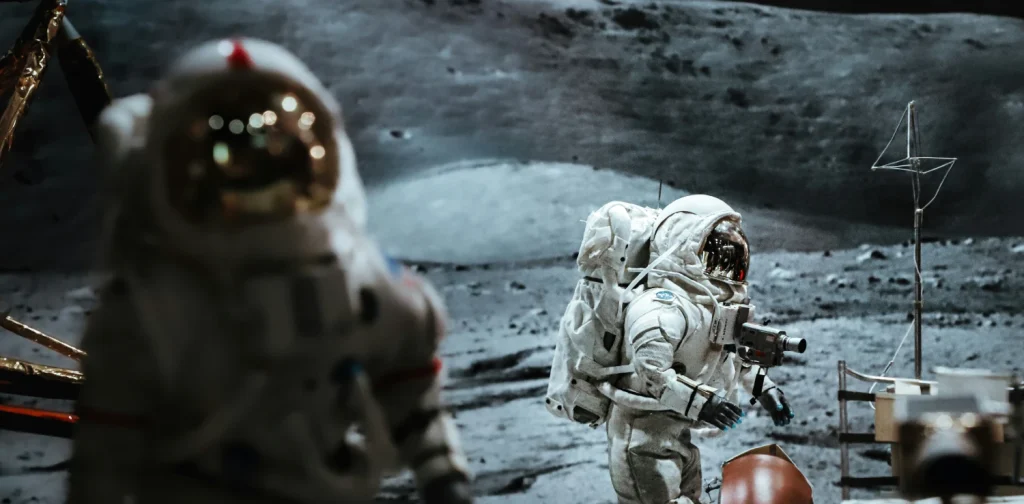
Photo: Mario Verduzco on Unsplash.
The Moon is beautiful. More than that, it serves its function as Earth’s only natural satellite in space. Scientific research and technological advancements have increased human interest in lunar exploration, and these developments have facilitated greater access to the Moon. However, human ambitions seem endless. There is now talk of Moon mining, raising concerns about its potential exploitation.
Moon Explorers
The first human landing on the Moon in 1969 represented a pivotal milestone that broadened future possibilities. Following the initial Moon landing, NASA has led efforts to return humans to the Moon and establish a crewed lunar base through the Artemis Program. Launched in 2017, the program’s primary objective is moon exploration. It began with Artemis I, an uncrewed flight test in 2022, and followed by the crewed Artemis II mission in April 2026.
The Artemis Accord for the project has generated significant controversy and opposition among major powers. But rather than rejecting the concept of exploiting the Moon’s resources entirely, superpowers such as Russia and China have chosen to collaborate on establishing an International Lunar Research Station (ILRS). As a result, multiple high-income nations are engaging in various Moon activities, from exploration to deploying nuclear reactors to power lunar bases.
Moon Resources
Contemporary plans for Moon exploration have extended beyond scientific discovery. They now encompass the ways we can use the Moon, including through the extraction of the Moon’s natural resources and the development of a space tourism industry.
In this context, the Moon serves as a strategic intermediary for broader objectives, such as establishing settlements on Mars and other locations in the solar system. Aspirations for human migration into space arise from worsening uncertainties on Earth, such as global warming and environmental degradation.
Meanwhile, the Moon contains resources that are increasingly vital to humanity, particularly as Earth’s supplies diminish. For example, water ice at the Moon poles can be converted into drinking water and hydrogen-based rocket fuel.
The Moon also holds rare earth elements (REEs), including europium and neodymium, which are critical for technologies like electric vehicles, computer hard drives, flat-screen monitors, wind turbines, and mobile phones. These resources have attracted the interest of major world powers, shifting the focus from scientific exploration to resource extraction, specifically Moon mining.
Contemplating Moon Mining
Moon mining is not a simple issue. As a largely uncharted space, moon mining raises significant concerns from multiple perspectives. For one, the Moon influences various natural systems on Earth, such as the oceans’ bulges and tides. The presence of Moon mines may impact these interactions, which is something to consider.
The Moon’s legal status also presents a complex challenge. The Moon is not owned by any nation or coalition. Thus far, the 1967 Outer Space Treaty and the 1979 Moon Agreement have been regulating Moon exploration. Without treaty reforms or universally accepted international laws explicitly addressing Moon mining, these legal gaps in space governance may lead to territorial disputes over mining rights.
It may then introduce a new challenge, the economic space gap. Currently, no formal agreement regulates mining procedures on the Moon or guarantees the equitable distribution of benefits derived from such activities. On Earth, mining industries are predominantly situated in low-income regions, yet they rarely bring prosperity to the surrounding communities. In this light, moon mining could intensify existing global inequalities.
Furthermore, environmental degradation and resource depletion represent additional risks. The historical pattern of exploration leading to exploitation, as seen in Antarctica, underscores the need to discuss whether Moon mining should proceed. The Moon’s cultural significance must also be a factor. Since ancient times, the Moon has held sacred importance and been central to many cultures’ beliefs. So, any significant potential disruption to the Moon must not only consider those who see the Moon as an economic resource or a symbol of human progress, but also those who view it as a guiding force in their lives.
Editor: Nazalea Kusuma

Co-create positive impact for people and the planet.
Amidst today’s increasingly complex global challenges, equipping yourself, team, and communities with interdisciplinary and cross-sectoral insights on sustainability-related issues and sustainable development is no longer optional — it is a strategic necessity to stay ahead and stay relevant.
 Learning from Indigenous Philosophies: Reconnecting People and Nature for Wellbeing
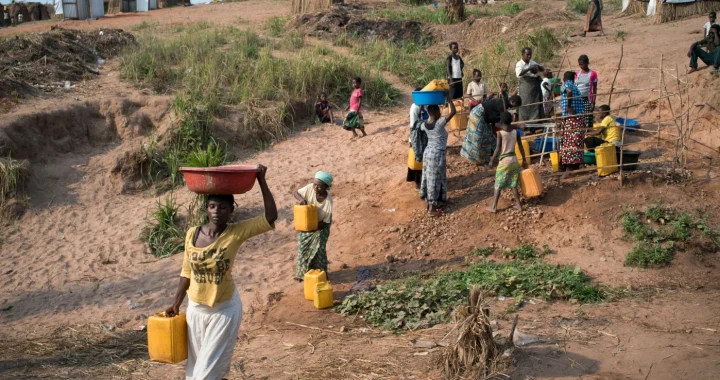 Challenging Access to Clean Water in Mining Regions
 Online Scrap Yard: What a Digital Marketplace Changes for Asia’s Recycling Trade
 Why Does Child Labor Persist?
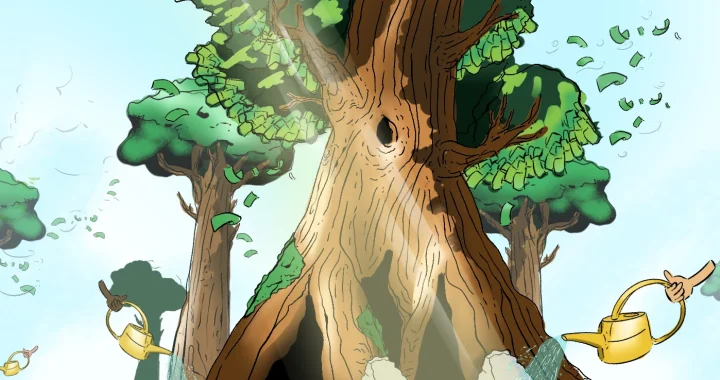 F for Fairness: A year on, TFFF must reach the people who protect forests
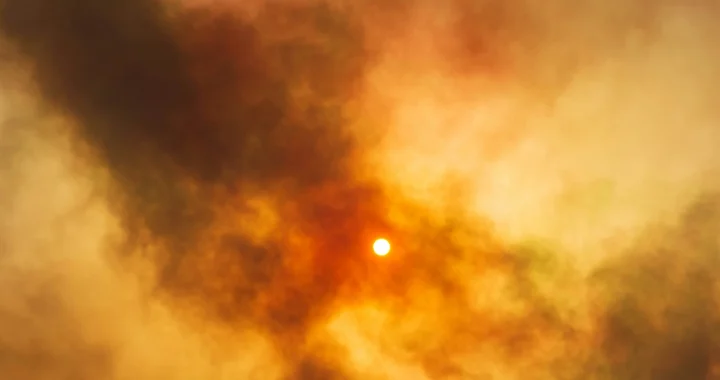 Risk of Transboundary Air Pollution Increases as Extreme Heat Continues