

Harnessing the Power of Fungi for Environmental Restoration Through Mycoremediation
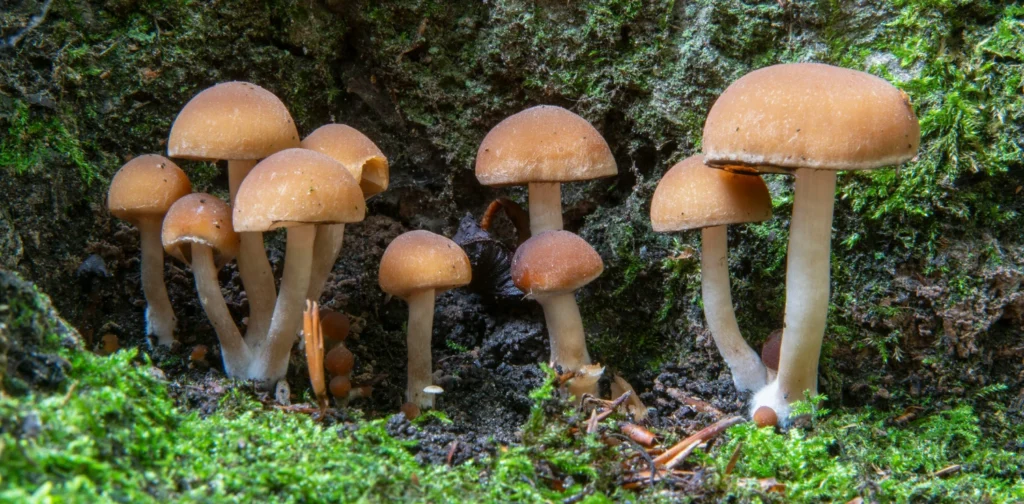
Photo: Wietse Jongsma on Unsplash.
We are facing the triple planetary crisis of pollution, biodiversity loss, and climate change. Human activities, especially industrialization, often lead to ecological damages. Vulnerable communities with less access to resources and more dependence on their lands are the ones taking the hardest hits. In search of solutions, studies emerge around a new field called mycoremediation: the use of fungi to decontaminate the environment.
The Versatile Fungi
There are over a million different known species of fungi, and they are ever-present within almost all ecosystems on Earth. Their large hidden network of mycelium, similar to a root system, works to transport nutrients and chemicals between organisms.
In the world of environmental restoration, studies emerge that show fungi have versatile uses. Fungi are the decomposers of the natural world. They secrete a type of enzyme that helps break down organic structures and recycle them back into nature. Moreover, many fungi species are extremely resilient, resistant to both water and fire.
With its abundance and those functions, they can be utilized for many things. Research suggests the use of fungi as a nature-based solution to environmental degradation through mycoremediation. For example, mycoremediation are useful in waste digestion and decontamination. From capturing toxins from dilapidated homes in Cleveland, USA to cleaning up oil in canals in New Zealand and even filtering polluted air in Delhi, India, this biotechnology is being put to use all over the globe.
Mycoremediation and Indigenous Communities
Indigenous communities are among the most vulnerable to ecological damage due to their connection to their lands. Pollution and the resulting environmental degradation causes not just health risks but also loss of land, resources, and cultural identity. At the same time, they are rich in knowledge and have been using nature-based solutions to manage their lands.
Notable projects involving mycoremediation include work in the Ecuadorian Amazon rainforest. The toxic oil spills in the region severely impact tribes like the Kichwa, contaminating their land and water. With mycoremediation, petroleum-degrading fungi are utilized to clean up the vast oil spills with their enzymes.
Environmental organizations are also partnering with the Indigenous people in California, USA. They are exploring mycoremediation methods for cleaning up contaminated land caused by industrial pollution. Meanwhile, the University of Colorado Boulder are using fungi to clean up soil on the lands of the local Native Americans. In time, they hope that it will allow for the re-rise of traditional crops and medicines.
Potential Development and Implementation
These are only a portion of the wide array of ongoing efforts to make use of fungi and their incredible resourcefulness. As it develops and grows in popularity, it could go on to benefit more communities and play a major role in ecological restoration.
To achieve that, it would require committed collaboration between local communities, researchers, and governments. Funding, enabling systemic support, and education are key. Many working in research and development encounter lack of funding to conduct their experiments or continue their projects into long-term, large-scale implementation and success. Moreover, structural support and knowledge sharing will encourage widespread grassroots participation in the wonders of using nature to help it heal itself.
Editor: Nazalea Kusuma
Co-create positive impact for people and the planet.
Amidst today’s increasingly complex global challenges, equipping yourself, team, and communities with interdisciplinary and cross-sectoral insights on sustainability-related issues and sustainable development is no longer optional — it is a strategic necessity to stay ahead and stay relevant.
 Noise Pollution Is Making Us Sick, and Climate Change Is Making It Worse
  Beyond Fashion: The Environmental Cost Behind Animal Leather
  Addressing the Hidden Risk of Microplastics from Offshore Infrastructures
  Addressing Antimicrobial Resistance as More Than a Medical Issue
  Holding Harmful Industries Liable for Harm to Human Life and the Environment
  Clearing the Air of Despair Surrounding the Climate Crisis with Data