

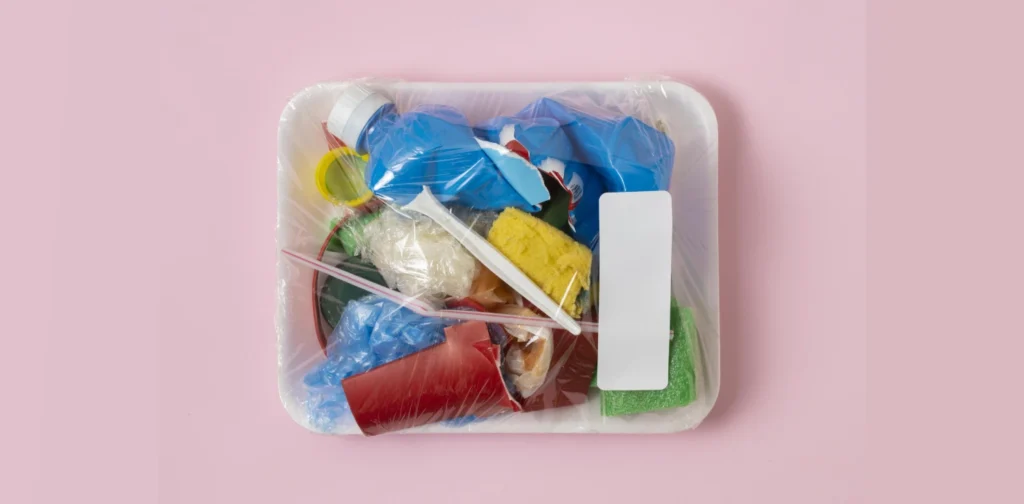
 Southeast Asians as the Biggest Microplastic Eaters
Humans are becoming bigger and bigger microplastic eaters, and Southeast Asians get the biggest portion.... Read More
SDGs Goal 15
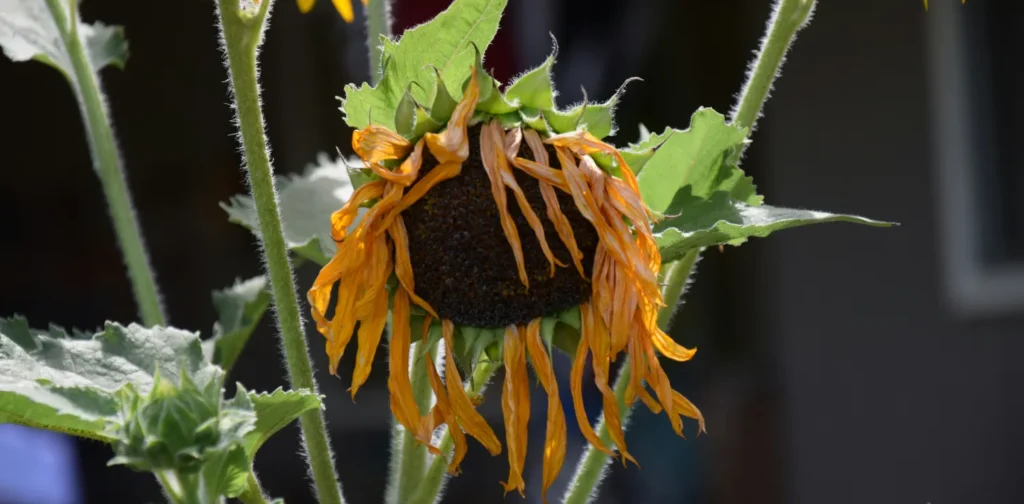 The Cali Fund Calls for Private Sector Contribution in Halting Biodiversity Loss
The Cali Fund was launched by the Parties of the Convention on Biological Diversity to support funding for biodiversity actions.... Read More
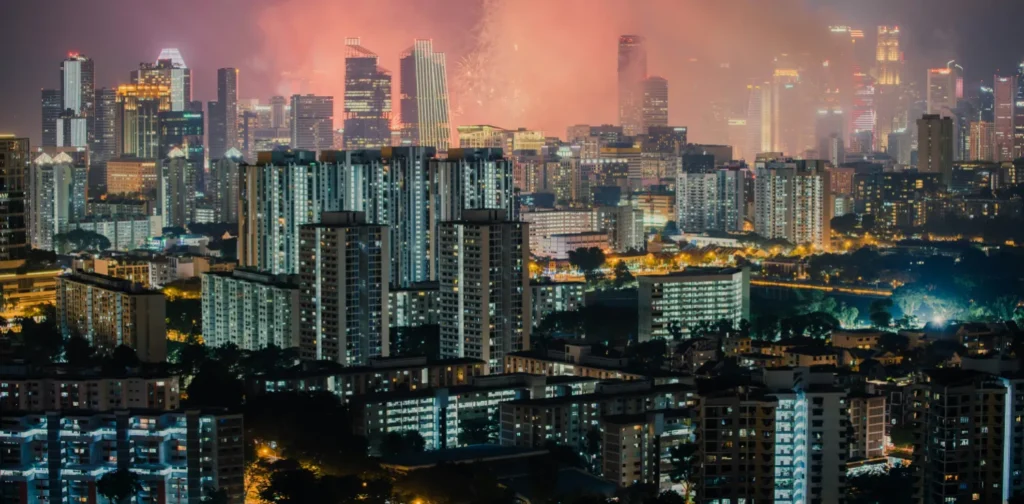 Dark Side of the Light: How light pollution affects people and the planet
Artificial light pollution becomes an increasingly relevant, often-overlooked issue that affects humans and other life forms on Earth.... Read More
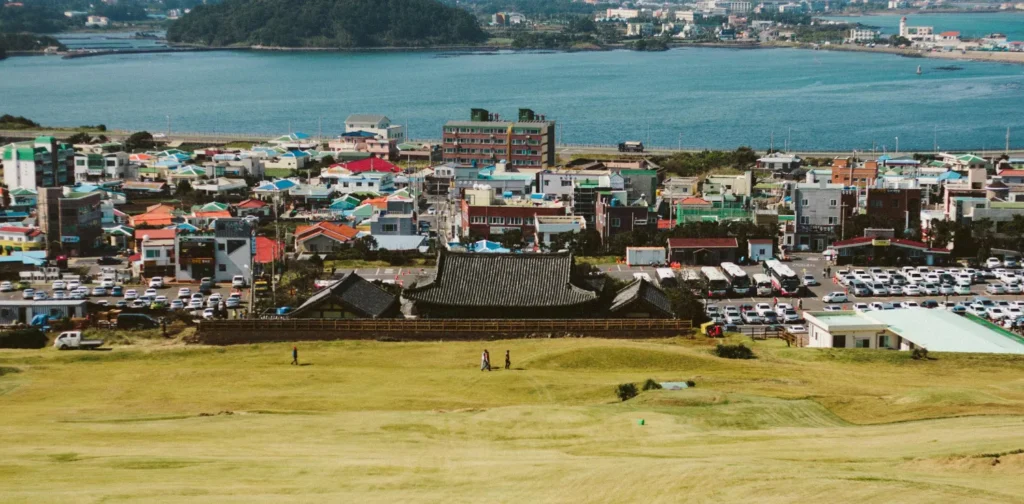 Exploring the Importance of Urban Wetlands
When properly preserved and sustainably managed, urban wetlands offer many environmental, economic, social, and health benefits.... Read More
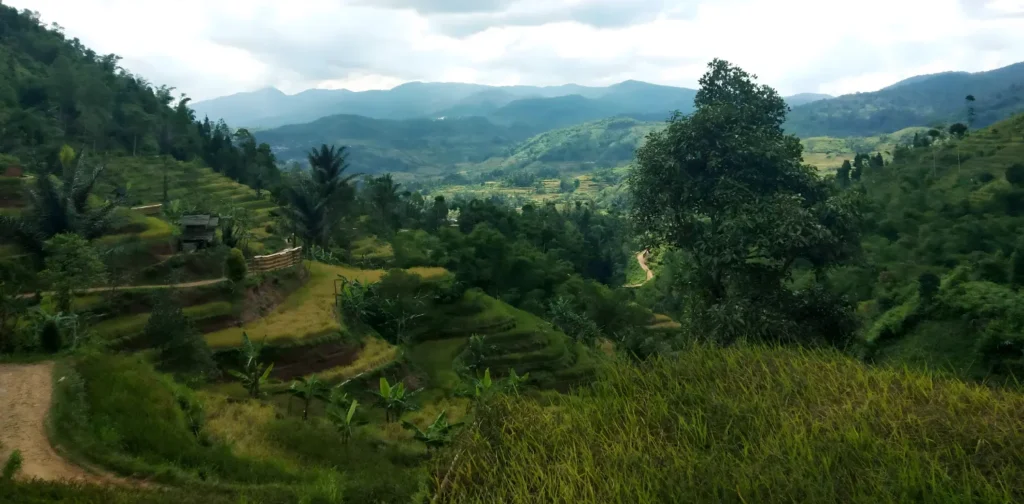 How Ciptagelar Indigenous Community Practices Agriculture in Harmony with Nature
The Ciptagelar Indigenous community has long implemented agricultural practices in harmony with nature to achieve food sovereignty.... Read More
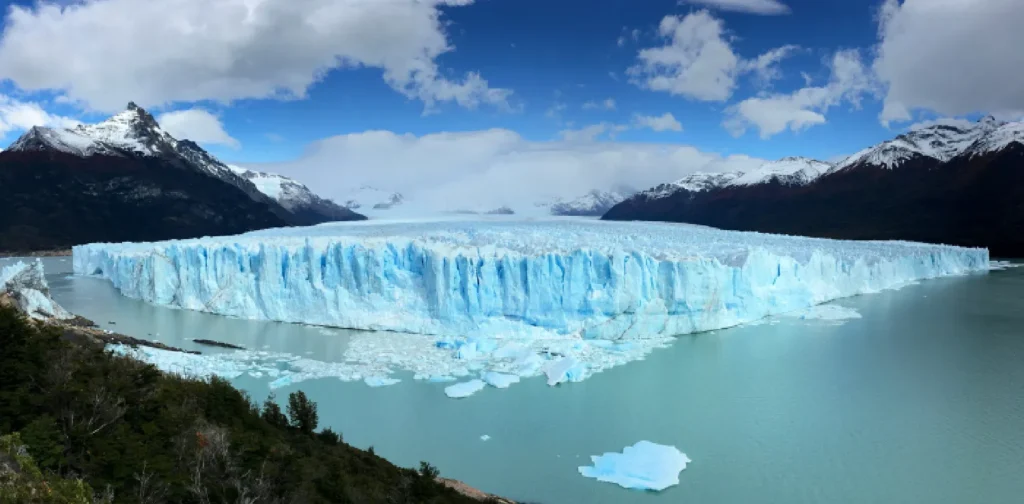 The Widespread Consequences of Melting Glaciers
The rise in global temperature has accelerated the melting glaciers phenomenon. What are the consequences?... Read More
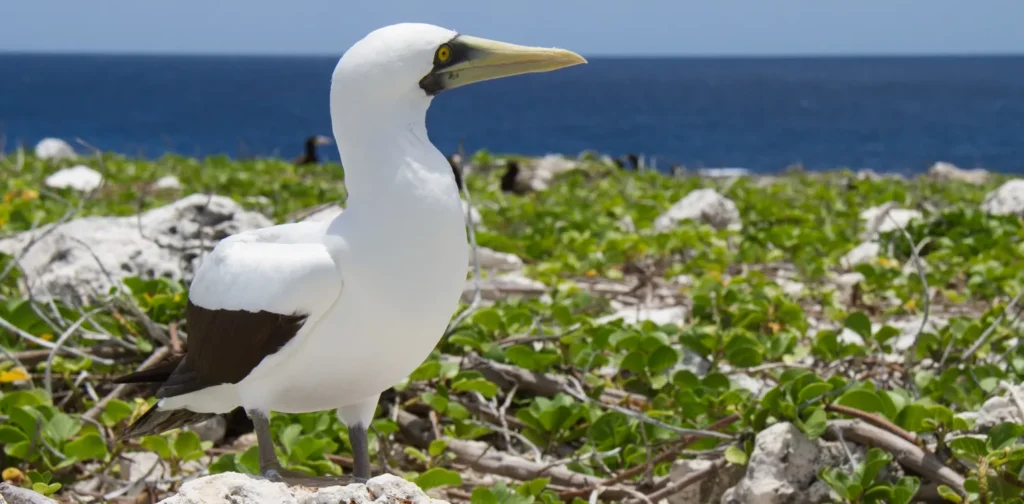 Rewilding Sombrero Island from the Brink of Ecological Collapse
Local and international conservationists aim to restore Sombrero Island by killing invasive pests and planting native vegetation.... Read More
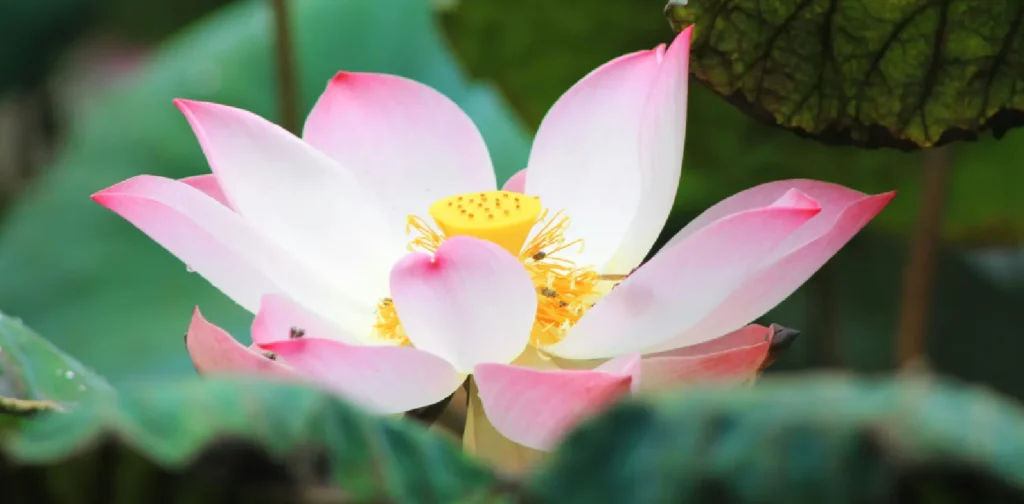 Scientists Identified 234 New Species in the Greater Mekong
Amidst the worrying rate of biodiversity loss, scientists made discoveries of 234 additional species in the Greater Mekong area.... Read More
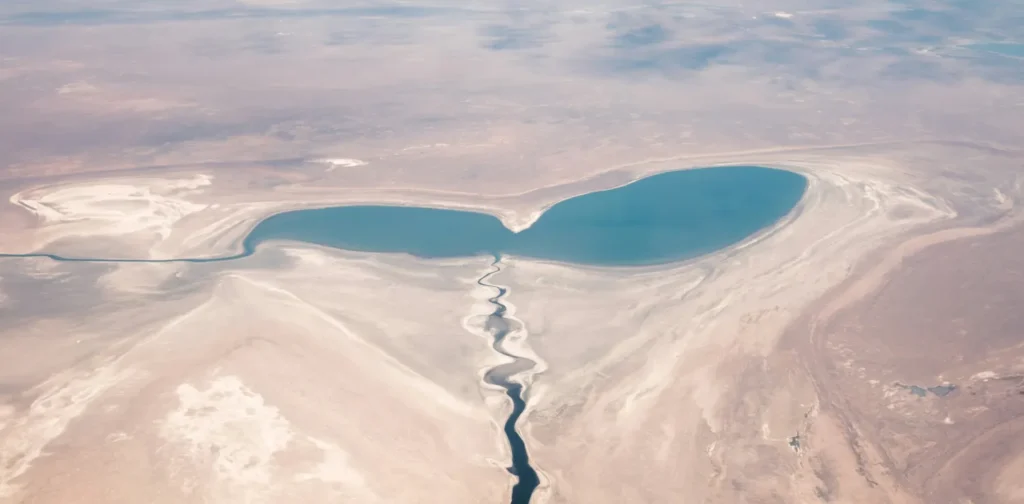 Restoring Aral Sea’s Dried-Up Ecosystem
The Aral Sea is an example of severe environmental degradation caused by overexploitation. Is restoration possible? ... Read More
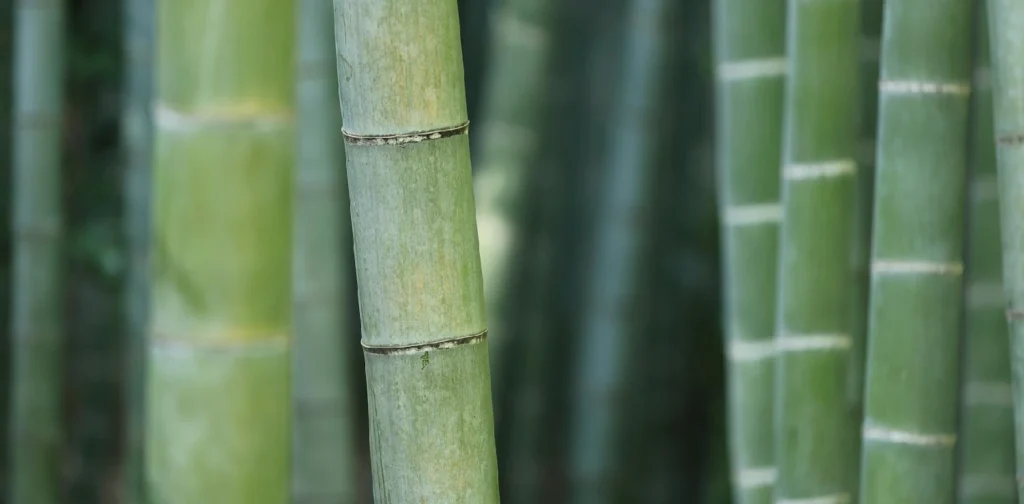 Developing Pakistan’s National Bamboo Strategy
Pakistan is developing a National Bamboo Strategy to strengthen the utilization and management of bamboo for economic, social, and environmental goals.
... Read More