

 Indonesia’s Greenwashing Diplomacy at COP31 and Beyond
Appointing someone linked to the oil and gas industry as the Special Envoy for Climate Change signals Indonesia’s greenwashing diplomacy.... Read More
SDGs Goal 16
 Building Bridges Between Environmental Policy and Mental Health
The triple planetary crisis disrupts psychological wellbeing, making it essential to include mental health factors in environmental policies.... Read More
 Addressing Antimicrobial Resistance as More Than a Medical Issue
Millions of people around the world are now resistant to antibiotics, and the roots of antimicrobial resistance lay beyond medicine.... Read More
 How Overtourism Pushes Local Communities Out of Their Own Homes
For the communities at the center of the world's most visited destinations, overtourism is driving them out of their own homes. ... Read More
 Why the World Still Doesn’t Have a Global Plastics Treaty
After 42 days of talks and four years of negotiations, the world still does not have a global plastics treaty, and the planet is running out of time.... Read More
 Challenging Interdependence and the Inequality of Imagining the Future
The interdependence of systems that move the world deepens the inequality that impacts whether one can even imagine the future.... Read More
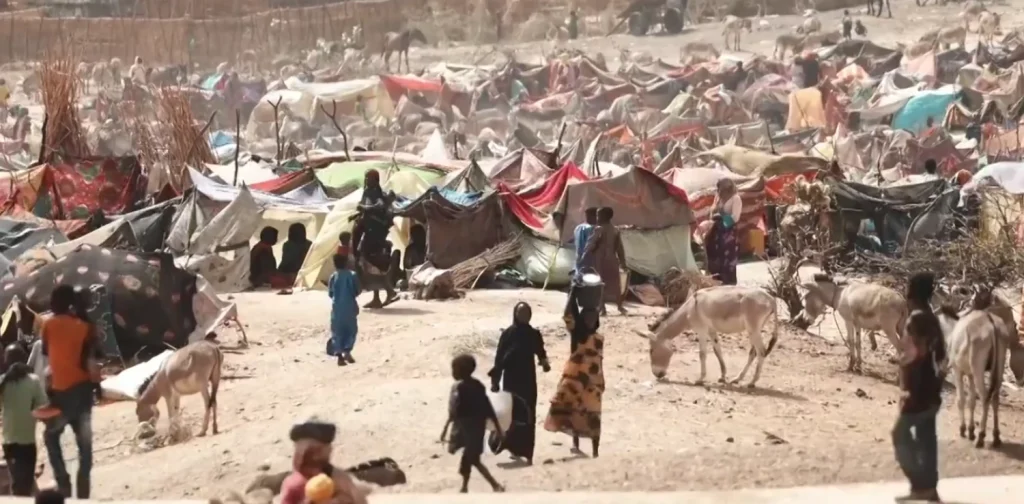 The Shrinking Safety Net: Inside the Global Collapse of Refugee Aid
Global refugee aid is shrinking just as the number of people forced to flee reaches a record high due to conflicts and climate shocks.... Read More
 Protecting the Rights of Migrant Children Through Child-Centered Policies
Governments must step up with strong legal protections and inclusive policies that protect the rights of migrant children.... Read More
 Highlighting State Responsibility Amidst the Climate Crisis Through UNGA Resolution and ICJ’s Advisory Opinion
As the climate crisis intensifies, the UN once again urged state governments to take bold, immediate action following ICJ’s Advisory Opinion.... Read More
 The Tobacco Paradox: Why the Deadliest Industry Can Still Be the Most Profitable
The tobacco paradox illustrates how the more honestly a tobacco company explains its harms, the less that honesty harms its share price.... Read More