

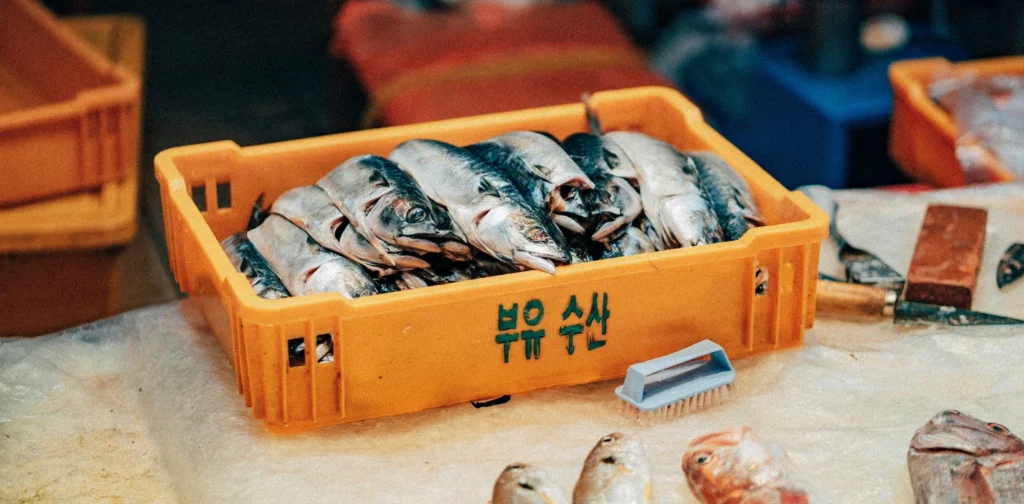
 Turning Seafood Waste into Opportunity for a Sustainable Blue Economy
The industry is finding ways to transform seafood waste into valuable products while reducing environmental pressures.... Read More
Sustainable Consumption and Production
 Maintaining Healthy Skepticism on Corporate Climate Claims
As investors, consumers, regulators, and concerned citizens, we must continue to maintain a healthy skepticism of corporate climate claims.... Read More
 Beyond Empty Promises: How Hong Kong Can Build Consumer Trust in Sustainability
People want products that align with their health, families, and values, but decades of over-promising have dulled consumer trust.... Read More
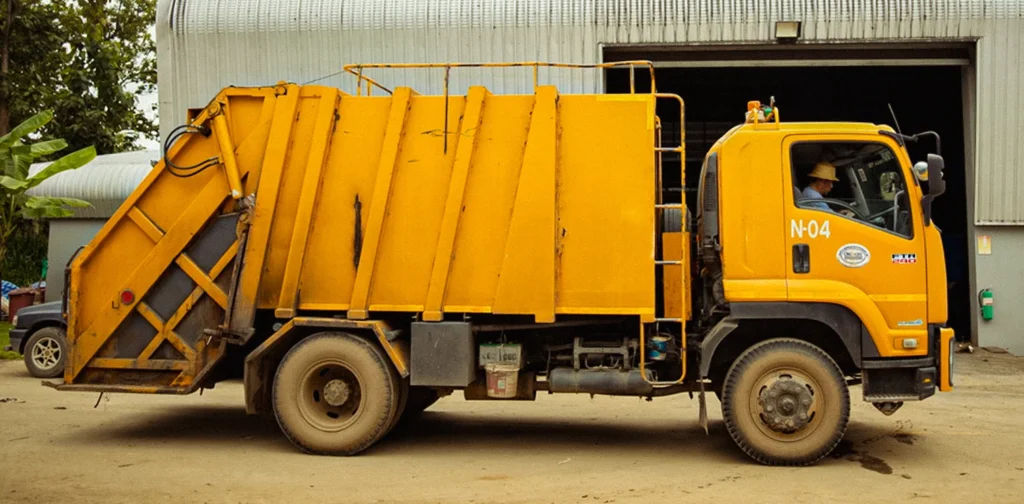 From Academia to Action: How academic institutions contribute to waste management
I’m learning about how academia can and does contribute to solving environmental issues, particularly in waste management.... Read More
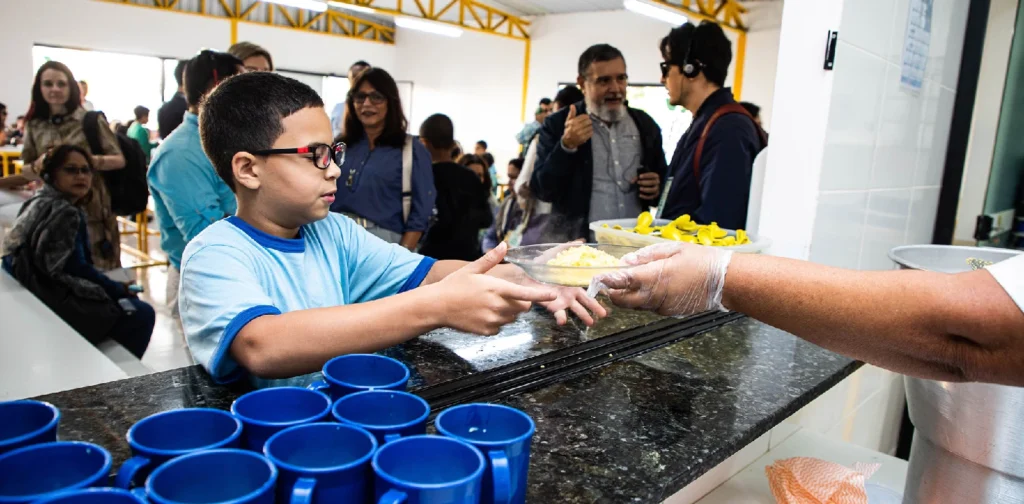 Looking into the School Feeding Programs in Latin America and the Caribbean
School feeding programs in Latin America and the Caribbean aim to evolve into national policies that support nutrition, education, and local economies.... Read More
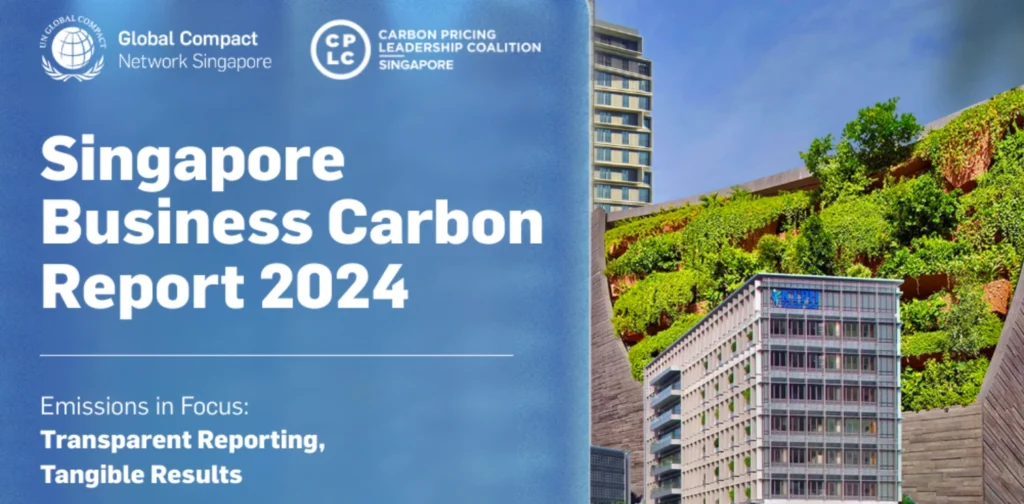 UN Global Compact Network Singapore Launches 4th Singapore Business Carbon Report
The Singapore Business Carbon Report, now in its fourth edition, provides annual insights into the state of carbon reporting in Singapore. It is developed through the LowCarbonSG programme.... Read More
 Turning the Tide on the Global Shark Fin Trade, from Our Bowl to the World
Once rulers of the seas, sharks are now reduced to commodities, destined for distant markets to supply the global shark fin trade.... Read More
 Urgent Call to Address Occupational Heat Stress to Protect Workers’ Safety and Wellbeing
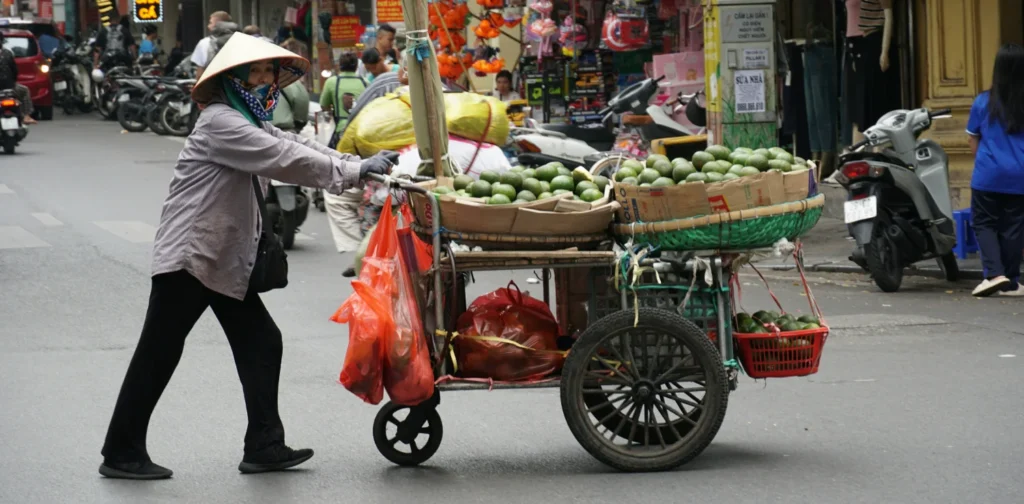
Amidst global warming, protective measures against occupational heat stress are crucial to protect workers’ health, safety, and productivity.... Read More
 Stop Funding Factory Farming in Vietnam: Pathway to Financing a Just and Sustainable Food System
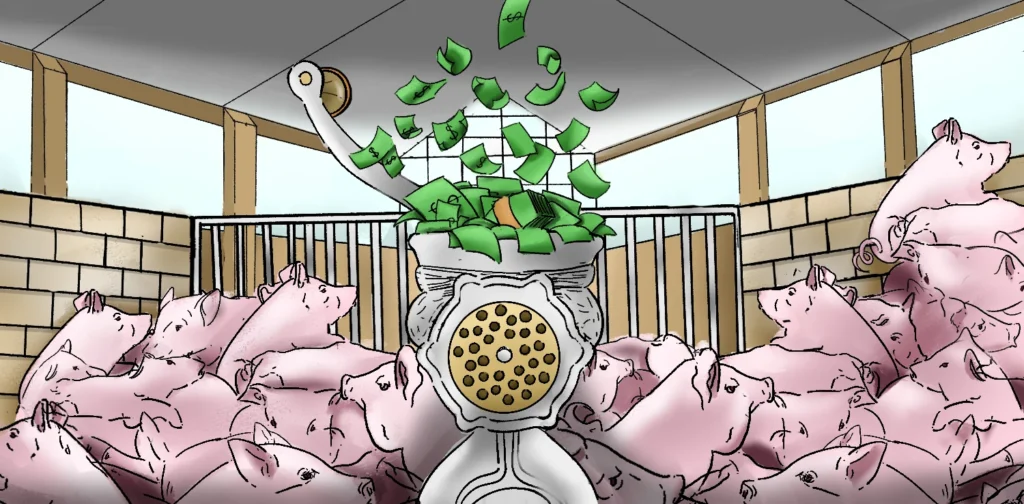
Development banks are financing factory farming, a system that harms small farmers and the environment. It's time for a change.... Read More
 When Green Turns Excessive: The Overproduction and Overconsumption of Reusables
Across Asia, the overproduction and overconsumption of reusables may overshadow their potential to cut waste and emissions.... Read More