

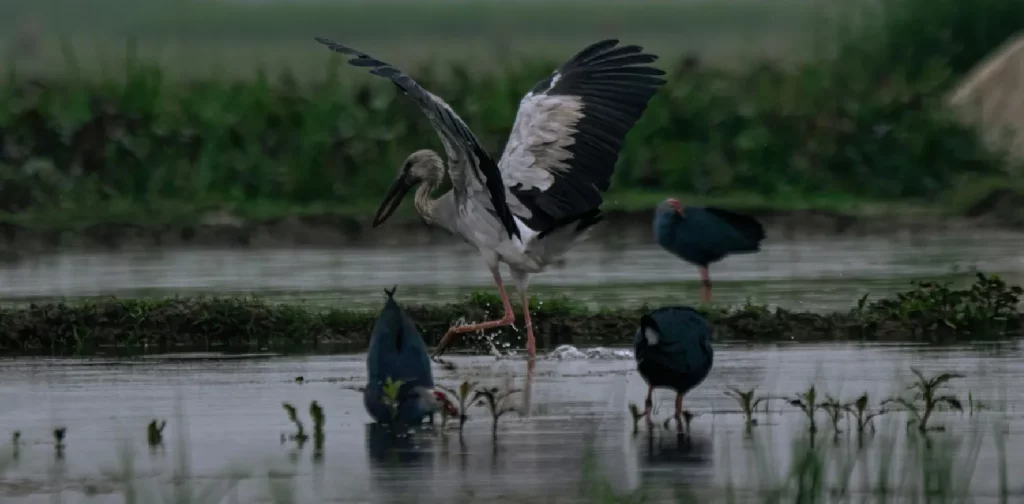
 Preserving the Role of Tropical Wetlands as a Home for Endangered Species
In light of climate change and global biodiversity loss, preserving tropical wetlands and their role as habitats for endangered species is essential.... Read More
The Latest
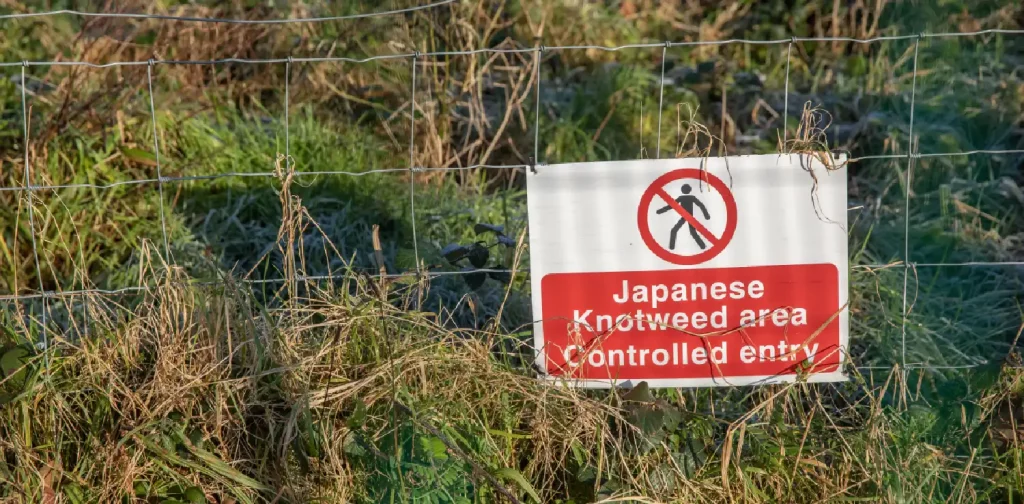 The Threat of Invasive Alien Species
An assessment report on invasive alien species explores this underestimated threat to biodiversity and ecosystems and how to navigate it.... Read More
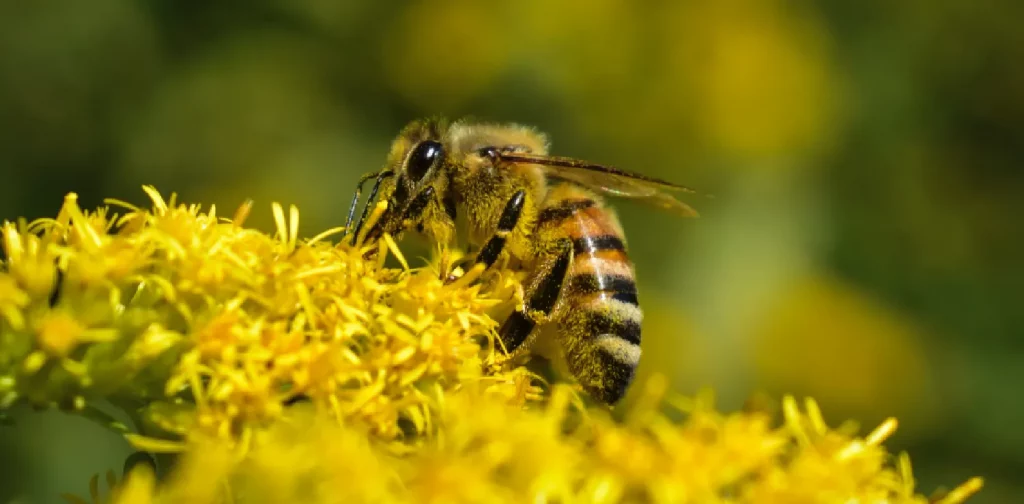 BIFA Project Helps Conserve Honey Bees in Thailand Through Research and Digitization
The Biodiversity Information Fund For Asia (BIFA) project aims to provide a database and digitization of honey bees in Thailand.... Read More
 ASEAN’s Renewable Energy Has Huge Potential but Minimum Progress
ASEAN’s renewable energy has big potential, particularly solar and wind. Despite this, only 3% of the total prospective capacity is in construction.... Read More
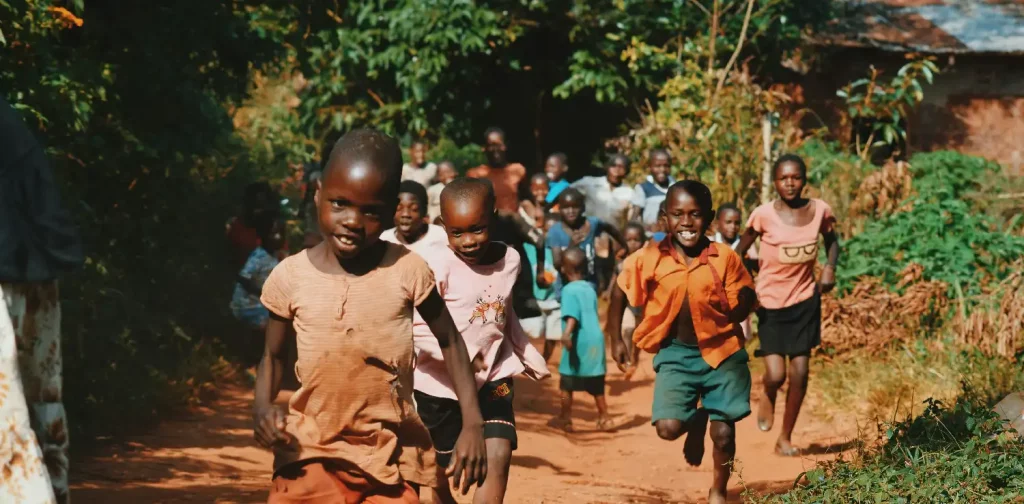 UNICEF Report Highlights Key Trends on Children’s Development
As the world changes and crises emerge, what is the current global outlook on children’s development?... Read More
 How Does Community-Based Ecological Mangrove Restoration Work?
The community-based ecological mangrove restoration (CBEMR) offers a proven, practical, and long-term solution for mangrove ecosystem restoration.... Read More
 Community Engagement at the Heart of World Bank Projects in Burundi, East Africa
In Burundi, East Africa, community engagement drives World Bank Projects on healthcare and economic safety nets.... Read More
 Improving Human Development in Asia-Pacific Through Policy
As inequality and uncertainty grows, how can policy drive the structural change needed to mainstream human development in Asia-Pacific?... Read More
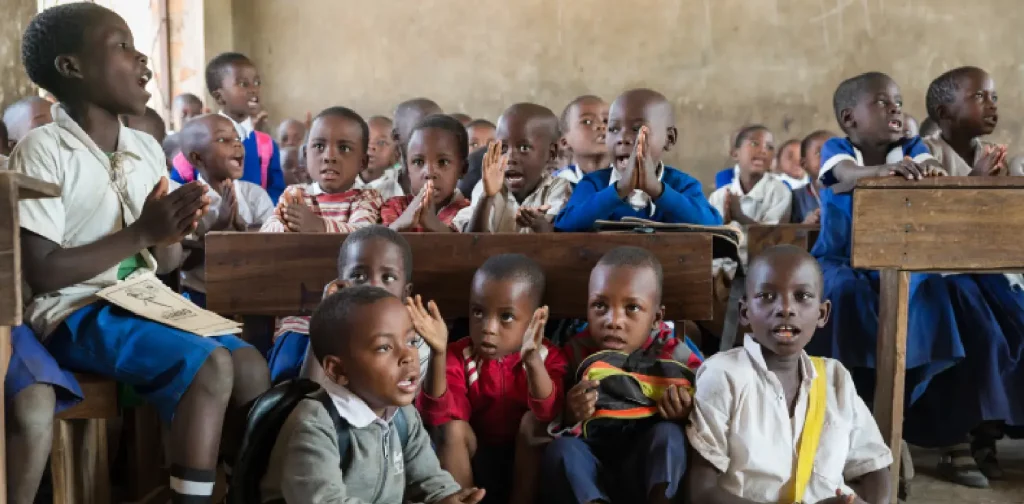 Remobilization Call for the 2030 Education Agenda
Recent UNESCO findings underscore insufficient progress in meeting the 2030 education agenda and emphasize the need for remobilization.... Read More
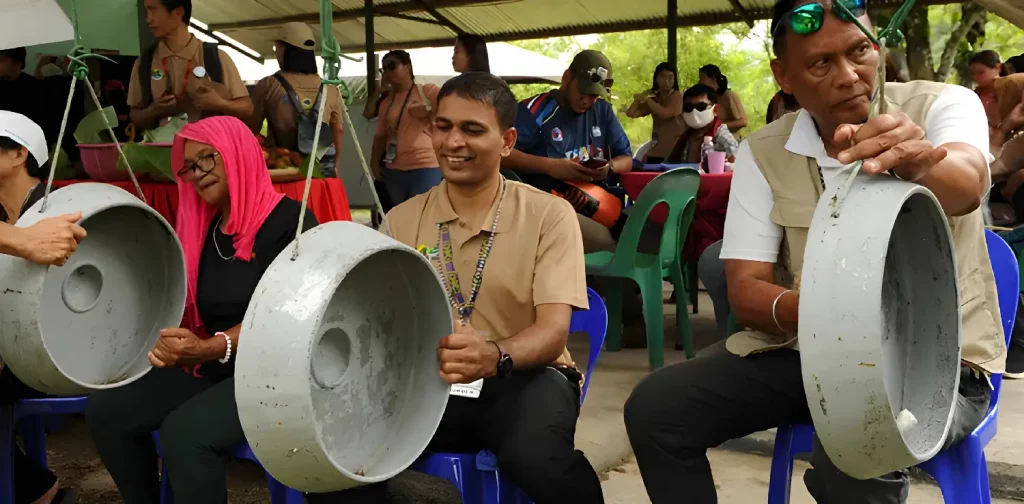 SeaBRnet Helps Foster Sustainable Biosphere Reserve Management in Southeast Asia
The network intends to develop cooperation between countries on issues surrounding ecosystem and biosphere reserve management. ... Read More