

India’s Supreme Court Declared Menstrual Health and Hygiene as Fundamental Rights
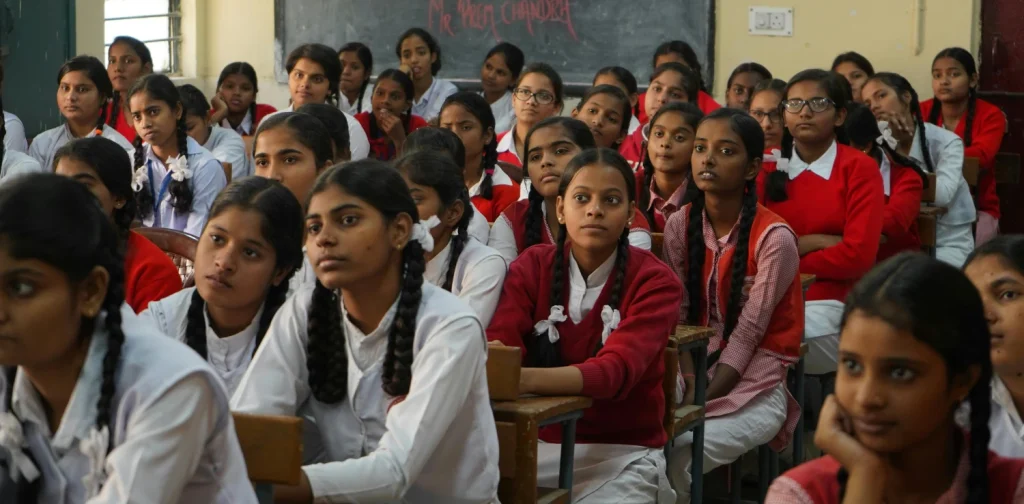
Photo: Yogendra Singh on Pexels.
Despite being a natural biological cycle, conversations surrounding menstruation are often clouded by taboos and inaccessibility. At the beginning of 2026, India’s Supreme Court ruled that menstrual health and hygiene are fundamental rights, marking an important step toward advancing women’s reproductive rights.
Persisting Challenges
Menstrual health and hygiene are an indispensable part of girls’ and women’s wellbeing. It involves information about reproductive health, access to period products, hygiene facilities, and waste management. Unfortunately, many still grapple with period poverty due to the inability to afford or access those products and/or facilities.
In India, menstruation is still not spoken about openly, although efforts have been underway to address it. A systematic review and analysis led by van Eijk in 2016 finds that only 48% of 97,070 adolescent girls in India were aware of menstruation prior to their first time.
This culture of silence is rooted in taboos, which discourage information sharing, as well as perpetuate shame and fear around it. The lack of knowledge can contribute to the underdiagnosis of menstrual disorders and lifelong health issues that could, or should, otherwise be managed.
Furthermore, the lack of hygiene facilities exacerbates the condition. A report by WHO/UNICEF on menstrual health and hygiene at school indicates persistent gaps, with 47 million students in India lacking sanitation services at their schools. This gap also includes a lack of a separate, usable girls’ toilet in schools, as well as at home.
Menstrual Health and Hygiene: Fundamental Rights
In a landmark ruling (30/1), India’s Supreme Court declared menstrual health and hygiene as a fundamental right. Against prevalent taboos and inadequate facilities, this ruling is hoped to address pervasive period poverty in the country
One notable point is the Supreme Court-issued directions to state governments, schools, and colleges to raise awareness about menstrual health and provide free sanitary pads for girls. Additionally, these directions ensure the provision of functional, gender-segregated toilets in both private and public institutions.
India has previously made several major interventions in menstrual health and hygiene. In 2011, the Ministry of Health and Family Welfare launched the Menstrual Hygiene Scheme, subsidizing sanitary pads and expanding menstrual education for girls aged 10–19.
More recently, the SHE Pad Scheme, a government-initiated program in Kerala, also installed sanitary pad vending machines and incinerators in schools. Implemented in 765 schools across the state, the effort has reduced dropout rates among seventh-grade girls by 24 percentage points.
Addressing Period Poverty
Expanding access to menstrual products has been done in other countries, such as Scotland, New Zealand, and Taiwan. This underscores the importance and feasibility of government-led interventions to address period poverty.
Systemically, advancing menstrual health and hygiene also requires integration into company policies and school frameworks. Destigmatizing menstruation begins with awareness and inclusivity that translate into actions and collaborations among stakeholders.
Editor: Nazalea Kusuma
Co-create positive impact for people and the planet.
Amidst today’s increasingly complex global challenges, equipping yourself, team, and communities with interdisciplinary and cross-sectoral insights on sustainability-related issues and sustainable development is no longer optional — it is a strategic necessity to stay ahead and stay relevant.
 Indonesia’s Greenwashing Diplomacy at COP31 and Beyond
  The Textile Industry Is Growing, and So Is Textile Wastewater
  EESG: We Need a New Economic Narrative for Sustainability in the Age of AI, Energy Crisis, and Geopolitical Divide
  The Continued Struggle for Equality and Dignity in Women’s Sportswear
  Behavior Change for the Planet: Is composting worth it?
  Building Bridges Between Environmental Policy and Mental Health