

Ensuring Access to Justice for Women and Girls
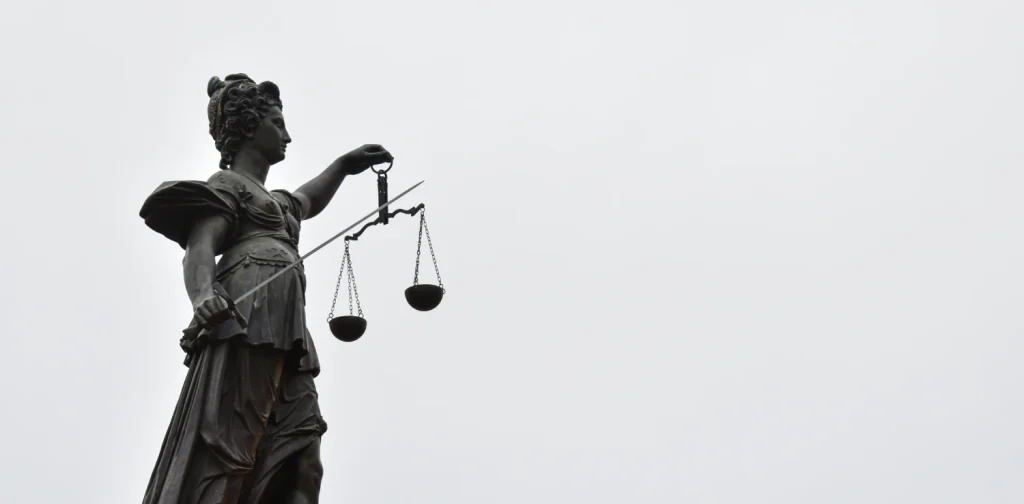
Photo: Gaétan Marceau Caron on Unsplash.
Humans are entitled to equal protection under the law, regardless of our identities. As the world faces a polycrisis, from rising geopolitical tensions to climate change, ensuring equal access to justice is imperative, particularly for women and girls.
Gender-based Threats
The pursuit of justice is central to sustainable development. Access to justice is a central factor in upholding accountability and fairness under the law, and it is a key driver to achieving equality for all. As such, it is among the rights enshrined in international law and national legislation globally.
Despite this supposed guarantee, women and girls still face barriers to justice. Women have been striving for equality across aspects of life for centuries. Despite notable progress, there is still a long way to go. On top of that, the current landscape of the world heightens existing risks and brings emerging threats for them.
For instance, gender-based harm is still prevalent. A report by the UN Office on Drugs and Crime states that more than 81% of femicides are perpetrated by men, most of whom are an intimate partner or family member. In the online sphere, women and girls are also dealing with cyber harassment, which is now even increasingly facilitated by artificial intelligence and other digital tools.
Additionally, rising geopolitical tensions in the last few years have led to the displacement of millions of people. In 2024, around 676 million women and girls were living within 50 kilometres of a deadly conflict, intensifying their vulnerability to violence and harm.
Two Diverging Paths
Unfortunately, these evolving issues are not matched by growth in justice mechanisms. A report by the UN Secretary-General, “Ensuring and Strengthening Access to Justice for All Women and Girls”, highlights how these two aspects grow in parallel, but do not converge. Meanwhile, their intersection is what enables justice.
The report cites several obstacles. For once, prevailing discriminatory legal frameworks have resulted in women having only 64% of the legal rights of men globally. This stems from deeply entrenched societal norms that influence who can have access to justice and how.
For example, enforcement of laws prohibiting genital mutilation remains constrained, particularly where such practices still receive social support. Assessment by the UN Women shows that child marriage is still legal in 72% of countries under certain circumstances. Meanwhile, around 54% countries globally still lack consent-based legal definitions of rape, despite the crime being a long-standing issue.
Discriminatory frameworks also exist broadly across the job landscape. UN Women assessment further reveals that 44% of countries lack legislation mandating equal remuneration for work of equal value, perpetuating gender pay gaps. Additionally, women are less likely to have legal documents proving land ownership, highlighting their lack of access to land rights.
In the context of conflicts, access to justice for women and girls becomes even more constricted or deeply politicized. The UN has documented that conflict-related sexual violence violations have increased by 87% between 2022 and 2024. This signifies the urgency for the global justice system to rise and meet the challenges on the ground, especially as women and girls often experience overlapping threats.
Access to Justice for Women and Girls
Carving out a convergence between justice needs and justice mechanisms requires a whole-of-society approach grounded in real evidence. At its core, this intersection is about enabling equal access to justice, including information and legal protection, so that women and girls are well-equipped to exercise their agency and make informed decisions in their lives.
A recognition of this access gap is a crucial departure point. Then, institutional changes within the justice system can progress by actively involving women in the lawmaking process. This includes encouraging active co-creation of legal frameworks between governments and women’s organizations, as well as supporting women’s leadership in the legal landscape to eliminate gender bias in institutions and within laws. Ultimately, strengthening access to justice for women and girls is key to unlocking meaningful progress for equality, empowerment, and a better life for all.
Editor: Nazalea Kusuma
Co-create positive impact for people and the planet.
Amidst today’s increasingly complex global challenges, equipping yourself, team, and communities with interdisciplinary and cross-sectoral insights on sustainability-related issues and sustainable development is no longer optional — it is a strategic necessity to stay ahead and stay relevant.
 Whimsymaxxing and Beyond: Rethinking the Waste Behind Viral Trends
 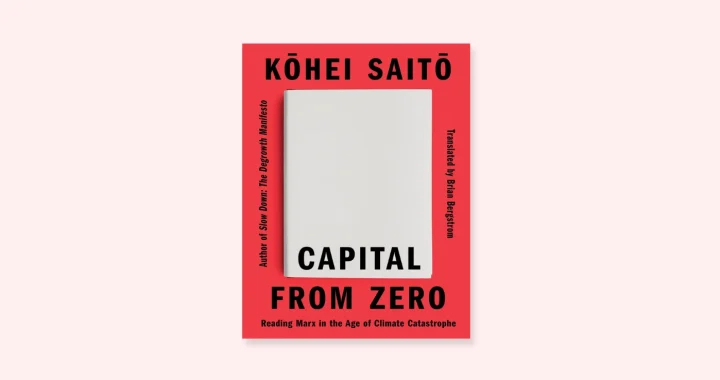 Seeking Guidance from Karl Marx to Face the Climate Catastrophe
  Indonesia’s Greenwashing Diplomacy at COP31 and Beyond
 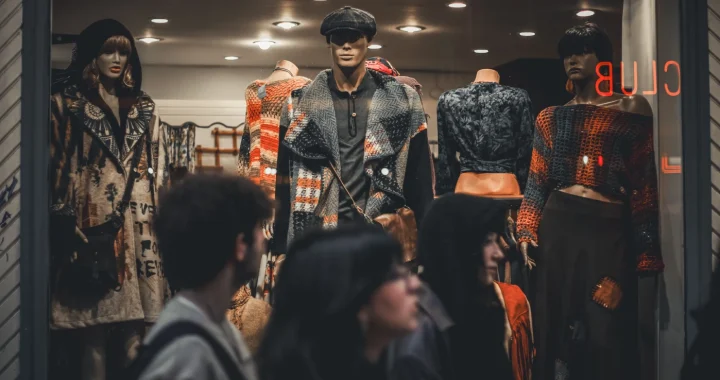 The Textile Industry Is Growing, and So Is Textile Wastewater
  EESG: We Need a New Economic Narrative for Sustainability in the Age of AI, Energy Crisis, and Geopolitical Divide
  The Continued Struggle for Equality and Dignity in Women’s Sportswear