

Will the EU Ban on Destroying Unsold Clothes Reduce Textile Waste?
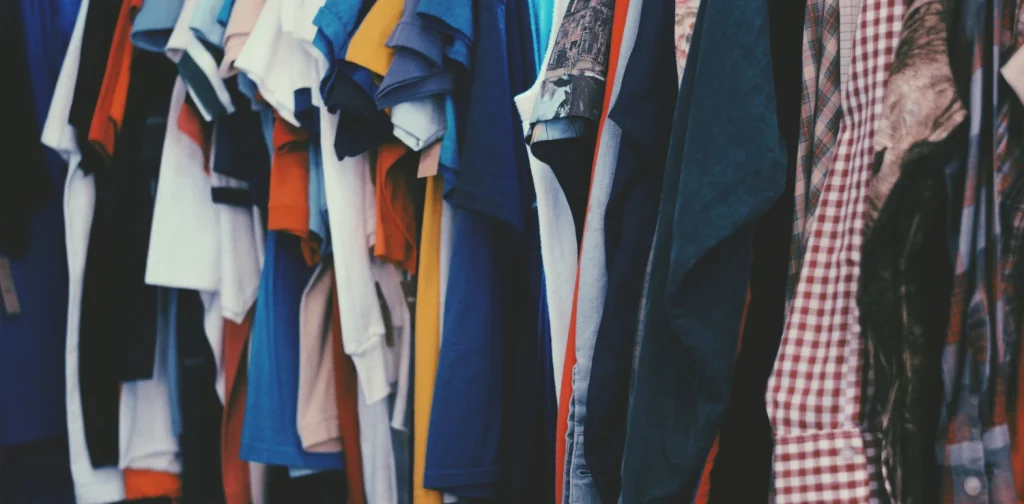
Photo: Nick de Partee on Unsplash.
Today, the fashion industry is largely driven by fast-changing trends that make people tend to buy more but wear each item less. As a result, textile waste is growing rapidly each year. In an effort to address this problem, the European Union has set a new measure to ban the destruction of unsold clothes and footwear.
The Growing Problems of Europe’s Textile Waste
In 2024, around 120 million metric tons of clothing were reported to be discarded globally. However, only 20% of that volume was collected, and less than 1% was made into new textiles.
Europe is not an exception. In 2020, country members of the European Union are estimated to generate a total of 6.95 million tonnes of textile waste, or around 16 kg per person. Most of them (80% or 11.6kg) ended up in mixed household waste, while only 4.4 kg were collected separately for reuse and recycling.
The EU also notes that around 4-9% of unsold textiles circulated in Europe are destroyed before ever being worn. This waste equals around 5.6 million tons of carbon emissions. Moreover, Europe also exports their textile waste to Africa and Asia. In 2019 alone, Europe exported almost 1.7 million tonnes of used textiles with no measure of what happened after.
EU Ban on Destroying Unsold Clothes
To address its growing textile waste problem, the EU has set several measures through the Ecodesign for Sustainable Products Regulation (ESPR), which came into force in July 2024.
The ESPR covers sustainability requirements for general or specific physical goods on the EU market, except food and medicinal products. These requirements will impact the products’ durability, reusability, reparability, recyclability, and life cycle environmental impacts.
In February 2026, the European Commission adopted new measures under ESPR by prohibiting the destruction of unsold clothing and footwear. This new regulation aims to reduce textile waste and its environmental damage. This ban will apply to large companies from July 19, 2026, and medium-sized companies are expected to follow by 2030.
It also introduces a standardized format for businesses to disclose the volumes of unsold goods they discard, applicable from February 2027. This regulation is intended to encourage companies to manage their stock more effectively and explore alternatives such as resale, reuse, remanufacturing, or even donation.
Strengthening Framework Toward Sustainable Fashion Industry
While the new regulation has great potential to help reduce textile waste, criticisms arise over its many loopholes. The measure outlines circumstances in which business operators are justified in destroying unsold clothing or footwear. For example, the health, hygiene, and safety reasons still need further clarification with a more precise and strict definition. The justified derogation of products that cannot be repaired cost-effectively might instead incentivize destruction over repair, particularly of low-value fast-fashion products—whose practice is actually part of the problem. Meanwhile, justification based on infringement of property rights could potentially allow the destruction of products that are, in principle, fit for use.
Therefore, closing these loopholes is imperative to prevent the ban from being a greenwashing attempt. At the very least, there needs to be adequate mechanisms with assessment, technical tests, and evaluations to prevent economic operators from taking advantage of these loopholes.
Furthermore, moving towards a sustainable fashion industry would require a holistic approach in every stage of the value chain. Businesses should use resources more effectively, reducing and managing the use of chemicals that become waste, and shift to renewable sources of energy and materials. Production should also be optimized to produce items that can last longer and can be easily repaired and recycled. At the systemic level, there is a need for policies that shape better waste management systems and infrastructure, as well as transparency and traceability in the textile supply chain.
Editor: Nazalea Kusuma

Co-create positive impact for people and the planet.
Amidst today’s increasingly complex global challenges, equipping yourself, team, and communities with interdisciplinary and cross-sectoral insights on sustainability-related issues and sustainable development is no longer optional — it is a strategic necessity to stay ahead and stay relevant.
 Addressing the Hidden Risk of Microplastics from Offshore Infrastructures
  Addressing Antimicrobial Resistance as More Than a Medical Issue
  Holding Harmful Industries Liable for Harm to Human Life and the Environment
  Clearing the Air of Despair Surrounding the Climate Crisis with Data
  How Do Wild Animals Survive Wildfires?
  How Losing Sleep Is a Climate and Equality Issue