

Whimsymaxxing and Beyond: Rethinking the Waste Behind Viral Trends
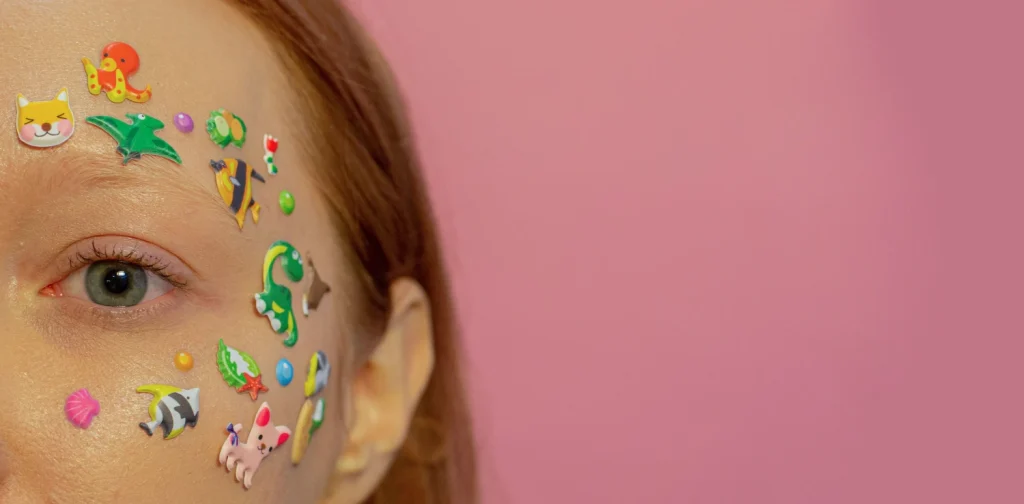
Photo: Monstera Production on Pexels.
Social media trends continue to influence how people dress, decorate, and express themselves. One example is whimsymaxxing, which embraces colorful and playful accessories. Yet, its reliance on some plastic-based products raises questions about the rapid rise and fall of viral trends that highlights broader challenges surrounding overconsumption and waste.
The Rise of Whimsymaxxing
Whimsymaxxing is an internet-born trend that encourages people to bring more playfulness into everyday life. According to British Vogue, the term first appeared online in 2025 and gained wider attention in 2026 as a response to minimalist aesthetics and self-optimization culture. It instead claimed to embrace creativity, nostalgia, and personal expression. The trend has since spread across social media, with creators and brands sharing playful ways to decorate everyday belongings.
One popular practice associated with whimsymaxxing is bedazzling everyday objects with gem stickers or dangling charms to personalize them. People put them on things like bags and phone cases to disposable cups and face masks. The more, the better.
Adding into the Pile
These decorations are usually made of plastic materials. As they become popular, rise concerns about overconsumption and waste, particularly when they are used only briefly. Despite their small size, plastic-based decorations can have lasting environmental impacts. Discarded decorations become a somewhat new entry into plastic waste generation, especially when put on disposable items. Moreover, rhinestones, glitters, and gem stickers made from plastic can loosen or detach from everyday objects, leaving small pieces that are difficult to collect and recycle.
When these fragments enter waterways, they break down into microplastics. Then, they may be ingested by aquatic animals, potentially causing internal injuries and digestive blockages, as explained by the NOAA. These microplastics may also enter human bodies eventually through the food we eat. The challenge is particularly evident in Southeast and East Asia, where only 12% of the 113 million tonnes of plastic waste generated in 2022 was effectively recycled.
A Broader Issue
The environmental concerns are real. However, criticism of whimsymaxxing in particular also raises questions about how society perceives feminine-coded interests. The scrutiny over creating small joys amid the skyrocketing cost-of-living may seem like overkill. A study highlights how interests traditionally associated with women, including fashion and beauty, have often been devalued because of its association with femininity. So, while concerns about plastic waste and overconsumption remain valid, some of the backlash against the trend may also reflect broader biases against feminine self-expression.
The real issue actually lies beyond whimsymaxxing. Although plastic decorations associated with these trends can contribute to waste, they represent only one small part of the broader unsustainable consumption and production. It is not about making or buying decorative items; it is about discarding them as the next trend comes along.
The rapid spread of viral trends contribute to overconsumption, encouraging purchases of things we may already own but in slightly different styles that fit into the current trendy aesthetics. Furthermore, social media algorithms and brands can accelerate the commercialization of microtrends, creating continuous demand for new products. As a new microtrend arrives, items purchased to follow a particular aesthetic may lose their appeal long before the end of their useful life.
Making Creativity Last Beyond the Trend
Trends have always been a thing, but the unsustainable pattern of production and consumption must change. Businesses and designers can become a part of the solution in reducing waste from trend-driven products by prioritizing durable materials, reusable accessories, and designs that are easier to redress, repair, or recycle.
For individual enjoyers, refocusing on the spirit of creativity at the core of whimsymaxxing can lead to more sustainable consumption. Instead of constantly purchasing new decorations, people can personalize existing belongings through upcycling, reusing old accessories, or creating their own designs. A study found that product creativity can strengthen emotional attachment and increase how long consumers intend to use an item. This suggests that personal expression may also encourage people to value and keep their belongings longer.
By extending the use of existing products and supporting more responsible design and production, producers and consumers alike can help reduce the environmental impacts of trend-driven consumption. After all, creativity should remain a form of self-expression in our everyday life even after a trend loses its popularity.
Editor: Nazalea Kusuma

Co-create positive impact for people and the planet.
Amidst today’s increasingly complex global challenges, equipping yourself, team, and communities with interdisciplinary and cross-sectoral insights on sustainability-related issues and sustainable development is no longer optional — it is a strategic necessity to stay ahead and stay relevant.
 Seeking Guidance from Karl Marx to Face the Climate Catastrophe
 Indonesia’s Greenwashing Diplomacy at COP31 and Beyond
 The Textile Industry Is Growing, and So Is Textile Wastewater
 EESG: We Need a New Economic Narrative for Sustainability in the Age of AI, Energy Crisis, and Geopolitical Divide
 The Continued Struggle for Equality and Dignity in Women’s Sportswear
 Behavior Change for the Planet: Is composting worth it?