

Exploring Representation in Art and the Creative Industry
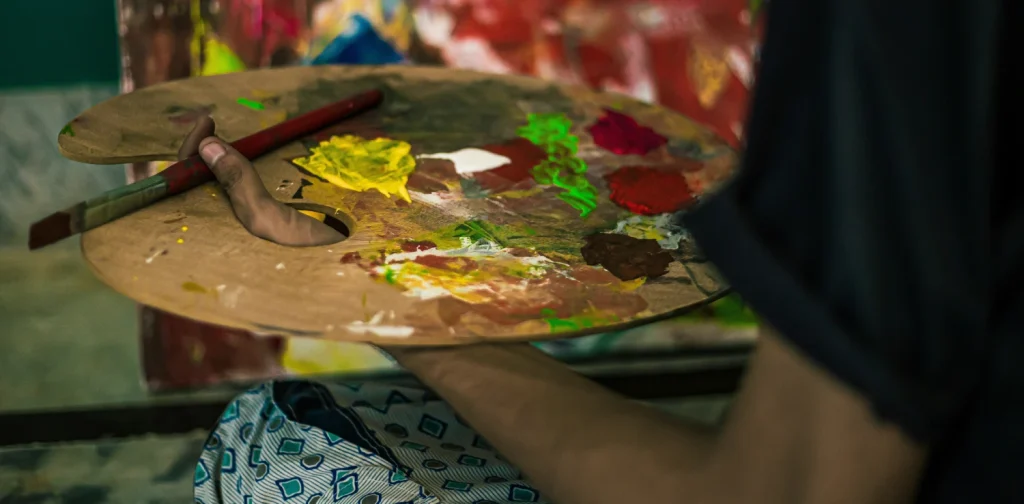
Photo: Ahmed Raza Kz on Unsplash.
Following technological development and political progress, the production of art also becomes more advanced. As a communication tool, arts often contain the artists’ cultural background, values, and way of thinking. Thus, the need for representation in art goes beyond the art itself, encompassing creative minds and the workforce behind the products.
Representation in Art
The world is made up of individuals with various socioeconomic backgrounds and identities: races, genders, ethnicities, sexual orientations, people of all abilities, and many others. Historically and currently, some groups of people experience struggles more than that of their counterparts due to discrimination and systemic oppression. The creative minds from those marginalized communities then attempt to communicate their experiences through visual art, storytelling, and other works.
On the other hand, artists from minority groups, especially people of colors, often bear the burden of representation. Research shows that such an expectation placed in minorities’ arts is widespread throughout numerous forms of media, including cinema, visual arts, theater, and classical music. While representation in art is far from the sole purpose of artists from diverse communities, this phenomenon is not without reason. Due to marginalized groups’ exclusion from societies, the arts they create possess a unique role to empower their community.
Empowerment Through Representations
The use of art to empower people has been going on for years. In the 1920s, the government of Mexico commissioned artists to start a movement called Mexican Muralism to educate the population about the Mexican Revolution through public murals. In the 1960s, the Black Arts Movement influenced many black artists to create music, literature, drama, and visual arts focused on the civil rights movement and the African-American culture. Many prominent black artists were affiliated with this movement, namely Audre Lorde, James Baldwin, Nikki Giovanni, and Maya Angelou.
Representation in art is growing even more abundant following the rising demands from the audiences. One example is Moonlight, a 2016 film by Barry Jenkins, a black American filmmaker. It portrays three stages of a queer black man’s life, touching on the issues of class, sexuality, and masculinity. The film won the 89th Academy Awards in the Best Picture category.
Representation is also present in children’s literature. Authors like Elle McNicoll and Lizzie Huxley-Jones have written multiple books that explore the themes of disability and neurodiversity. Even then, Cat Mitchell, a lecturer at the University of Derby, says that “representations” can still perpetuate detrimental narratives. An example is when a character with disability dying tragically or recovering miraculously, as opposed to living with complexities like other characters without disabilities.
Challenges in the Creative Industry
However, representation in art is not as simple as writing a character into a story. Without proper research, the depictions of a particular culture, especially by artists from different backgrounds, might fuel the existing harmful stereotypes. Meanwhile, white male artists remain the biggest contributors to the creative industry. There have been many instances where white male directors make movies about the struggle of people of color, like Paul Thomas Anderson with One Battle After Another, which has been receiving a fair share of criticism.
The case above aligns with a survey that shows the domination of white males in four creative domains: contemporary art (54% of 2092 data set), fashion (42% of 866 data set), film (60% of 1569 data set), and music (41% of 220 data set). Beyond representation in the fictional setting, representation in the creative industry also matters.
According to University of California Los Angeles (UCLA)’s 2025 Hollywood Diversity Report, Black, Indigenous, and People of Color (BIPOC), women, and
actors with disabilities remain underrepresented in the creative industry. The increased demands for inclusive and representative arts is apparently disproportionate to the equality of opportunity for jobs for minority groups. This is even more apparent in the contemporary art industry where the current age’s intense competition and lack of market exacerbate disparity to its workforce.
Even when artists from marginalized communities manage to get into the industry, they are prone to experience discrimination. A report of surveys reveal that 51% of respondents admitted to having faced bullying and harassment based on their social class or perceived social class. Additionally, women in the creative industry remain within the more vulnerable spectrum due to power imbalance and impunity of men in the industry.
The Path to Diversity, Equality, and Inclusion
For meaningful representation in art, companies in the creative industries should pay as much attention to the workforce condition as their cultural products. They should reexamine their diversity, equity, and inclusion (DEI) frameworks, eliminate any discriminatory regulations, and diminish prejudices against minority talents during the recruitment process.
The more artists from marginalized communities could access the creative industry, the more diverse the outcomes are. However, this should also be followed by fair wages, equal treatment, and social service provision to the creative workers so that diversity becomes more than a mere business tool without real actions to address structural issues.
To prevent or tackle the companies’ failure to fulfill workers’ rights, it might be imperative for creative workers to join trade unions. Through a collective movement, workers would have a more equal bargaining position as those of corporations. In 2023, for instance, the Screen Actors Guild–American Federation of Television and Radio Artists (SAG-AFTRA) labor union successfully pressured Hollywood studios to improve working conditions and limit the usage of artificial intelligence after nearly four months of strikes.
As for audiences who wish to see more representations in art, there are a lot of artists outside of your own orEnglish-speaking countries that are worth exploring. Promoting artists from different countries will boost the public’s engagement with their works, giving their stories a bigger stage and themselves more acknowledgement on a global scale.
While this article mainly explores the overview of representation in art and the creative industry in Hollywood and other western media landscapes, the intersectionality of representation from worldwide beyond that scope and within the marginalized communities itself cannot be overlooked. By broadening our artistic insight, we get to learn about arts from all around the world while simultaneously supporting diverse artists. After all, the growth and development of societies must be something that leaves no one behind.
Editor: Nazalea Kusuma
Co-create positive impact for people and the planet.
Amidst today’s increasingly complex global challenges, equipping yourself, team, and communities with interdisciplinary and cross-sectoral insights on sustainability-related issues and sustainable development is no longer optional — it is a strategic necessity to stay ahead and stay relevant.
 Noise Pollution Is Making Us Sick, and Climate Change Is Making It Worse
  Beyond Fashion: The Environmental Cost Behind Animal Leather
  Addressing the Hidden Risk of Microplastics from Offshore Infrastructures
  Addressing Antimicrobial Resistance as More Than a Medical Issue
  Holding Harmful Industries Liable for Harm to Human Life and the Environment
  Clearing the Air of Despair Surrounding the Climate Crisis with Data