

How Urban Tree Loss May Affect Education Results
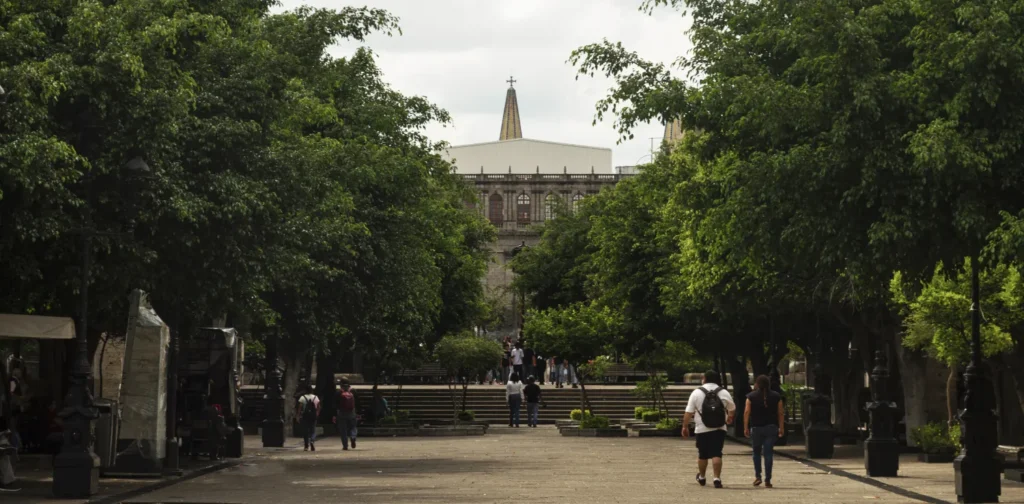
Photo by Freepik
The role of urban trees and green spaces goes beyond just aesthetics; they are vital for community wellbeing. However, some urban areas don’t have enough trees, which may lead to multiple negative impacts. A study found a link between urban tree loss and its impact on students’ education outcomes.
A Support for Urban Life
Urban trees have benefits in improving the quality of life in cities. They help improve air quality by trapping pollutants on their leaves and absorbing them through tiny pores, filtering the air we breathe. Trees also provide shade and reduce heat caused by urban activities by releasing water vapor from the soil and cooling down streets and buildings. This is especially important as heatwaves become more frequent in cities due to climate change.
Additionally, urban trees offer psychological and physical health benefits, such as reducing stress. A study found that every 10 extra trees on a city block were linked to a 1% increase in residents’ health perceptions.
The WHO also recommends that communities should easily access public green space within a 5-10 minute walk from their homes. Unfortunately, many areas in Asia still lack access to green spaces or urban trees due to poor urban planning and high population density, and the impact is often greater in low-income areas.
Urban Tree Loss and School Performance Link
Urban tree loss can have unexpected negative impacts. Researchers from the University of Utah explained the link between the lack of urban trees and student performance in schools, showing a decline in student performance during periods of reduced urban tree populations caused by an invasive pest infestation.
The study tracked student performance in standardized tests from grades 3 to 8 in the Chicago area between 2003 and 2012, during which half of the urban trees were lost to invasive beetles.
In those areas, the study revealed a 1.22% decrease in students who passed the state’s testing benchmarks. It found that schools in low-income neighborhoods were less affected, as they had fewer trees. However, low-income students at wealthier schools, where infestations were more common, suffered more from the pest-affected urban tree loss.
Another study found that neighborhoods with fewer trees near schools had lower test scores. In contrast, schools with more tree cover saw fewer students having below passing grades in subjects like math and language arts.
Promoting Urban Trees for a Healthier Environment
The consequences of urban tree loss can have cascading and widespread impacts on human life, from poor air quality to poor education performance. Recognizing its importance to the wellbeing of surrounding communities is the first step in ensuring equal access to urban green spaces for all groups.
Furthermore, the government should expand green infrastructure and plant more native trees in vulnerable areas, especially in low-income neighborhoods. Green spaces are essential parts of the urban planning process to create better learning spaces and promote a healthier environment for all.

Dinda Rahmania
Dinda is an Assistant of International Partnerships at Green Network Asia. She holds a bachelor’s degree in International Relations from President University. As part of the GNA In-House Team, she supports the organization’s partnerships with international organizations, governments, businesses, and civil society worldwide through digital publications, events, capacity building, and research.
 The Widespread Impacts of Severe Drought in Somalia
  Ensuring Access to Justice for Women and Girls
  The Invisible Infrastructure: What ASEAN’s Carbon Market Needs Most
  Indonesia Ruled to Recognize Chronic Illness as a Disability
  Clean Cooking as a Developmental Multiplier in Africa
  Congo Basin Peatlands Are Releasing Ancient Carbon