

Pathway to Sustainable Tourism in Southeast Asia
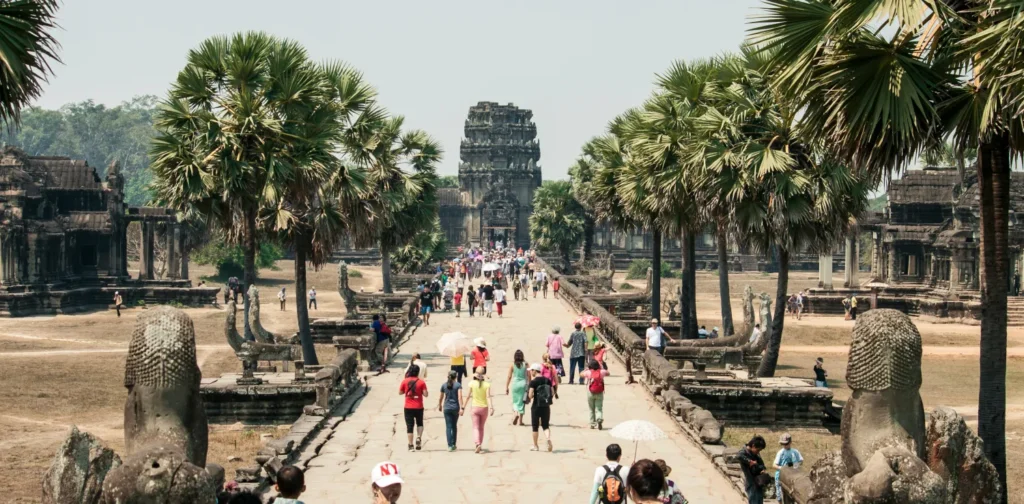
Photo by Milada Vigerova on Unsplash
Southeast Asia is famous for its lively tourism, attracting millions of visitors each year with its rich history, stunning landscapes, and delicious cuisine.. However, a thriving tourism sector is not without its drawbacks. To ensure tourism benefits without harm, ASEAN has developed a roadmap for sustainable tourism in the region.
Duality of Tourism
Southeast Asia’s tourism plays a crucial role in the region’s economy, drawing over 96 million foreign visitors in 2023 and generating $306 billion. However, a strong tourism industry comes with its own set of challenges that need to be addressed to ensure sustainability. Among them is overtourism which may overwhelm local infrastructure and harm the natural environment.
A notable case is Boracay Island, which saw 160% increase in visitors but then temporarily closed for environmental rehabilitation due to inadequate sewage and waste management systems. Similarly, Bali’s overtourism leads to overcrowding, skyrocketing cost-of-living, water shortages, traffic issues, waste buildup, and reckless land use change.
ASEAN Roadmap to Sustainable Tourism
To address current and future challenges in tourism, ASEAN (Association of Southeast Asian Nations) has created an official roadmap titled “Action Roadmap for Sustainable Tourism Development in ASEAN”.
This roadmap helps member countries develop a resilient and sustainable tourism industry for the long term. It outlines priorities based on consultations with member countries, sets strategic goals, and specifies actions to support these objectives.
Among key areas noted in the document are sustainable economic growth, social inclusiveness, resource efficiency and environmental sustainability, cultural diversity and heritage protection, and resilience planning and adaptation.
At the policy and planning level, the guideline highlights the importance of strengthening regulations and close monitoring of tourist destinations’ environments. It also calls for investing in infrastructure that is resource-efficient and low-carbon mobility, such as the use of renewable energy sources and electric vehicles.
Furthermore, the document emphasizes community engagement by identifying skill gaps and providing upskilling opportunities while protecting workers’ rights for local communities and MSMEs. It also mentions the need to prioritize culture and heritage protection in the region.
Toward Sustainability and Resilience
Ensuring sustainability in the economy is a balance of economic growth, careful resource management, environmental preservation, and social equity and inclusivity. This rings true for sustainable tourism as well. To achieve this, the Action Roadmap recommends several key actions that include reviewing and updating sustainable tourism strategies from the local to the national level.
Additionally, resilience and adaptation planning are essential. Establishing a task force, investing in resilient infrastructure, conducting risk assessments to prepare for crises or disasters, and developing an emergency plan are crucial steps. All in all, the road to a resilient and sustainable tourism in Southeast Asia is not easy, but possible. In practice, this requires all stakeholders, especially local communities, to work together and realize a better tourism industry for people and the planet.
Editor: Nazalea Kusuma

Dinda Rahmania
Dinda Rahmania is an Assistant of International Partnerships at Green Network Asia. She holds a bachelor’s degree in International Relations from President University. As part of the GNA In-House Team, she supports the organization’s partnerships with international organizations, governments, businesses, and civil society worldwide through digital publications, events, capacity building, and research.
 The Truth Behind Space Debris and the Urgency for Space Governance and Accountability
  Non-Economic Loss and Damage: Making sense of our intangible loss in a changing climate
  Unpacking SBTi’s Corporate Net-Zero Standard V2.0: Balancing Science and Business Realities
  Farmer Loneliness, the Overlooked Mental Health Crisis Within the Food System
  Conservation Paradox: Managing the Overabundance of Endangered Koalas in South Australia
  Green Burnout: Sustainability Workers and Climate Activists Are Quietly Falling Apart