

The Blue and Green Islands Integrated Programme for Resilient and Prosperous SIDS
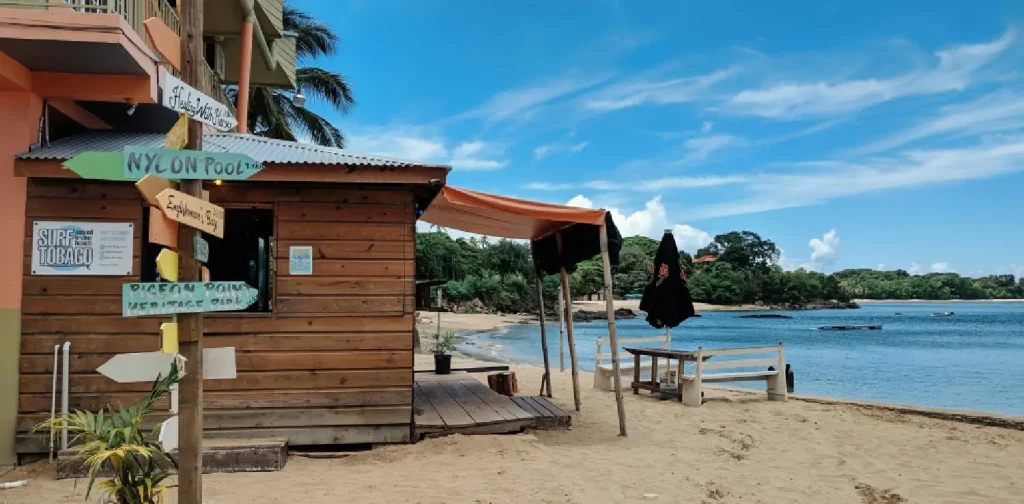
Beach in Trinidad and Tobago. | Photo: Alina Doodnath on Unsplash.
Small Island Developing States (SIDS) are highly vulnerable to external shocks. Their small sizes, dispersed populations, and remote locations create unique challenges in facing social, economic, and environmental issues. In this light, the Blue and Green Islands Integrated Programme aims to support SIDS in improving their resiliency in the face of multiple global crises.
Unique Vulnerabilities
“SIDS are on the frontlines of climate change and nature loss,” said Achim Steiner, UNDP Administrator. Due to their small sizes, SIDS mostly rely on external resources, particularly for their economic activities. Additionally, the lack of internal infrastructure and resources makes it difficult for SIDS to cope with the increasingly severe impacts of climate change.
Recognizing these unique conditions means acknowledging that SIDS are disproportionately affected by climate change compared to most countries. It also means making active efforts to respond to their vulnerabilities. Against this backdrop, the UNDP and the Global Environment Facility (GEF) launched the Blue and Green Islands Integrated Programme (BGI-IP) on 28 May 2024, during the Fourth International Conference on Small Island Developing States (SIDS4).
Blue and Green Islands Integrated Programme
Aligning the SIDS4’s theme of strengthening resilience, the program will focus on tackling the impacts of environmental degradation in urban development, food production, and tourism through nature-based solutions. It will target 15 out of 39 SIDS, representing the Caribbean, the Pacific, the Atlantic, the Indian Ocean, and the South China Sea (AIS).
In essence, the BGI-IP will provide resources for local communities to expand initiatives to tackle their challenges. According to Steiner, “The Blue and Green Islands Integrated Programme will serve to scale up nature-based solutions in the food, tourism, and urban sectors that help shift key sectors from nature-negative to nature-positive, improving the daily lives of people in small islands and helping to revive the health of our natural world.”
The Global Environment Fund plans to allocate USD 135.6 million for individual country projects and a global coordination project. Many partner organizations, including UNEP, FAO, the World Bank, WWF-US, IUCN, and UNCCD, are joining the program and will take charge of each of the 15 SIDS.
For Resilient Prosperity
The program will be implemented starting in January 2025. Moreover, the Blue and Green Islands Integrated Programme also aligns with the newly adopted Antigua & Barbuda Agenda for SIDS (ABAS), which seeks to help SIDS achieve resilience and prosperity in the economy, social, environmental, and other aspects of sustainable development.
Ultimately, all these efforts must move in the spirit of leaving no one behind. At the closing ceremony of the SIDS4, the United Nations Deputy Secretary-General Amina Mohammed said, “No effort should be spared to ensure that the voices of vulnerable and marginalized groups in SIDS continue to be heard, including persons with disabilities, older persons, and Indigenous Peoples.”
Editor: Nazalea Kusuma
Kresentia Madina
Madina is the Assistant Manager of Stakeholder Engagement at Green Network Asia. She holds a bachelor’s degree in English Studies from Universitas Indonesia. As part of the GNA In-House Team, she supports the organization's multi-stakeholder engagement across international organizations, governments, businesses, civil society, and grassroots communities through digital publications, events, capacity building, and research.
 The Warning Signals of Climate Change
  How Land Use and Climate Change Shape the Increasingly Precarious Balance of Global Deadwood Stocks
  The Injustice of Climate Finance: How Climate Change Is Draining Developing Nations
  The Need for One Health in Conservation
  Opportunities and Challenges in Implementing Biodiversity Credits for Biodiversity Financing in Indonesia
  How Climate Change Is Redrawing The Food Map