

The Blue SEA Finance Hub Aims to Support Healthy Oceans and Sustainable Blue Economies
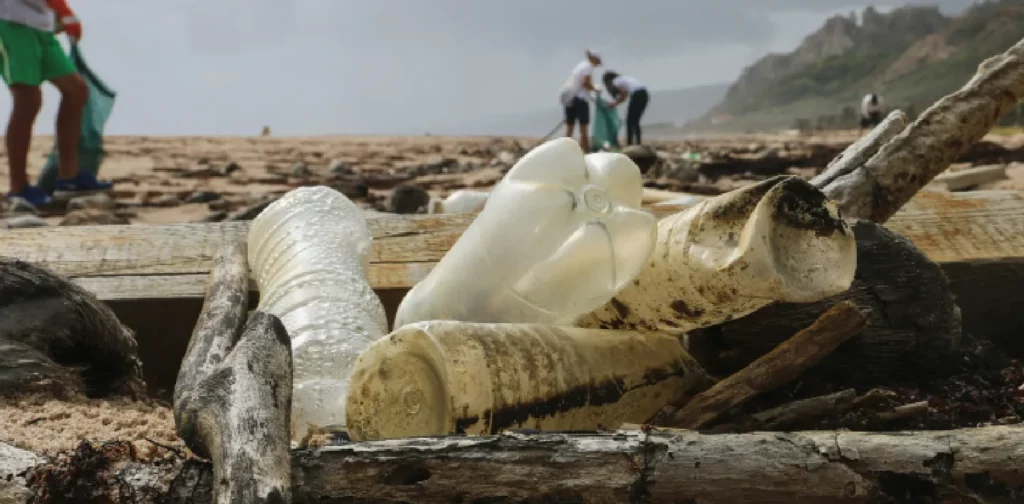
Photo: Brian Yurasits on Unsplash.
Southeast Asia is a maritime region, with many of the people depending on the oceans and seas for their economic and social welfare. At the same time, the region’s marine ecosystems are brimming with issues such as plastic pollution, habitat destruction, and overexploitation of marine biodiversity. In efforts to support healthy oceans and sustainable blue economies, the Asian Development Bank (ADB) established the Blue SEA Finance Hub.
Opportunities & Issues
ASEAN countries have some of the longest coastlines globally. For instance, Indonesia has 95,181 km of coastline, while the Philippines has 33,900 km. Oceans and seas also contribute significantly to people’s income and countries’ economies through agriculture, tourism, and trade.
On the other hand, ASEAN countries struggle with plastic pollution. Over 31 million tonnes of plastic waste are generated annually in six ASEAN countries, with the majority still ending up in the oceans and affecting marine biodiversity. Meanwhile, there are also issues with the overexploitation of marine resources and climate change-induced challenges.
A balance is needed. In November 2021, the Asian Development Bank established the Blue SEA Finance Hub to support sustainable ocean use.
Blue SEA Finance Hub
The Hub has two main goals: to accelerate the development of blue projects to improve marine ecosystem sustainability and to catalyze financing flow from public and private sources for those projects.
To achieve those goals, the Hub will work to identify and structure the finances of ocean health projects to attract funding. It will also focus on enhancing the capacities of governments and state-owned enterprises across ASEAN countries on oceans-related project frameworks, approaches, and finance mechanisms.
Additionally, upscaling small and medium-sized enterprises with relevant technologies or services will also be a priority.
As a part of the program, the ADB approved a $500 million loan in May 2024 to support Indonesia in reducing plastic pollution in the oceans. The project aligns with the country’s national plan to reduce plastic flow into the ocean by 70% in 2025, which targets downstream waste management, upstream plastic waste production, and overall systemic reform.
Pushing for Sustainable Ocean Use
The Blue SEA Finance Hub is part of ADB’s larger mission for healthy oceans and sustainable blue economies. This highlights how financial services institutions have the responsibility to participate in preserving ecosystems and mobilizing funding where it matters most. Ultimately, supporting sustainable ocean use and management practices must involve a multi-stakeholder approach from governments, businesses, and civil society.
Editor: Nazalea Kusuma

Kresentia Madina
Madina is the Assistant Manager of Stakeholder Engagement at Green Network Asia. She holds a bachelor’s degree in English Studies from Universitas Indonesia. As part of the GNA In-House Team, she supports the organization's multi-stakeholder engagement across international organizations, governments, businesses, civil society, and grassroots communities through digital publications, events, capacity building, and research.
 Indonesia Ruled to Recognize Chronic Illness as a Disability
  Clean Cooking as a Developmental Multiplier in Africa
  Congo Basin Peatlands Are Releasing Ancient Carbon
  From Anxiety to Action: How Youth Climate Activism Is Evolving
  India’s Supreme Court Declared Menstrual Health and Hygiene as Fundamental Rights
  Impacts of E-waste Pollution on Animals and Human Health