

Australia’s New Strategy to Strengthen Trade and Investments with Southeast Asia
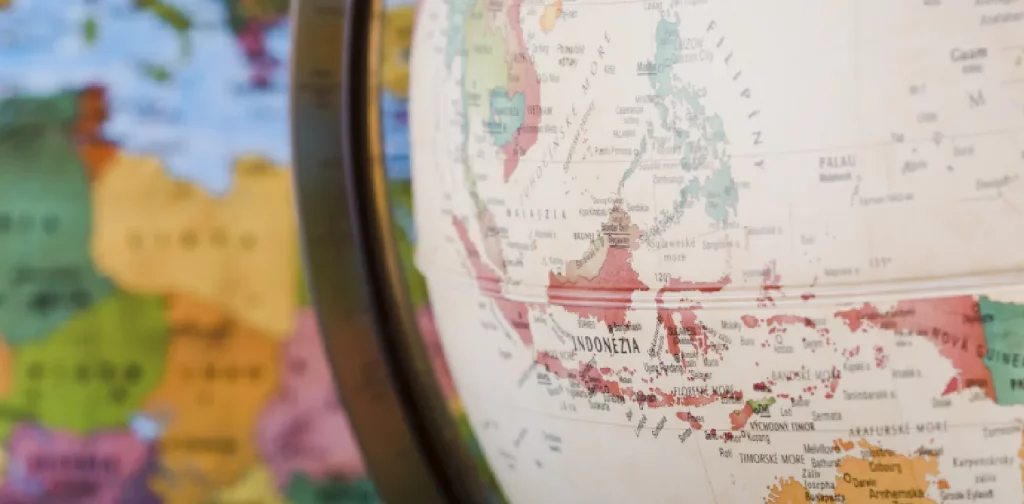
Photo: Freepik.
Trade and investment are essential for sustainable development. When done with the people and planet in mind, trade and investments can enable inclusive economic growth, increase job creation, and enhance people’s welfare. In this light, Australia aims to further strengthen its economic and trade engagement with Southeast Asia by launching the Southeast Asia Economic Strategy to 2040.
Australia-Southeast Asia Trade and Investments
Southeast Asia is considered one of the biggest, fastest-growing economies in the world. The region offers various economic potential and partnership opportunities, such as trade, energy, and tourism. By 2040, the region is projected to be the fourth-largest economy in the world.
On September 6, 2023, Australia launched its Southeast Asia Economic Strategy to 2040. The strategy aims to enhance the trade and investments between the two regions and form mutual partnerships in various sectors. Previously, the two regions have cooperated in energy, healthcare, infrastructure, and financial services sectors.
Key Priorities and Enablers
The 2040 economic strategy was produced through consultations with businesses, governments, and organizations in Australia and the region. Under the strategy, Australia plans on boosting trade and investments in ten sectors, including agriculture and food, green energy transition, infrastructure, education, healthcare, and digital economy.
The country predicts that the strategy can boost the trade value from A$287 billion (US$186 billion) to A$465 billion (US$302 billion) in 2040. To achieve its targets, the strategy also identifies four critical enablers to further advance cooperation between the two regions:
- Raising awareness
This involves strengthening Australia’s knowledge regarding Southeast Asia’s economies, societies, business environment, and market opportunities. Some ways to achieve this include increasing cultural literacy and capability, as well as encouraging more specialized interests in Southeast Asia.
- Removing blockages
This involves streamlining Australia’s foreign investment application process and reducing regulatory burden to further facilitate investments from Southeast Asian partners.
- Building capability
This includes supporting regional initiatives and providing technical assistance and policies to promote private sector-led growth and government-to-government collaborations.
- Deepening investment
This involves reducing foreign investment risks through various de-risking mechanisms, such as political risk insurance, to encourage further investments.
Sustainable Trade & Investments
Collaboration is key to advancing sustainable development. Enabling strong trade and investments between regions can be one of the ways to foster better and more inclusive economic growth. Australia’s Southeast Asia Economic Strategy to 2040 will hopefully enable better partnerships between regions while improving people’s welfare and preserving the environment.
Read the full document here.
Editor: Nazalea Kusuma

Kresentia Madina
Madina is the Assistant Manager of Stakeholder Engagement at Green Network Asia. She holds a bachelor’s degree in English Studies from Universitas Indonesia. As part of the GNA In-House Team, she supports the organization's multi-stakeholder engagement across international organizations, governments, businesses, civil society, and grassroots communities through digital publications, events, capacity building, and research.
 How Asia’s Data Center Boom Is Drinking Drought Zones Dry
  Inside Europe’s Heated Debate Over Air Conditioning and How to Stay Cool
  The Battery Belt on Women’s Bodies: Looking into the Gendered Impacts of Cobalt Mining in Congo
  Supporting Gig Workers in a Staggering Job Landscape
  The Tobacco Paradox: Why the Deadliest Industry Can Still Be the Most Profitable
  Addressing Asia’s E-Waste Management Gaps