

IEA Shared Update on Global CO2 Emissions Increase
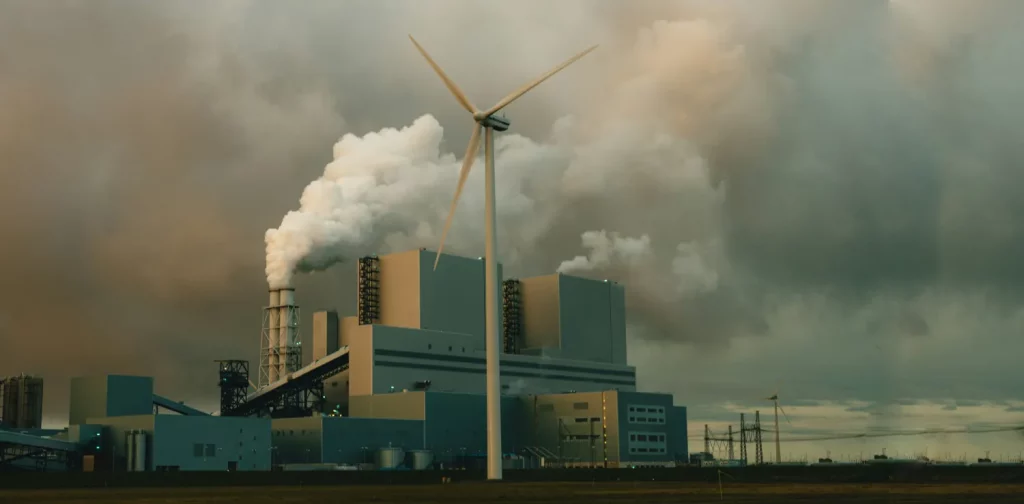
Photo: Tim van der Kuip on Unsplash.
Greenhouse gas emissions are a significant contributor to climate change. The energy sector remains one of the biggest emitters, with CO2 making up the majority of greenhouse gas emissions generated by this sector. In a new analysis, the International Energy Agency (IEA) provided an update on global energy-related CO2 emissions and how clean energy contributes to limiting them.
CO2 Emissions Increase
An analysis by the IEA showed a 1.1% increase in global energy-related CO2 emissions in 2023. This is equivalent to 410 million tonnes (Mt), more than 65% of which came from coal use. The growth has set CO2 emissions at a record high of 37.4 billion tonnes.
Still, there is little progress. The growth was lower by 0.2 points from the previous year’s 1.3%. IEA’s analysis revealed that the development of clean energy has been a major contributor to the slowdown of emissions. For instance, the global capacity additions of wind and solar PV grew by 75% (540 GW) in 2023 from the previous year. Similarly, global electric car sales increased by 14 million.
Furthermore, the analysis revealed that total energy-related emissions increased by 900 Mt between 2019 and 2023. Without the development and deployment of solar PV, wind power, and other key clean energy technologies, the emissions would have grown threefold.
Contributing Factors
Despite the small improvement, the increase in CO2 emissions must be halted to avoid breaching the 1.5°C threshold. The IEA mentioned temperature, weather, and the COVID-19 reopening effects as some of the factors that significantly influence the CO2 emissions from the energy sector.
The year 2023 was the hottest on record. The global temperature affected the demand for cooling and heating, with CO2 emissions from cooling increasing by 50 Mt. Meanwhile, emissions from heating decreased by 170 Mt due to milder winter conditions.
On the other hand, the low level of precipitation and prolonged drought in many parts of the world have particularly affected global hydropower capacity. According to the IEA, the global hydropower generation saw a record decline in 2023. The impact was also exacerbated by the El Niño.
Additionally, the COVID-19 reopening has also caused a spike in CO2 emissions. The global aviation traffic rose by over 35% in 2023 compared to 2022, resulting in 140 Mt of extra emissions.
Supporting Clean Energy Development
The deployment of renewable energy and low-carbon technologies can play a critical role in halting the increase in global greenhouse gas emissions. Therefore, ramping up the efforts for renewable energy transition is crucial, including broadening necessary infrastructures and technologies and setting clear targets and actions to harness renewable energy potential. Additionally, regulations and policies must be implemented to reduce energy consumption systemically on national and international scales.
“The clean energy transition has undergone a series of stress tests in the last five years – and it has demonstrated its resilience,” said IEA Executive Director Fatih Birol. “Most importantly, we need far greater efforts to enable emerging and developing economies to ramp up clean energy investment.”
Editor: Nazalea Kusuma

Kresentia Madina
Madina is the Assistant Manager of Stakeholder Engagement at Green Network Asia. She holds a bachelor’s degree in English Studies from Universitas Indonesia. As part of the GNA In-House Team, she supports the organization's multi-stakeholder engagement across international organizations, governments, businesses, civil society, and grassroots communities through digital publications, events, capacity building, and research.
 The Warning Signals of Climate Change
  How Land Use and Climate Change Shape the Increasingly Precarious Balance of Global Deadwood Stocks
  The Injustice of Climate Finance: How Climate Change Is Draining Developing Nations
  The Need for One Health in Conservation
  Opportunities and Challenges in Implementing Biodiversity Credits for Biodiversity Financing in Indonesia
  How Climate Change Is Redrawing The Food Map