

Paraguay’s Electricity Is Entirely Sourced from Renewable Energy, Hydropower
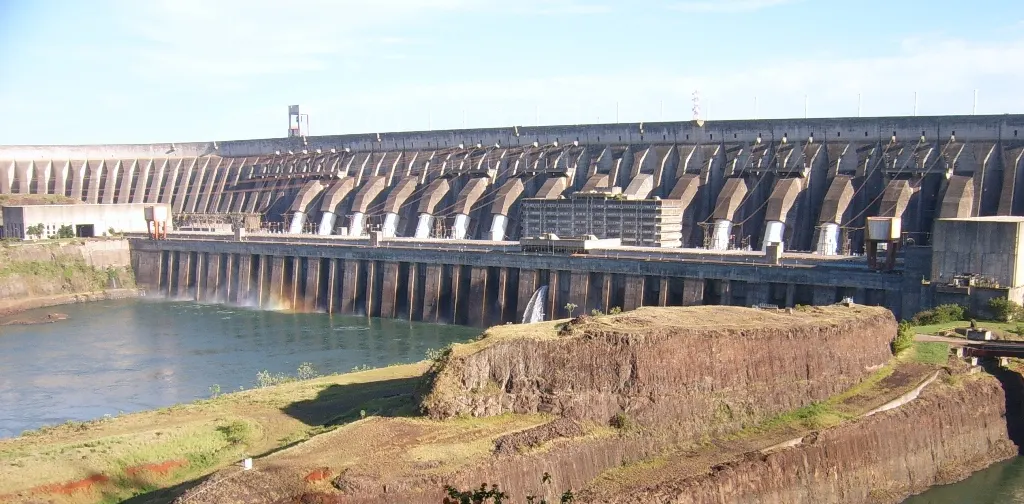
Photo by Hmerinomx on Flickr
Electricity has become integral to our lives. Yet, its production, which is historically reliant on fossil fuels, has posed threats to our planet. In South America, Paraguay stands out for successfully sourcing its electricity from renewable energy, hydropower.
The Urgency of Energy Transition
Driven by population increase and technological advancements, the need for electricity is growing. In response to the rising demand, the continuous exploitation and utilization of fossil fuels for power generation has significantly contributed to greenhouse gas emissions and the climate crisis.
Despite global agreement and widespread recognition of the negative impacts of fossil fuel use, over 70% of the world’s total electricity generation in 2023 was still sourced from coal, oil, and natural gas. As 2023 became the hottest year on record, there is an urgent importance for a quicker transition to sustainable and renewable energy solutions.
Paraguay’s Hydropower
In contrast, Paraguay has been generating its electricity from renewable sources for decades. The nation’s power supply is entirely sourced from hydropower, which is a renewable source that is harnessed through the force of flowing water to generate electricity.
This was made possible by the joint collaboration between neighboring countries. In 1973, Paraguay and Brazil signed the Treaty of Itaipú to develop the Itaipu Hydroelectric Dam. In 2021, 100% of the country’s electricity was generated from the Itaipu, Yacyretá, and Acaray hydroelectric projects.
This good practice of embracing hydropower has not only driven Paraguay to environmental sustainability but has also liberated the country from the need for oil and diesel imports for its electrical generation. Moreover, Paraguay’s hydropower plants also offer economic advantages through power exports to neighboring countries. The country has become a significant electricity exporter worth $1.63 billion, thanks to the surplus generated by these plants.
Toward Global Renewable Energy Adoption
Paraguay’s successful shift to 100% renewable energy showcases feasibility of a more environmentally conscious approach to meet the energy needs of modern society. It also highlights the importance of creating energy solutions that fit each country’s unique geographical location and natural potential. This approach ensures that renewable sources are not only adopted, but also effectively integrated into a nation’s energy landscape.
Furthermore, multi-stakeholder and international collaborations that foster partnerships are essential to facilitate the development of large-scale renewable energy projects. And lastly, governments worldwide should consider implementing and reinforcing policies that incentivize and accelerate the adoption of renewable energy, ultimately paving the way for sustainable development.
 The Warning Signals of Climate Change
  How Land Use and Climate Change Shape the Increasingly Precarious Balance of Global Deadwood Stocks
  The Injustice of Climate Finance: How Climate Change Is Draining Developing Nations
  The Need for One Health in Conservation
  Opportunities and Challenges in Implementing Biodiversity Credits for Biodiversity Financing in Indonesia
  How Climate Change Is Redrawing The Food Map