

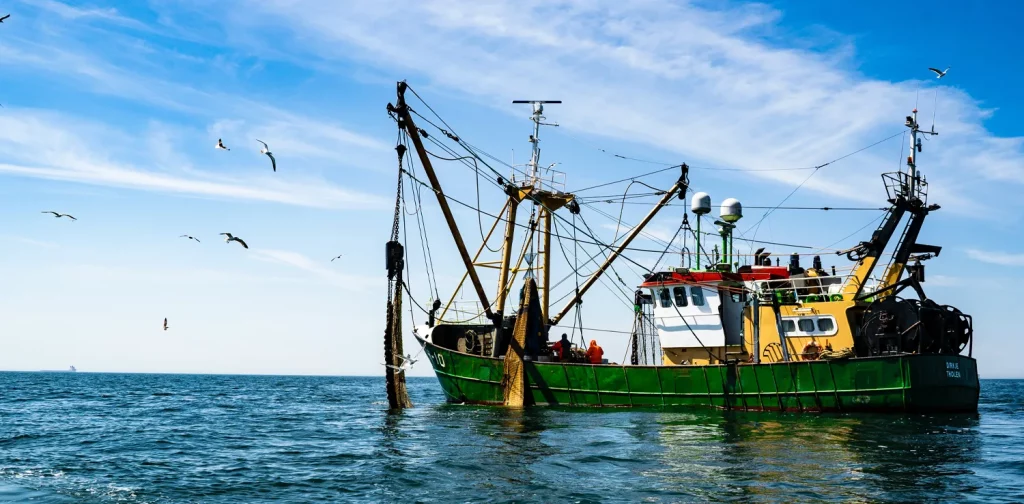
 Modern Sea Slavery in Indonesia and Beyond
Sea slavery still exists today. As thousands of migrant workers in ASEAN countries are still under the shackles of forced labor, employing a multi-stakeholder approach is essential to eradicate slavery.... Read More
Social Protection
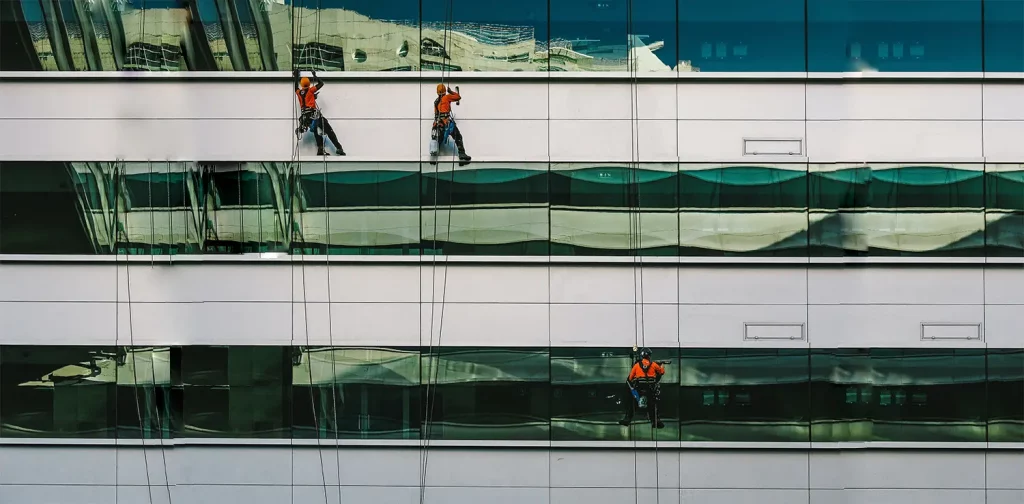 Global Implementation of Occupational Safety and Health at Work
Safety and health at work is a worker's right. An ILO report reveals how well nations worldwide address occupational safety and health.
... Read More
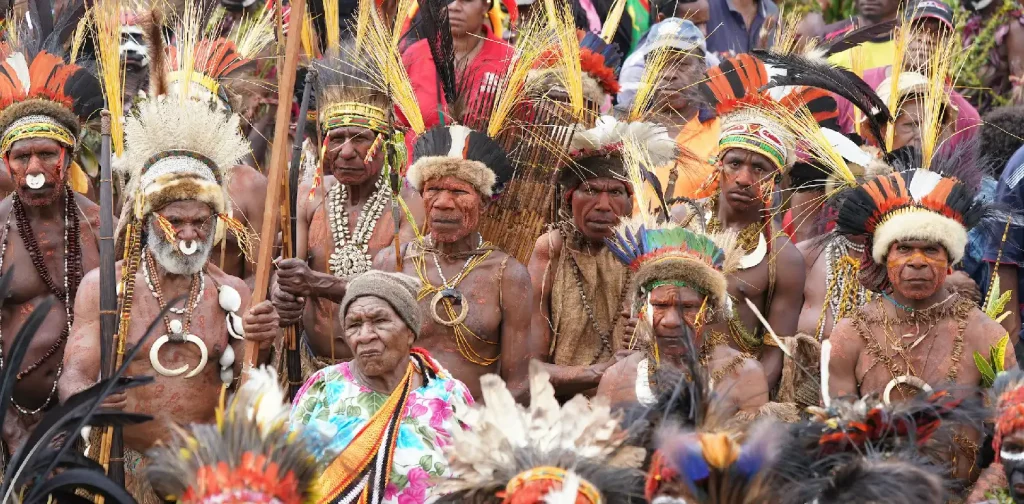 Strengthening Legal Protection for Indigenous Peoples in Indonesia
Indigenous Peoples in Indonesia need robust legal protection to achieve a safe, healthy, and decent life.... Read More
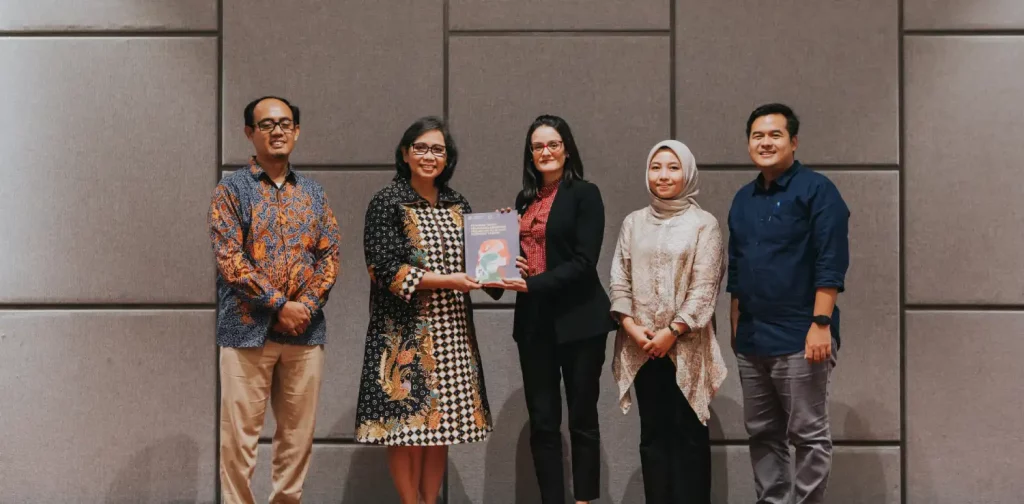 Accelerating Gender-Responsive Financial Instruments in Indonesia
Achieving gender equality is still a work in progress in Indonesia. Recently, Innovative Financing Lab under UNDP launched four reports exploring topics surrounding gender-responsive financial instruments for crisis resiliency. ... Read More
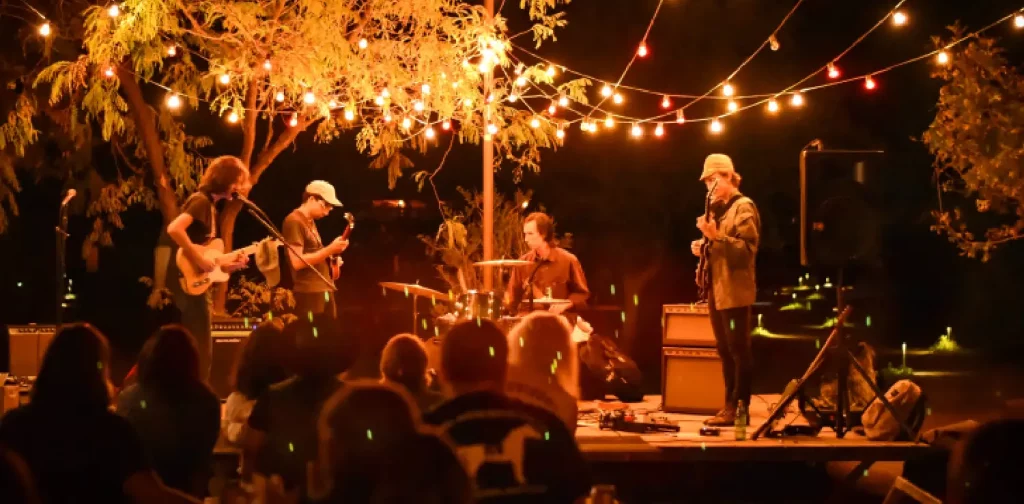 Decent Work and Rights Protection for Arts and Entertainment Workers
Ensuring a safe and healthy environment for arts and entertainment workers requires implementing regulations and enforcement to provide the foundation of decent work in the arts and entertainment sector.... Read More
 What is Just Energy Transition Partnerships?
Just Energy Transition Partnerships aim to bridge the gap between developed and developing nations in moving towards clean energy. South Africa, Indonesia, and Vietnam are the first three countries to receive funding.... Read More
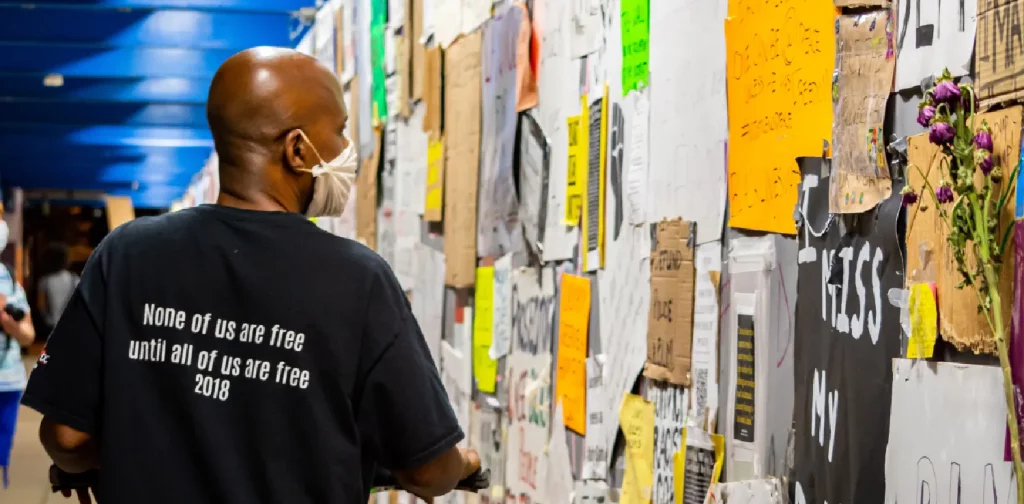 Reversing the Backward Progress of Social Justice
The world is facing multiple crises at once; is reversing the backward progress of social justice globally possible?... Read More
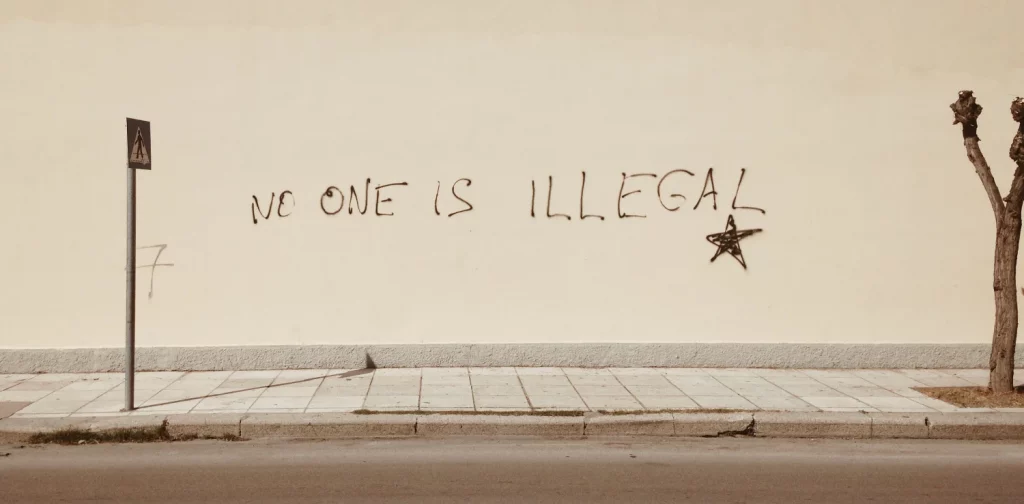 Empowering Migrants Against Climate Disasters
Leaving no one behind entails taking actions to protect migrants against climate disasters, particularly by governments and authorities of all levels.... Read More
 28 Million People Are Still in Forced Labor Today
There is a 2.7 million increase between 2016 and 2021, primarily driven by forced labor in the private economy.... Read More
 Addressing Statelessness in the Climate Crisis
Stateless people are often denied basic human rights like education, healthcare, and others.... Read More