

Recent Study Reveals New Biodegradable Plastic Alternative to Styrofoam
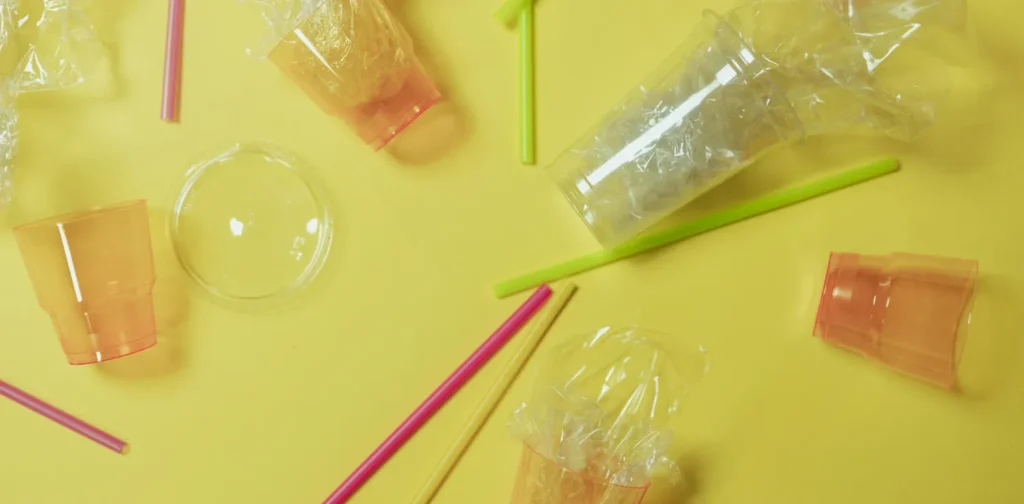
Photo by Ron Lach on Pexels
Nowadays, we can hardly go through the day without encountering plastic. From single-use bags and bottles to the more durable containers, plastic has become an unavoidable part of most people’s lives. However, the convenience that it offers comes at the cost of environmental damage caused by mounting plastic waste. As a part of continuous efforts to address this issue, scientists in Massachusetts revealed a biodegradable plastic alternative to styrofoam that degrades more quickly in seawater.
Lifespan of Plastic
Plastic products are everywhere in our daily life—straws, cups, tapes, spoons, and even styrofoam boxes. Plastic was originally created as a substitute for depleting natural materials. It has quickly become the most commonly used packaging material due to its durability, affordability, and accessibility.
Ironically, the material is too durable; it can remain for hundreds of years. For example, plastic food wrap is typically used just once and is only effective for a few hours, but it can linger in the environment for decades or even centuries. Even when it is degraded, plastics remain a threat as they turn into microplastics that could enter the food chain, impacting both wildlife and humans. Additionally, plastics are made from fossil fuels, a non-renewable resource.
The habit of using single-use plastic has caused serious problems around the world. About half of all plastic waste ends up in landfills, while 22% is discarded in uncontrolled dumpsites, where it can release toxic chemicals into the air, soil, and water. Furthermore, plastic pollution in waterways gets carried away into the ocean and is often eaten by marine animals like turtles, birds, and fish, leading to choking, starvation, and death.
New Biodegradable Plastic Alternative
Among the many ongoing studies and years of research to find biodegradable plastic alternatives, researchers in Massachusetts have recently discovered a new bioplastic material that degrades quickly when tested under seawater. This new version of cellulose diacetate (CDA), a plastic-like polymer made from wood, has a foam-like texture and could be a potential substitute for traditional styrofoam.
The study involved monitoring both foamed and solid CDA in a tank of continuously flowing seawater within a specially designed lab that controlled temperature and light exposure to mimic natural environments. After 36 weeks, the CDA foam was found to have lost 70% of its original mass. By creating small pores in the material, the foamed CDA degraded 15 times quicker than solid CDA and even surpassed paper in degradation speed.
Previous studies have also shown that straws made from CDA foam degrade 190% quicker than solid CDA and have a shorter projected lifespan than paper straws.
Shared Awareness, Shared Responsibility
The new material offers a viable option to shift from environmentally damaging plastics. However, the effort to seek more sustainable packaging options would not be effective without global commitment and actions to ending plastic pollutants.
Therefore, governments must impose regulations encouraging industries, vendors, and consumers to gradually adopt more environmentally friendly alternatives. Collaboration between industry and academia is also vital, as research insights and funding can help scale up sustainable solutions. Ultimately, it is our collective responsibility to reduce and recycle plastic and create a more sustainable future for all.
Editor: Kresentia Madina & Nazalea Kusuma

Dinda Rahmania
Dinda Rahmania is an Assistant of International Partnerships at Green Network Asia. She holds a bachelor’s degree in International Relations from President University. As part of the GNA In-House Team, she supports the organization’s partnerships with international organizations, governments, businesses, and civil society worldwide through digital publications, events, capacity building, and research.
 Whimsymaxxing and Beyond: Rethinking the Waste Behind Viral Trends
  Seeking Guidance from Karl Marx to Face the Climate Catastrophe
  Indonesia’s Greenwashing Diplomacy at COP31 and Beyond
  The Textile Industry Is Growing, and So Is Textile Wastewater
  EESG: We Need a New Economic Narrative for Sustainability in the Age of AI, Energy Crisis, and Geopolitical Divide
  The Continued Struggle for Equality and Dignity in Women’s Sportswear