

Refocusing on Nitrous Oxide, a Potent Greenhouse Gas on the Rise
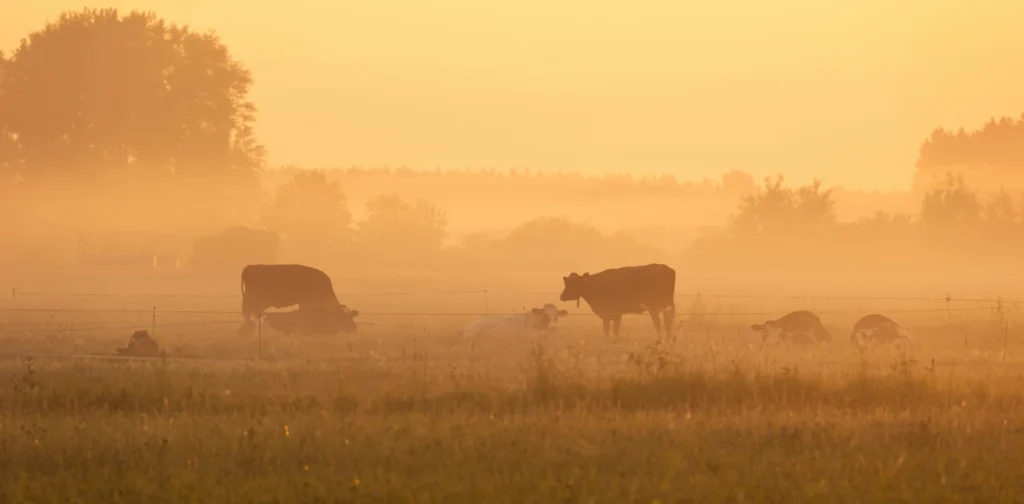
Photo: Jamo Images on Unsplash.
Recently, countries gathered at the COP29 Summit to further strategize on how to tackle the existential crisis climate change has brought. Among the greenhouse gasses contributing to climate change is nitrous oxide, a much more potent gas than carbon. At the summit, the United Nations launched a new report that sheds light on current insights and recommendations to address nitrous oxide emissions.
The Almost Overlooked Greenhouse Gas
Nitrous oxide (N2O) is a greenhouse gas naturally generated in seas and soils. From humans, N2O is commonly produced by agricultural activities, mainly from nitrogen fertilizers and animal manure. The agriculture sector itself is responsible for up to 27% of climate-warming emissions.
While most policies focus on carbon dioxide (CO2), it is also important to address other greenhouse gasses like nitrous oxide. Why? Because one pound of N2O can trap 300 times more heat than one pound of CO2 in the span of over 100 years. In other words, although CO2 has caused about 10 times more warming due to its higher levels in the atmosphere, N2O is much more powerful.
Moreover, research highlights the alarming rise in nitrous oxide levels in the atmosphere. For instance, the Global Carbon Project found that the level of N2O increased by 40% from 1980 to 2020. Another study showed that the gas is building up in the atmosphere faster than ever before, with its current growth rate possibly being the highest in the last 800,000 years.
The Global Nitrous Oxide Assessment
At the COP29 Summit, the UNEP and FAO launched a new global assessment exploring insights, current trends, and ways to tackle nitrous oxide with respect to climate change.
According to the report, South America is the biggest producer of N2O emissions, reaching 3.43 million tons (Mt) per year. Meanwhile, South Asia and Southeast Asia have a total of 3.30 Mt, showing a 172% increase from 1980 to 2020. The dominant sources of these emissions in various regions are agriculture, industries, and energy production.
Measures available today can reduce greenhouse gas emissions, particularly N2O, by 40%. For instance, more efficient practices are needed to reduce N2O emissions in farming. This includes improving animal feed with non-crop nitrogen and conducting better manure management to recycle nutrients into the soil. These changes will cut down on the need for nitrogen-rich crops and reduce fertilizer-related emissions.
Furthermore, it is crucial to transform the entire food production system to be more circular and efficient. This could involve using human food waste as livestock feed or compost and improving manure management through processes like anaerobic digestion. These changes will help lower emissions while ensuring a sustainable food supply.
Another takeaway for reducing N2O emissions is shifting societal diets towards plant-based foods and reducing the consumption of meat and dairy products. Additionally, food waste reduction is also crucial for cutting unnecessary emissions.
Supporting Better Practice for Emission Reduction
While much focus is directed toward reducing carbon emissions, other greenhouse gasses with similarly potent effects like nitrous oxide also need more attention. Governments worldwide must take action by funding research, creating better policies, and supporting the transition to more sustainable practices. At the same time, industries must follow suit by adopting recommended practices to collectively reduce nitrous oxide emissions. This will help us meet our climate goals and ultimately protect the sustainability of our planet.
Read the full report here.
Editor: Kresentia Madina & Nazalea Kusuma

Dinda Rahmania
Dinda Rahmania is an Assistant of International Partnerships at Green Network Asia. She holds a bachelor’s degree in International Relations from President University. As part of the GNA In-House Team, she supports the organization’s partnerships with international organizations, governments, businesses, and civil society worldwide through digital publications, events, capacity building, and research.
 Whimsymaxxing and Beyond: Rethinking the Waste Behind Viral Trends
  Seeking Guidance from Karl Marx to Face the Climate Catastrophe
  Indonesia’s Greenwashing Diplomacy at COP31 and Beyond
  The Textile Industry Is Growing, and So Is Textile Wastewater
  EESG: We Need a New Economic Narrative for Sustainability in the Age of AI, Energy Crisis, and Geopolitical Divide
  The Continued Struggle for Equality and Dignity in Women’s Sportswear