

Accounting and Reporting Methodology for Sustainable Aviation Fuel
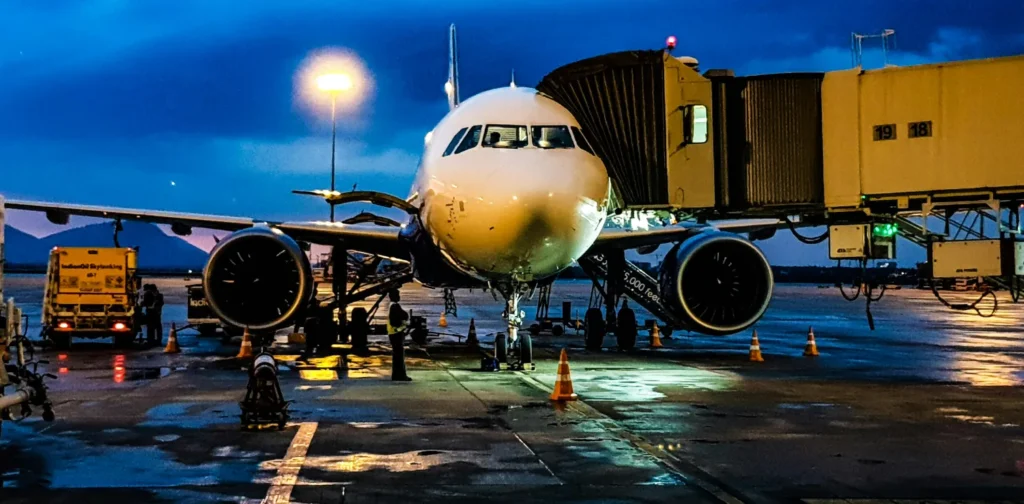
Photo: Soumya Ranjan on Pexels.
The aviation sector has been working to develop and deploy sustainable aviation fuel (SAF) to minimize emissions, in line with the global decarbonization effort. In this light, the International Air Transport Association (IATA) has released a SAF accounting and reporting methodology for a more accountable and effective use of SAF.
Decarbonizing Aviation Sector
After plummeting due to COVID-19 mobility restrictions, the aviation sector has bounced back, along with its emission level. The sector accounted for 2.5% of energy-related CO2 emissions globally in 2023, the fastest to grow over the rail, road, or shipping sectors.
Increasing the production and deployment of sustainable aviation fuel is a part of the global goal to achieve net zero emissions by 2050. To ensure an accurate calculation for the fuel’s use and impacts, an accounting reporting and methodology is needed. The IATA Sustainable Aviation Fuel (SAF) Accounting & Reporting Methodology aims to recommend a consistent methodology for airlines to calculate, account, and report emission reduction related to SAF use.
Avoiding Double Counting of SAF Impacts
The methodology was developed in collaboration with over 40 airline experts worldwide, and aims to complement existing regulations and standards regarding sustainable aviation fuel.
“The IATA methodology will provide a consistent approach to accounting for the environmental benefits of SAF purchases, regardless of location,” said Marie Owens Thomsen, IATA’s SVP Sustainability and Chief Economist.
One of the main points highlighted in the methodology is the prevention of double counting when calculating emission reduction from SAF usage. It states that “when reporting the emissions reduction from the purchase and use of SAF across voluntary and regulatory frameworks, airlines should take preventative measures to ensure no double counting or double claiming of emissions reduction from any given batch of SAF in non-overlapping inventories.”
It recommends airlines to obtain a declaration from the fuel supplier stating that the SAF and its associated environmental attributes only belong to the airline and have not been purchased and used by other airlines or parties. This way, it is hoped that the claims and calculation can display the accurate impacts of SAF.
Optimizing Sustainable Aviation Fuel
The publication of IATA’s SAF Accounting and Reporting Methodology is an important foundation to prepare for the organization’s SAF Registry, which will be launched in April 2025. Thomsen said, “The transparency of a published global standard methodology will give confidence that the Registry is robust and fair, with no double-counting. This is essential in creating a functioning global SAF market.”
Along with this development, governments, businesses, and civil society must also participate to address existing concerns and develop measures to optimize the use of sustainable aviation fuel as one of decarbonization efforts in the global transport sector.

Kresentia Madina
Madina is the Assistant Manager of Stakeholder Engagement at Green Network Asia. She holds a bachelor’s degree in English Studies from Universitas Indonesia. As part of the GNA In-House Team, she supports the organization's multi-stakeholder engagement across international organizations, governments, businesses, civil society, and grassroots communities through digital publications, events, capacity building, and research.
 Risk of Transboundary Air Pollution Increases as Extreme Heat Continues
  Whimsymaxxing and Beyond: Rethinking the Waste Behind Viral Trends
  Seeking Guidance from Karl Marx to Face the Climate Catastrophe
  Indonesia’s Greenwashing Diplomacy at COP31 and Beyond
  The Textile Industry Is Growing, and So Is Textile Wastewater
  EESG: We Need a New Economic Narrative for Sustainability in the Age of AI, Energy Crisis, and Geopolitical Divide