

FINZ Standard: A Science-based Framework to End Fossil Fuel Financing
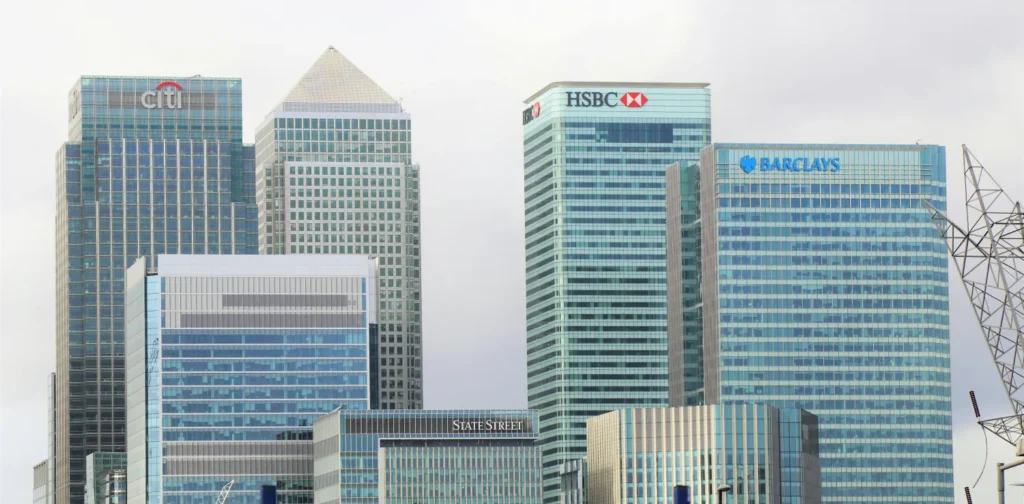
Photo: Expect Best on Pexels.
A net-zero world has been a shared global goal, with the emphasis on emission reduction to curb climate change. Besides being an environmental issue, climate change is also an economic challenge. Therefore, the financial sector has a vital role in directing the money flow—whether capital goes into clean energy or fossil fuels. In this light, the Financial Institutions Net-Zero Standard (FINZ Standard) was established to urge the finance sector to end fossil fuel expansion.
The Financial Institutions Net-Zero Standard (FINZ Standard)
The Science Based Targets initiative (SBTi) launched the Financial Institutions Net-Zero Standard (FINZ Standard) in July 2025. It is a science-based framework designed specifically for banks, asset managers, insurers, and other financial actors.
Most greenhouse gas emissions linked to financial institutions come from what is called financed emissions, which fall under Scope 3 emissions. These are the emissions produced by the companies and projects they invest in, not directly from their own buildings or daily operations. Because financial institutions often fund hundreds of businesses, the total emissions can be huge. Hence, reducing it is key to meeting the Paris Agreement’s goal of keeping global warming below 1.5°C.
As of its release, the FINZ Standard is adopted on a voluntary basis. It provides guidance for financial institutions to set clear short-term and long-term emission reduction targets, publicly share their commitments and progress, and take climate action across their entire portfolios. This includes developing greenhouse gas (GHG) emissions inventories, increasing financial flows toward climate solutions, and more. The aim is to ensure that financial activities are aligned with climate science and the goal of achieving net-zero emissions.
Ending the Funds for Fossil Fuel
The FINZ Standard requires all committed financial institutions to adopt a public fossil fuel transition policy within one year. This policy must clearly state that there will be no new financing for the coal value chain, no funding or insurance for new oil and gas expansion projects, and no support for companies involved in fossil fuels. These measures must take effect immediately or, at the latest, by 2030.
Any form of financing that enables fossil fuel expansion is subject to this rule. This, includes direct project loans and general corporate loans or investments that could indirectly support new coal, oil, or gas developments. Essentially, the standard aims to close all pathways for new fossil projects from receiving backing from institutions claiming to be on a net-zero pathway.
Urgent Action for Sustainable Finance
Achieving net-zero targets depends on how effectively we can shift from carbon-intensive practices to sustainable solutions. Creating conditions and incentives that reward sustainable investment is a critical first step on the path to net-zero. Policymakers, financial institutions, and businesses must ground their actions in science-based net-zero standards to ensure meaningful progress.
Moreover, public awareness of where and how money is invested can also put pressure on institutions to honor their sustainability commitments. There is little time to waste as each year of delay allows high-emission projects to expand, worsening climate impacts, reducing the welfare of affected communities, and overall undermining our future. Therefore, an urgent and coordinated action from all stakeholders is essential to secure a better future for all.
Editor: Nazalea Kusuma & Kresentia Madina

Co-create positive impact for people and the planet.
Amidst today’s increasingly complex global challenges, equipping yourself, team, and communities with interdisciplinary and cross-sectoral insights on sustainability-related issues and sustainable development is no longer optional — it is a strategic necessity to stay ahead and stay relevant.

Dinda Rahmania
Dinda Rahmania is an Assistant of International Partnerships at Green Network Asia. She holds a bachelor’s degree in International Relations from President University. As part of the GNA In-House Team, she supports the organization’s partnerships with international organizations, governments, businesses, and civil society worldwide through digital publications, events, capacity building, and research.
 Seeking Guidance from Karl Marx to Face the Climate Catastrophe
  Indonesia’s Greenwashing Diplomacy at COP31 and Beyond
  The Textile Industry Is Growing, and So Is Textile Wastewater
  EESG: We Need a New Economic Narrative for Sustainability in the Age of AI, Energy Crisis, and Geopolitical Divide
  The Continued Struggle for Equality and Dignity in Women’s Sportswear
  Behavior Change for the Planet: Is composting worth it?