

Preserving Heritage Sites in the Face of Climate Change
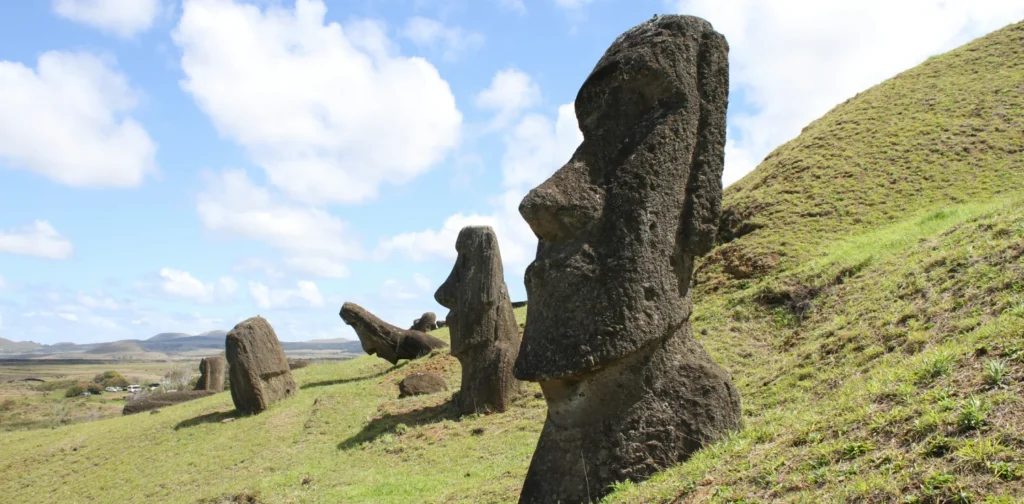
Photo: Thomas Griggs on Unsplash.
Climate change impacts our environment in numerous ways. Heritage sites, which have withstood the test of time, are also beginning to suffer from the crisis. This highlights the need to strengthen climate resilience to preserve world heritage, as well as the people and environment surrounding it.
Heritage Sites Under Pressure
From frequent heatwaves to rising sea levels, we have been forced to witness how climate change is transforming our current reality and the future ahead of us. Now, the crisis is slowly erasing our past, too. Heritage sites around the world, which have existed for centuries, are facing threats from erosion, extreme weather events, and flooding.
For instance, the art and scriptures in the Mogao Caves, China, are at risk of flaking and detaching due to increasing humidity and water leaks. The caves were first constructed in 366 AD, and are considered one of the richest cultural sites for Buddhist art. Similarly, the sculptures and architecture in Rapa Nui, Chile, are also under the threat of flooding in the next decades.
Researchers from the University of Hawaiʻi at Mānoa have found that Ahu Tongariki, one of the significant landmarks on the island’s coasts, may be flooded by waves as early as 2080. They employed a simulation to predict the wave environment along the island’s coastline, which has been experiencing rising sea levels. The IPCC has similar projections. The island’s sea levels might rise by up to 0.94 m from the 1995–2014 baseline by 2100. This means they could reach 2 meters without significant actions to limit global greenhouse gas emissions.
Challenges & Potential
Heritage sites are often regarded for their tourism potential, which contributes to supporting the livelihoods of surrounding communities. However, beyond that, they also hold significant importance in our efforts to support sustainable development.
Cultural heritage sites like the Mogao Caves and Rapa Nui are crucial for preserving centuries of knowledge and history, offering valuable insights and wisdom to current and future generations. They are both included in UNESCO’s World Heritage properties list, comprising over a thousand of cultural, natural, and mixed sites.
Meanwhile, natural heritage sites can serve as natural buffers against climate impacts and disasters, while also protecting biodiversity. The Monarch Butterfly Biosphere Reserve in Mexico, also a UNESCO World Heritage site, is a crucial area where monarch butterflies spend the winter.
Beyond this designation, heritage sites are also ecosystems and cultures of Indigenous Peoples that they have been preserving and practicing for generations. They play a pivotal role in advancing sustainable development through the beliefs and practices that align with nature. Unfortunately, these ecosystems and cultures are also under the pressure of climate change, as well as unrestricted modern development.
Safeguarding History
The challenges and opportunities of heritage sites in light of the climate crisis highlight how these sites are both valuable assets to be protected from climate impacts and meaningful resources to support sustainable development efforts. Recognizing these situations is crucial for formulating effective and meaningful interventions to strengthen climate resilience at these sites.
Ultimately, a collective action is needed. Involving local communities—their ideas, wisdom, and experience—through integrated and inclusive governance is crucial for implementing grounded interventions. Meanwhile, governments and international organizations are responsible for providing assistance in the form of financing, technology, and capacity building to create more effective, comprehensive, and robust efforts to enhance climate resilience in heritage sites.
Editor: Nazalea Kusuma
 From European Heat to the Himalayan Flood: The Transboundary Nature of Climate Risk
  Noise Pollution Is Making Us Sick, and Climate Change Is Making It Worse
  Beyond Fashion: The Environmental Cost Behind Animal Leather
  Addressing the Hidden Risk of Microplastics from Offshore Infrastructures
  Addressing Antimicrobial Resistance as More Than a Medical Issue
  Holding Harmful Industries Liable for Harm to Human Life and the Environment