

Addressing the Elephant in the Forest: The Necessity of Disaster Recovery Plans for Wildlife
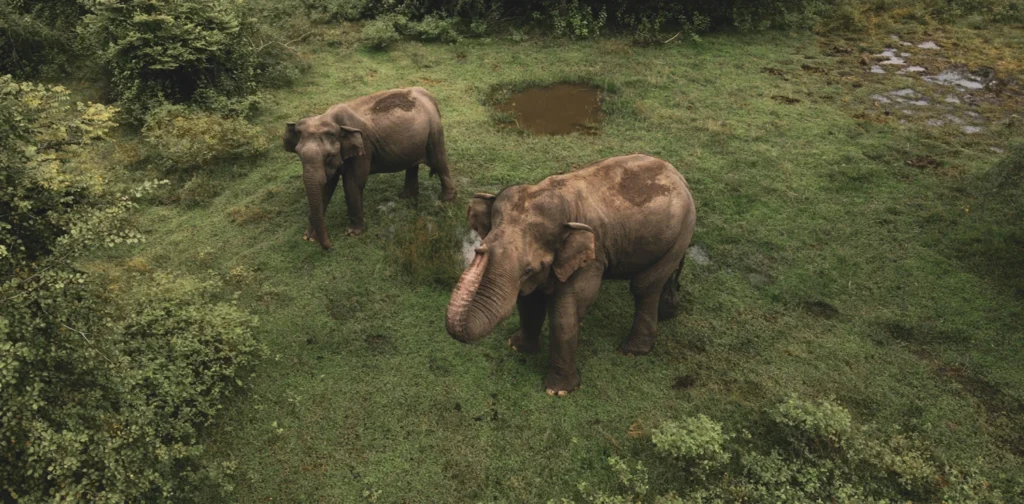
Photo: SB Bandara on Unsplash.
Climate change threatens to upend the lives of every being on earth, including wildlife. It increases the risks of extreme weather, often resulting in disasters. Besides devastating human casualties, wild animals also suffer greatly from disasters due to major destruction of their habitat. In this light, disaster recovery plans for wildlife are often overlooked yet necessary for the long-term resilience of people and the planet.
Wildlife and Disasters
The existence of wild animals is significant for humans and the environment. They are a crucial aspect of biodiversity and agricultural productivity with their contribution in controlling pests, pollinating crops, and replenishing nutrients in soil. Healthy ecosystems rely on diverse and healthy wildlife to sustain their function.
Unfortunately, according to WWF’s Living Planet Report 2024, we are seeing approximately 70% decrease in wildlife populations. Wildlife loss creates imbalance in the food web, disrupting predator-prey relationships. Consequently, pests emerge exponentially due to the lack of biological control, causing illnesses—such as Lyme disease—and other farming issues.
There are several causes of this decline, such as overexploitation, diseases, invasive species, and disasters. However, many national action plans for wildlife conservation do not take disasters into account on their list of threats.
When disasters occur, wildlife either die or become displaced from their natural habitat. For example, around 3 billion animals were severely inflicted during 2019-2020 Australian megafires. The floods and landslides that happened in Sumatra, Indonesia, in November 2025 also impacted the lives of Tapanuli orangutans. Orangutan conservationist Erik Meijaard said, “We think that between 6 to 11% of orangutans were likely killed.”
Disaster Recovery Plans for Wildlife
Following the growing frequency of disasters and gradual mass extinction of wild animals, protecting wildlife under unstable circumstances becomes increasingly urgent. Even before disaster strikes, integrating wildlife into disaster risk reduction strategies is important. Studying how various wildlife species react during disasters will help inform how to best help them should hazards occur. Funding and initiating research into the matter is crucial in preparing escape routes, safe zones, and rescue efforts for wildlife in disaster scenarios.
Then, in the aftermath of disasters, prompt habitat restoration is essential. Restoring and preserving the natural world is key to resilience. They are home to countless wildlife species, and their ecological functions contribute to the wellbeing of humans and human settlements. To do so, there must be holistic conservation efforts that not only restore nature to pre-disaster conditions but also help prevent the disastrous impacts of upcoming hazards. For example, Costa Rica‘s Payments for Environmental Services in 1997 was a rewilding plan that was effective to regenerate their initially damaged forest.
Collaboration for Recovery and Resilience
A framework and a systemic strategy are the foundation of disaster recovery plans for wildlife. However, we can all help fill the gaps. For instance, media coverage that reports the plight of wildlife will attract public support and donations. This will help animal-focused non-governmental organizations and wildlife sector custodians to continue their post-disaster recovery works. Additionally, rehabilitation centers and sanctuaries are vital parts of recovery plans for before wildlife can return to their restored habitats.
Ultimately, the wildlife population decline and natural disasters are symptoms of the same destructive systems. The intensity and frequency of natural disasters will continue to develop without systemic transformations to halt human-induced climate change. Therefore, addressing its root causes and intersectional impacts is the most urgent and critical matter.
Editor: Nazalea Kusuma
 Beyond Fashion: The Environmental Cost Behind Animal Leather
  Addressing the Hidden Risk of Microplastics from Offshore Infrastructures
  Addressing Antimicrobial Resistance as More Than a Medical Issue
  Holding Harmful Industries Liable for Harm to Human Life and the Environment
  Clearing the Air of Despair Surrounding the Climate Crisis with Data
  How Do Wild Animals Survive Wildfires?