

Exploring Technological Advancement to Replace Animal Testing
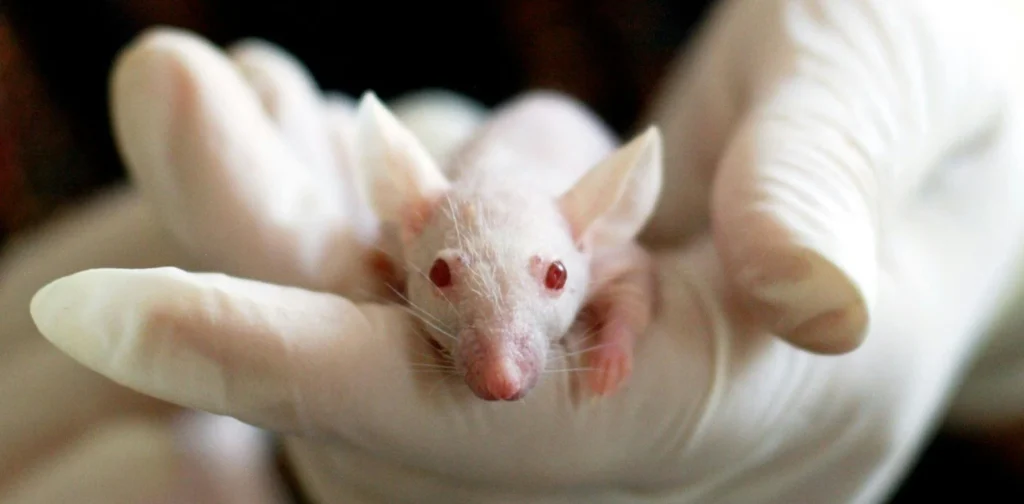
Photo: Pixabay on Pexels.
Historically, modern medicine has relied on animal models to test new medications, develop cures for diseases, and address other scientific questions. However, this method has long been questioned for harming and exploiting animals. As technology evolves, innovations continue to emerge as alternatives to animal testing.
The Development & Phasing Out of Animal Testing
Animal testing is a form of scientific experiment that involves exposing potential substances to animals. Typically conducted in a laboratory, the experiment’s subjects include a wide array of animal species, such as rodents, cats, dogs, primates, sheep, birds, fish, etc. Successful testing, in which the experiment can be safely applied to animals, can move to the next stage. But when it fails, it means pain, suffering, and even death for the animals.
The European Commission’s data covering 28 countries indicates that in 2022 alone, 9.2% of 8.4 million animals experienced severe impairments and distress after being subjects in testing and research. Due to the blatant animal suffering, many animal welfare organizations have been campaigning and calling for an end to the use of animals in experiments.
Other than ethical considerations, the usefulness of animal testing in the medical world is being questioned. Animals and humans possess more inherent differences than similarities. Thus, successful trials on animals do not always guarantee safety for human use. Research shows that approximately 89% of drugs fail human clinical trials despite safety in animals, with one-half of them being due to toxicity issues.
To address both the ethical and biological issues, the 3Rs framework (Replacement, Reduction, and Refinement) was coined in 1959. Although this concept has been criticized for not turning away entirely from animal testing, the World Organization for Animal Health (WOAH) has integrated the 3Rs framework into its standards for animal use in research and education. As a result, member countries of WOAH have committed to adopting the 3Rs in their policies.
Technological Innovations as Alternatives
One of the countries committed to reducing animal testing is Taiwan. With their 1998 Animal Protection Act, 3Rs framework adoption, and technological advancements, Taiwanese experts and institutions have been able to reduce the practice by 9% nationwide over the past decade. They recently incorporated Artificial Intelligence into predictive toxicology platforms and replacement techniques that can reduce animal experimentation from 50% to 100%.
Furthermore, the government has allocated funding for six partner universities to establish courses on non-animal alternative models. Around 2,600 students from 77 courses participate in developing New Approach Methodologies (NAMs), which include organ-on-a-chip technology, digital imaging, and 3D mapping. This development gives an opportunity to refine the predictive relevance of preclinical drug testing. Additionally, it is more cost-effective compared to animal testing.
Similarly, the Government of the United Kingdom has planned to reduce the use of dogs and primates in experiments for human medicines by at least 35% by 2030. By the end of 2025, scientists had committed to substituting animal cells with human cells in some major safety tests. Similar to Taiwan, the UK’s pathway will also involve Artificial Intelligence to predict the safety of new medicines.
A Future Without Animal Experimentation
However, the shift is not without obstacles. A survey in the Netherlands found that approximately 71% of researchers were skeptical of replacing animal experiments. Another survey based in the US also revealed that 77% of the respondents were doubtful that NAMs would be a sufficient substitute for animal testing.
Public distrust toward technological alternatives and their reliability are key barriers. Due to these bottlenecks, manufacturers of mass-produced medicinal products usually stick to animal-based models with the least risk of rejection in the global market. Principally, although there is no legislation governing the practice of animal testing, laws concerning marketing authorization heavily influence the use of its alternatives, or the lack thereof.
Therefore, to address these challenges, a substantial transition away from animal testing requires strategic actions, such as harmonizing regulations, securing funding, and raising awareness on animal rights and welfare. Most importantly, further research on alternative innovations needs to be funded, conducted, validated, and registered to determine the roadmap that eventually leads to the elimination of animal testing.
Editor: Nazalea Kusuma & Kresentia Madina
Co-create positive impact for people and the planet.
Amidst today’s increasingly complex global challenges, equipping yourself, team, and communities with interdisciplinary and cross-sectoral insights on sustainability-related issues and sustainable development is no longer optional — it is a strategic necessity to stay ahead and stay relevant.
 Whimsymaxxing and Beyond: Rethinking the Waste Behind Viral Trends
  Seeking Guidance from Karl Marx to Face the Climate Catastrophe
  Indonesia’s Greenwashing Diplomacy at COP31 and Beyond
  The Textile Industry Is Growing, and So Is Textile Wastewater
  EESG: We Need a New Economic Narrative for Sustainability in the Age of AI, Energy Crisis, and Geopolitical Divide
  The Continued Struggle for Equality and Dignity in Women’s Sportswear