

Supply Chains After Shocks: Looking into the Shift Toward Supply Chain Resilience
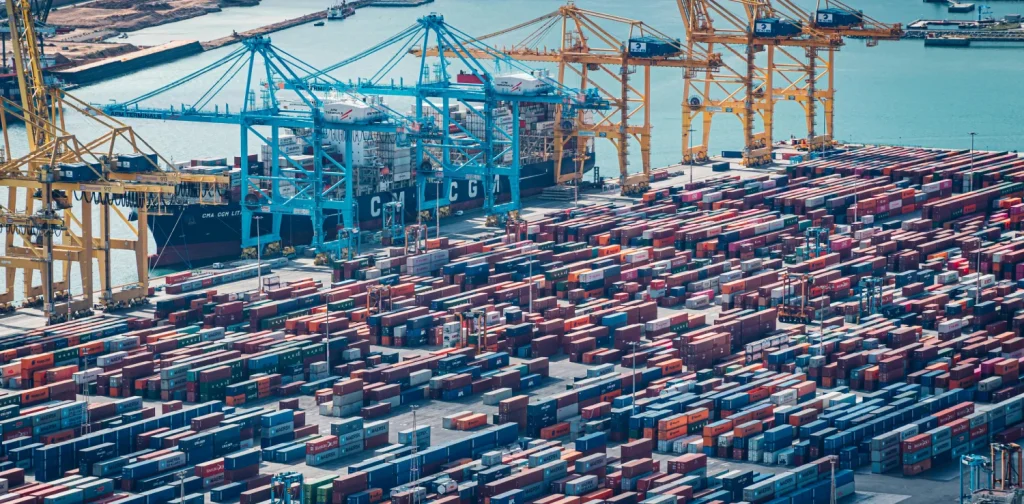
Photo: James Heming on Pexels.
For most of the past three decades, the logic of global supply chains was straightforward: find the cheapest way to make something and get it where it needed to go as fast as possible. For a long time, it worked remarkably well, at least on the surface. Then, as the COVID-19 pandemic hits, geopolitical tensions escalate, and climate-related disruptions start arriving with unsettling regularity, the fragility of that model becomes impossible to ignore. Businesses are now in the middle of a genuine rethink. On the other side of this pathway supply chain resilience has moved from a niche risk management concept to one of the most urgent priorities in global commerce.
The Case for Supply Chain Resilience
The numbers tell a striking story. Between 2023 and 2024, global supply chain disruptions surged by nearly 40%, driven by geopolitical tensions, new trade barriers, and extreme weather events. A 2024 survey found that 62% of global logistics leaders expect large-scale disruptions to be a recurring feature of doing business. Not a once-in-a-generation shock to recover from, but something to permanently plan around.
The response has been a real shift in strategy. Companies are spreading risk across multiple suppliers in multiple regions, moving production closer to end markets, and accepting inventory buffers that would have seemed wasteful just a few years ago. A 2025 Deloitte study projected that 40% of US companies would relocate at least part of their supply chains to North America by 2026, with nearshoring and reshoring emerging as the strategies of choice for businesses trying to reduce their exposure to distant disruptions.
Resilience and Sustainability: An Unexpected Overlap
What makes this shift particularly interesting from a development perspective is where it is starting to intersect with sustainability. As companies bring production closer to home or diversify into new regions, some are simultaneously rethinking the environmental and social dimensions of how they source and move goods.
Research published in the Journal of Lifestyle and SDGs Review finds that sustainable supply chain management, when genuinely implemented, leads to reduced environmental impact alongside stronger operational performance. Local sourcing, for instance, has emerged as a strategy that cuts transportation emissions while also channeling economic activity into local communities. A peer-reviewed study linking supply chain restructuring to the UN’s Sustainable Development Goals identifies SDG 8 (Decent Work), SDG 9 (Industry and Innovation), SDG 12 (Responsible Consumption), and SDG 13 (Climate Action) as the frameworks most directly shaped by how businesses choose to organize their supply chains going forward.
Persisting Barriers
That said, the resilience narrative deserves some scrutiny, because it is not evenly true, and not everyone benefits equally from this shift. Building more resilient supply chains costs money. The Federal Reserve Bank of Richmond is candid about this: resilience strategies are inherently expensive and will likely push up input prices, with those costs passed unevenly down supply chains and eventually to consumers. The OECD’s 2025 Supply Chain Resilience Review goes further, warning that aggressive efforts to relocalize supply chains could reduce global trade by over 18% and shrink global GDP by more than 5%. Unfortunately yet unsurprisingly, this is a set of outcomes that would fall hardest on developing economies that have built themselves around trade.
Smaller businesses face a particularly difficult version of this problem. A study on supply chain risk among SMEs in ASEAN countries found that limited finances, weak technological capabilities, and a lack of dedicated expertise make meaningful resilience investment genuinely out of reach for many smaller firms. Alarming, as those are precisely the businesses that form the backbone of most developing economies. Resilience, at least in its current form, risks becoming something only large corporations can actually afford.
How supply chains get restructured over the next decade will matter far beyond the companies making these decisions. When large corporations reshore production or shift sourcing toward politically “friendly” countries, investment is inevitably redirected away from lower-income nations that built their development models around being part of global supply networks. A review of global supply chain shocks found that countries heavily dependent on commodity exports (particularly across Africa and parts of Asia) are the most affected by recent disruptions. They also remain the most structurally exposed to whatever new configuration takes hold.
Questionable Path?
The push for supply chain resilience reflects something real and important about how the world has changed. But resilience designed primarily to protect wealthy-country firms, at the cost of trade relationships that poorer countries depend on, is not a development success story. It is, at best, a redistribution of risk, and at worst, a quiet deepening of a global divide.
Editor: Nazalea Kusuma

Co-create positive impact for people and the planet.
Amidst today’s increasingly complex global challenges, equipping yourself, team, and communities with interdisciplinary and cross-sectoral insights on sustainability-related issues and sustainable development is no longer optional — it is a strategic necessity to stay ahead and stay relevant.
 From European Heat to the Himalayan Flood: The Transboundary Nature of Climate Risk
  Noise Pollution Is Making Us Sick, and Climate Change Is Making It Worse
  Beyond Fashion: The Environmental Cost Behind Animal Leather
  Addressing the Hidden Risk of Microplastics from Offshore Infrastructures
  Addressing Antimicrobial Resistance as More Than a Medical Issue
  Holding Harmful Industries Liable for Harm to Human Life and the Environment