

Inside Europe’s Heated Debate Over Air Conditioning and How to Stay Cool
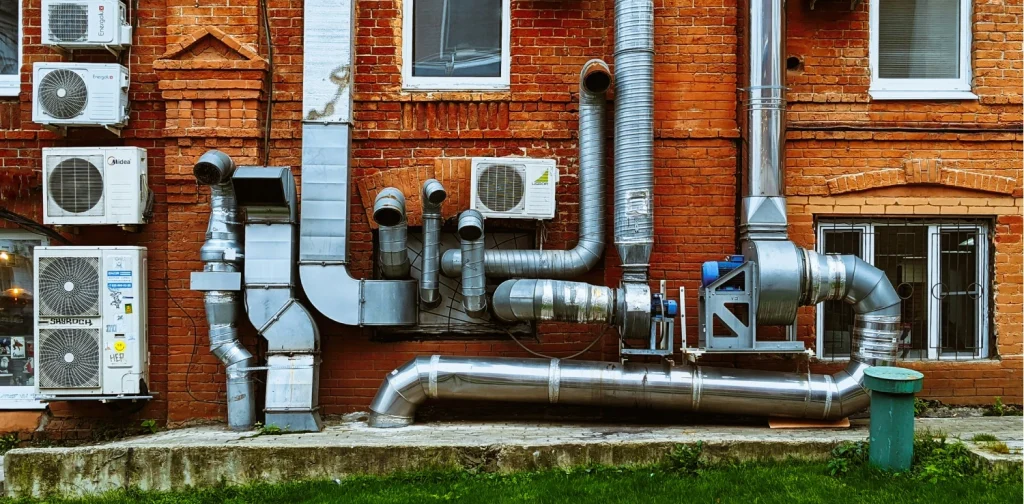
Photo: Vadim Babenko on Unsplash.
Climate change brings forth rising temperatures, and the heat is now worse than ever. In June 2026, an extreme heatwave hit Europe and sparked intense public debate. As the death toll soared, the widespread use of air conditioning once again came under intense scrutiny.
The Consequences of the Unprecedented Heatwave
Climate change is making heatwaves both more frequent and more intense worldwide. Rising greenhouse gas emissions continue to play a primary role by trapping heat and driving up global temperatures. In Europe, the June 2026 heatwave is courtesy of hot and dry air from North Africa that has become trapped over Europe, forming a distinct heat dome.
The consequences of this heatwave are evident across all sectors of European life. In terms of infrastructure, extreme temperatures have melted tram tracks in Leipzig, Germany, effectively paralyzing the city’s public transit system. Meanwhile, France was forced to shut down several nuclear reactors because the river water used to cool the facilities grew dangerously warm.
Public health and safety are similarly under threat. The World Health Organization (WHO) has recorded more than 1,300 heat-related deaths since June 21, including accidental drowning from individuals attempting to cool off in open water. Among the casualties, citizens over the age of 75 remain the most vulnerable.
These issues are severely compounded by the structural reality of European housing. On average, residential buildings across the continent are decades or even centuries old and specifically built for a much colder climate. While their original architectural purpose was to trap warmth indoors, climate change has instead turned these buildings into giant ovens. Even after the outdoor temperature lowers significantly, indoor temperature can remain much higher than the air outside.
The Issue with Air Conditioning
There is a remedy to heat that seems entirely obvious to residents of other continents: air conditioning units. However, this solution is a deeply controversial issue among Europeans. Currently, only 20% of households across the continent own an air conditioning unit. Even some medical facilities are without air conditioning. In Germany, for instance, air conditioning is typically reserved for intensive care units, leaving at least two-thirds of all hospitals without cooling systems.
Proponents argue that air conditioners have become a vital necessity, playing a crucial role in maintaining livable conditions and sustaining human productivity during severe heatwaves. However, critics view the adoption of air conditioning as a distinct paradox. These cooling units function by expelling heat directly into the atmosphere, which actively worsens the broader climate crisis. Additionally, a massive influx of cooling systems would spike electricity consumption and severely strain the power grids.
Beyond the environmental debate, installing air conditioning units in existing European infrastructure presents a massive logistical hurdle. The vast majority of these buildings possess significant historical and architectural value and are protected by rigid preservation laws. Consequently, any proposed modification requires formal permission. This means property owners who want to install air conditioning units must go through a convoluted bureaucratic maze managed by local heritage preservation authorities.
The Cost of Cooling
Unfortunately, alternative heat solutions remain far too expensive or too long-term. Take the green building route, for instance. New buildings can be architecturally designed to maximize natural airflow or incorporate nature-based solutions. But these structural overhauls are only feasible for new constructions, so their cooling effects will not be felt on a large scale for years to come. The extremely high initial construction costs also put the price far beyond the reach of the average homebuyer, making it impractical to provide immediate and widespread relief.
Simultaneously, climate-friendly cooling technologies face severe financial roadblocks at the household level. Dual-purpose heat pumps, for example, can efficiently heat homes in the winter and cool them in the summer. These should drastically lower overall carbon emissions. Yet despite these benefits, widespread heat pump adoption is currently still hindered by relatively steep upfront installation costs.
On an urban scale, integrated greenery, strategic water features, and municipal relief measures like public misting systems and dedicated cooling centers require massive investments from already strained city budgets. Large-scale district cooling systems have successfully centralized air conditioning in some cities. However, they require massive disruption of circulating chilled water through a vast network of insulated underground pipes. This innovative method demands astronomical upfront capital and years of infrastructure development before it can cool entire complexes of buildings simultaneously.
The Path Forward
These localized delays and financial hurdles highlight a broader, more difficult global reality. While alternative measures take decades to deliver their full benefits, extreme heat claims lives with every passing summer. This leaves governments facing an agonizing policy choice. They must rapidly expand access to immediate cooling relief without driving up dependence on fossil fuels, all while ensuring that protection from dangerous heat does not become a privilege reserved only for the wealthy.
Ultimately, local adaptation measures can only mitigate the immediate negative impacts. They do not address the root causes of the crisis. Without rapid reductions in greenhouse gas emissions, the scale of future warming will inevitably outpace our capacity to adapt.
Climate researchers argue that society can no longer afford to treat these problems as separate challenges. The adaptation and mitigation must be pursued simultaneously. Prioritizing immediate, equitable access to cooling while aggressively accelerating emissions reductions is the only way to limit future warming and save lives.
Editor: Nazalea Kusuma

Co-create positive impact for people and the planet.
Amidst today’s increasingly complex global challenges, equipping yourself, team, and communities with interdisciplinary and cross-sectoral insights on sustainability-related issues and sustainable development is no longer optional — it is a strategic necessity to stay ahead and stay relevant.
 Indonesia’s Greenwashing Diplomacy at COP31 and Beyond
  The Textile Industry Is Growing, and So Is Textile Wastewater
  EESG: We Need a New Economic Narrative for Sustainability in the Age of AI, Energy Crisis, and Geopolitical Divide
  The Continued Struggle for Equality and Dignity in Women’s Sportswear
  Behavior Change for the Planet: Is composting worth it?
  Building Bridges Between Environmental Policy and Mental Health