

The Hidden Gender and Equity Gaps in Public Toilets
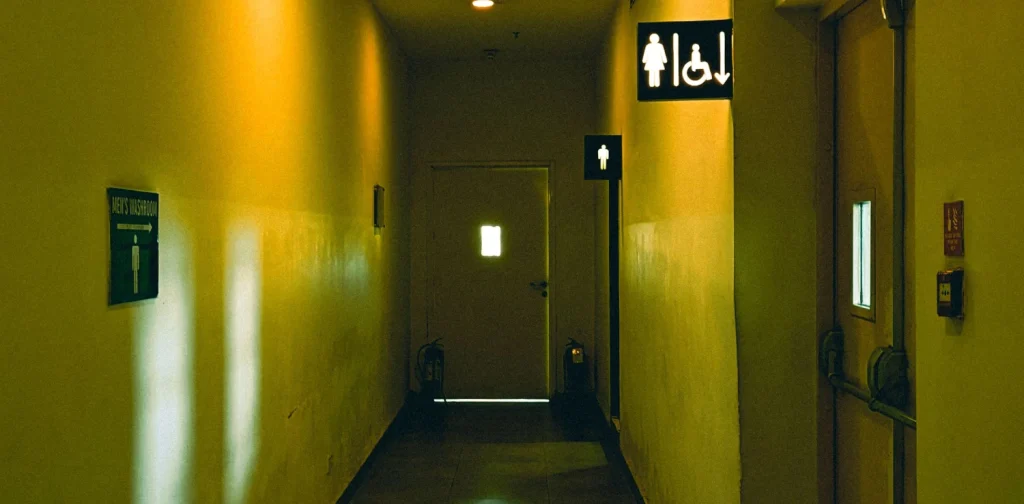
Photo: Shovan Datta on Pexels.
We likely see public toilets as just regular, everyday facilities. Yet for many people, it is not that simple. The reality of access to a clean and timely restroom is far from equal, especially for women. There are gaps that reveal how public infrastructure can unintentionally leave certain groups of people behind, and why beyond availability, rethinking restroom design matters more than it seems.
The Hidden Gender Gap in Public Toilets
Long lines outside women’s restrooms are a familiar sight at malls, stadiums, and train stations. Research shows that women spend an average of 90 seconds per visit, and up to 5-10 minutes when accompanied by a child. Men, by comparison, spend roughly 35 seconds at a urinal and about 60 seconds overall.
This time gap adds up quickly in crowded public spaces. Even when restrooms follow a so-called equal 1:1 ratio between men’s and women’s facilities, studies found that women still wait up to six times longer than men. The gender gap in public toilets, in other words, doesn’t disappear just because the numbers look equal on paper.
Why Equal Isn’t Always Equitable
The root of this gap lies in how restrooms were originally designed. Most building codes were created decades ago, based on the assumption that men and women use toilets at the same pace and frequency. In reality, biological and social factors make restroom visits longer and more frequent for women.
In many public buildings, men’s and women’s restrooms are allocated roughly the same floor area. While this may seem fair, research shows equal space does not necessarily translate into equal access. Men’s restrooms typically combine toilet cubicles with urinals, which require less space and less time to peruse. As a result, the same area can accommodate more users on the men’s side, while women’s restrooms rely entirely on cubicles, limiting the number of people who can use the facilities at one time.
The difference becomes even more apparent when considering how women generally spend longer in restrooms. Factors such as menstruation, pregnancy, breastfeeding, and clothing often increase both the frequency and duration of restroom visits. Women are also more likely to accompany young children or assist family members, adding extra time to each visit. Consequently, a restroom design based solely on equal floor space may appear balanced on paper while creating significantly longer waiting times for women in practice.
Beyond Inconvenience: Health and Inclusion
The consequences of this gap extend beyond discomfort. With long queues, some women must hold their bladder for long periods, which can raise the risk of urinary tract infections and other health complications. For pregnant women, this risk becomes even more significant.
The gap also affects other groups who face exclusion in public sanitation. For instance, people with disabilities frequently face restrooms that are simply not designed with their needs in mind. Studies also highlight that transgender and gender-diverse individuals often encounter barriers or discrimination when trying to access facilities that match their gender identities.
These overlapping challenges show that restroom inequity is not only a women’s issue. And for women whose lived experiences intersect with other vulnerabilities, such as women with disabilities, the struggle compounds. All in all, it is a broader question of how public spaces can serve everyone fairly.
Toward More Equitable Public Toilets
Around the world, some countries have started to recognize that equal restroom provision does not always lead to equal access. Measures such as “potty parity” laws in parts of the United States and Taiwan’s decision to provide free menstrual products reflect a growing awareness of gender needs. While these mark important progress, implementation remains uneven. Many buildings and facilities like parks—old and new—still operate under outdated standards that fail to address persistent disparities.
Creating more equitable public toilets requires looking beyond the number of stalls alone. Women’s facilities need to be designed around how they are actually used. This can mean a range of things, from providing sufficient cubicles to including practical features such as sanitary disposal units, shelves, hooks, and accessible changing facilities. Small design choices can make a significant difference in comfort, safety, and hygiene, particularly for women, caregivers, people with disabilities, and others whose needs have often been overlooked in traditional restroom planning.
Ultimately, closing the gender gap in public toilets starts with listening to the people who use them. Meaningfully involving women and other marginalized communities in urban planning and design can help ensure that public facilities reflect real experiences rather than outdated assumptions. As cities continue to grow, something as ordinary as a well-designed public toilet can become a meaningful step toward creating an urban life that is more inclusive, accessible, and dignified for everyone.
Editor: Nazalea Kusuma

Co-create positive impact for people and the planet.
Amidst today’s increasingly complex global challenges, equipping yourself, team, and communities with interdisciplinary and cross-sectoral insights on sustainability-related issues and sustainable development is no longer optional — it is a strategic necessity to stay ahead and stay relevant.
 From European Heat to the Himalayan Flood: The Transboundary Nature of Climate Risk
  Noise Pollution Is Making Us Sick, and Climate Change Is Making It Worse
  Beyond Fashion: The Environmental Cost Behind Animal Leather
  Addressing the Hidden Risk of Microplastics from Offshore Infrastructures
  Addressing Antimicrobial Resistance as More Than a Medical Issue
  Holding Harmful Industries Liable for Harm to Human Life and the Environment