

Addressing the Hidden Risk of Microplastics from Offshore Infrastructures
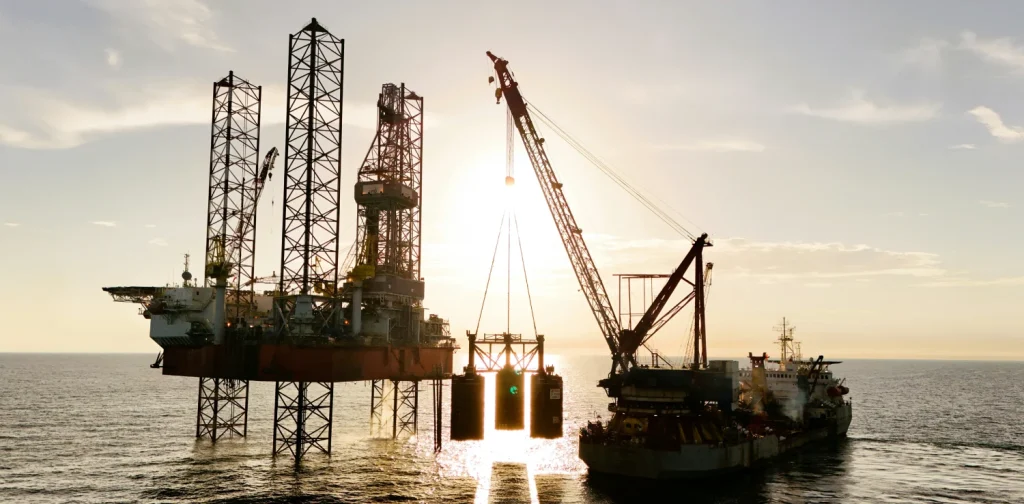
Photo: J.f Manzanero on Unsplash.
The oil and gas industry has played a vital role in meeting global energy needs and maintaining economic stability. Along the line now, many of these facilities have been decommissioned—either because they have reached the end of their operational life or to support global decarbonization efforts. However, besides being a primary source of greenhouse gas emissions that drive global warming when active, the decommissioning also introduces a distinct environmental risk. Research shows that subsea pipes and cables of decommissioned offshore infrastructures are polluting oceans with microplastics.
The Decommissioning of Oil and Gas Offshore Facilities
Across the globe, roughly 12,000 offshore platforms and 200,000 kilometers of subsea pipelines span the waters of over 50 nations. These oil and gas facilities typically operate for over two decades before reaching retirement. Plus, global decarbonization initiatives are pushing for the phase-out of this industry.
The decommissioning of the offshore oil and gas facilities can be done through several methods. Structures may be lifted completely or partially. They may also be relocated, abandoned in deep waters, or dismantled directly on the seabed.
The choice remains largely unchallenged and unregulated so far, leaving it up to corporations to decide. Unsurprisingly, different decisions result in different outcomes. Infrastructures left behind in the marine environment pose a specific, additional threat long after their lives. A study by researchers at the University of Plymouth and North Carolina State University highlights this specific risk, evaluating how in-situ decommissioning practice contributes to microplastic pollution across the UK Continental Shelf (UKCS).
Microplastics Pollution from Offshore Infrastructures
The plastic material of subsea pipes and cables constantly faces abrasion and degradation during its operational lifespan. This continues after retirement, particularly in the case of in-situ decommissioning options. They are simply left behind at their original locations, without maintenance or even monitoring. Over time, the plastics from these unremoved facilities will accumulate before eventually breaking down into microplastics and nanoplastics.
According to the study, the total mass of plastics from pipelines and cables on the UK Continental Shelf reaches an estimated 218,905 tonnes. Out of this total, only about 45% will be removed from the marine environment. The remaining 55% will likely stay in place and degrade into microplastics, which poses a serious ongoing risk to the ocean ecosystems.
Until now, the risks of plastic pollution associated with offshore oil and gas facilities remain poorly understood. This is due to a lack of attention and evidence regarding the degradation processes of plastics, the formation of microplastics, and their contribution to marine pollution. The neglect intensifies specifically for those originating from offshore infrastructures of the oil and gas industry.
Risk levels depend directly on how heavily local organisms interact with these degrading materials. Benthic species, like mollusks and crustaceans, face the highest exposure from subsea structures. Microplastic contamination can impair their development, survival, growth, behavior, reproduction, and feeding habits. These impacts also have the potential to extend beyond the health of individual organisms and threaten human food security.
Developing Adaptive Policies for Infrastructure Removal
Plastic components from offshore oil and gas infrastructures present significant environmental risks. As climate change worsens, there is also a compounding need to decommission them to accelerate fossil fuel phase-out as part of the broader decarbonization efforts. However, the decommissioning must be handled with extreme care to ensure the chosen removal strategies also actively minimize other potential risks, including long-term plastic pollution.
Current regulatory frameworks still need to integrate plastics risks effectively. This would require new tools like risk-based indicators and standardized material rules. Additionally, if infrastructures are removed from the seabed, the availability of adequate waste management facilities and recycling systems is an absolute requirement to ensure that environmental threats are not transferred to land-based areas.
Building these frameworks depends heavily on robust scientific data and broad stakeholder cooperation. And ultimately, policy and regulation must adapt continuously as researchers discover new scientific insights. Legally narrowing the possibility of action—or lack thereof—that harms is the most fundamental way to ensure the corporate accountability of oil and gas companies to the end of their facilities’ life cycles.
Editor: Nazalea Kusuma

Co-create positive impact for people and the planet.
Amidst today’s increasingly complex global challenges, equipping yourself, team, and communities with interdisciplinary and cross-sectoral insights on sustainability-related issues and sustainable development is no longer optional — it is a strategic necessity to stay ahead and stay relevant.
 Addressing Antimicrobial Resistance as More Than a Medical Issue
  Holding Harmful Industries Liable for Harm to Human Life and the Environment
  Clearing the Air of Despair Surrounding the Climate Crisis with Data
  How Do Wild Animals Survive Wildfires?
  How Losing Sleep Is a Climate and Equality Issue
  How the Cost of Living Crisis Is Pushing People Away from Sustainable Choices