

Beyond Fashion: The Environmental Cost Behind Animal Leather
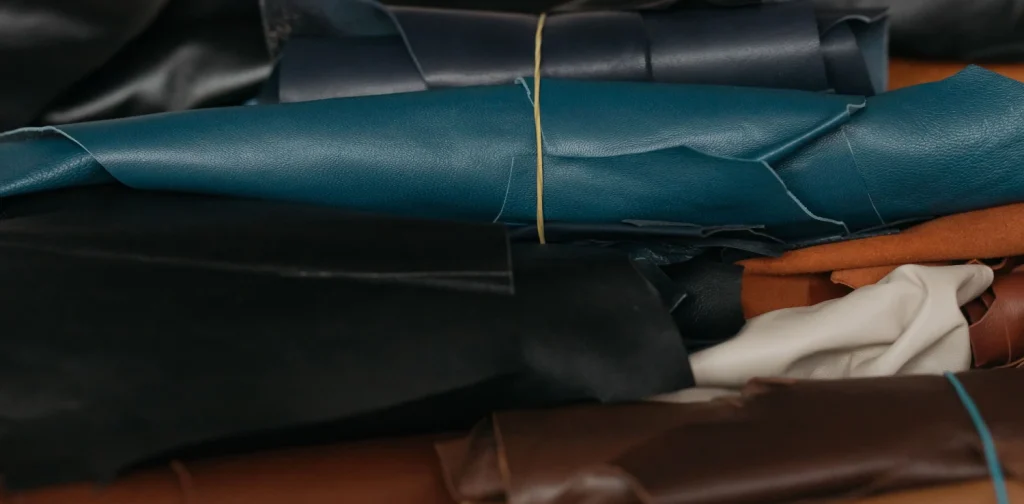
Photo: cottonbro studio on Pexels.
Leather has long been associated with ]durability, craftsmanship, and even luxury. Yet, behind products made from animal hides lies a complex supply chain that can affect water, forests, climate, and biodiversity in ways that are often invisible to consumers. These impacts make animal leather more than a fashion material, connecting its production to broader questions of biodiversity conservation and environmental sustainability.
The Appeal and Concern of Leather
Since long before leather became associated with luxury fashion, Indigenous communities around the world have been using animal hides as practical materials for clothing, footwear, tools, and ceremonial objects. In North America, for example, hides from animals such as caribou and moose were traditionally made into footwear. Meanwhile, Inuit communities used caribou and seal skins for clothing suited to cold environments.
Today, animal leather remains widely used across fashion. From everyday shoes and jackets to luxury handbags and accessories, leather is used across different segments of the industry. Exotic skins, including crocodile, python, and lizard, occupy a more exclusive niche, valued for their rarity and distinctive patterns. But rarity comes with ecological price.
The most obvious concern about animal leather is, of course, the animals. The welfare and sustainability of animals whose skins we end up wearing as clothing has been a topic of debate for years, even decades. The issue enters dangerous territory especially for leather made from wildlife or endangered species.
The Environmental Cost of Animal Leather
A less popular yet no less important issue is the environmental cost. Most leather comes from cattle, sheep, and goats, with hides largely obtained as a by-product of the meat industry. However, turning animal hides into a durable fashion material requires several stages, including processing and tanning. The process, especially at a large scale, involves significant amounts of water, land, energy, and chemicals.
A major environmental impact of leather production comes from tanning. The tanning process chemically alters the protein structure of hides and skins to make them more durable and prevent decay due to putrefaction. The vast majority of global leather production today relies on chrome tanning. However, only 60–70% of the chromium applied is absorbed by the hide, leaving the remainder to enter wastewater.
Leather production itself already uses a lot of water. Then, the matter of wastewater further adds to the broader water burden of the industry. Animal leather production generates an estimated 600 million m3 of wastewater globally each year. Yet, only around 350 million m3 is reportedly treated before discharge. With around 60% of global leather production concentrated in Asia, proper wastewater management is crucial for the region.
The link between leather and ecology becomes even more visible through cattle ranching and land-use change. In the Amazon, cattle ranching is a major driver of deforestation. It clears forests that provide habitat for thousands of species while releasing carbon stored in vegetation and soil. One life-cycle assessment estimates that producing one square meter of finished leather generates about 22.48 kg of CO₂e, about the same amount a fossil-fueled car generates for a 90 km trip. Notably, 68% of this emission comes from upstream ranching itself.
Impact and Scale
Of course, not all animal leather stands equal. The scale of that impact varies significantly depending on who is producing the leather and how.
Large-scale industrial operations, which account for the vast majority of global leather supply chains, tend to carry the heaviest footprint. They carry the chrome tanning’s chemical load combined with the deforestation risks tied to industrial cattle ranching.
On the other hand, many artisan producers use vegetable tanning instead. Vegetable tanning has been in use since ancient times, using tannins derived from plants such as tree bark and wood instead of chromium salts. The process produces biodegradable wastewater with a significantly lower chemical load. Tuscany’s Santa Croce district, for instance, accounts for over 65% of Europe’s high-quality vegetable-tanned leather. Meanwhile, Morocco’s ancient tanneries in Fez have applied similar plant-based methods for close to a thousand years.
Toward More Sustainable Practices
As concerns over leather’s environmental footprint grow, the industry is exploring ways to reduce impacts at the production stage. Besides plant-based tanning mentioned before, tanneries are exploring other chrome-free processes. For example, they use alternatives including aldehydes and other synthetic tanning agents. These approaches can reduce reliance on chromium, but they are not completely impact-free. They still require careful management of chemicals, water, and wastewater. Adoption also depends on the capacity of tanneries as well as environmental regulations.
Changes are also emerging through circular production and alternative materials. Upcycling leather off-cuts and recycling used leather can keep materials in circulation for longer, reducing waste and the need for new raw materials. Research and development across the industry are also looking into plant-based “leather” alternatives from materials such as agricultural waste.
However, assessing these alternatives requires more than looking at whether they contain animal materials. Their environmental performance depends on resource use, production methods, durability, and end-of-life management.
For individual consumers, the key is making more informed choices. Therefore, there must be greater supply-chain transparency alongside stronger collaboration between the fashion industry, environmental experts, policymakers, and communities affected by leather production.
Editor: Nazalea Kusuma

Co-create positive impact for people and the planet.
Amidst today’s increasingly complex global challenges, equipping yourself, team, and communities with interdisciplinary and cross-sectoral insights on sustainability-related issues and sustainable development is no longer optional — it is a strategic necessity to stay ahead and stay relevant.
 Addressing the Hidden Risk of Microplastics from Offshore Infrastructures
  Addressing Antimicrobial Resistance as More Than a Medical Issue
  Holding Harmful Industries Liable for Harm to Human Life and the Environment
  Clearing the Air of Despair Surrounding the Climate Crisis with Data
  How Do Wild Animals Survive Wildfires?
  How Losing Sleep Is a Climate and Equality Issue