

Salt in the Wound: Cautioning Saltwater Intrusion amid Global Water Crisis
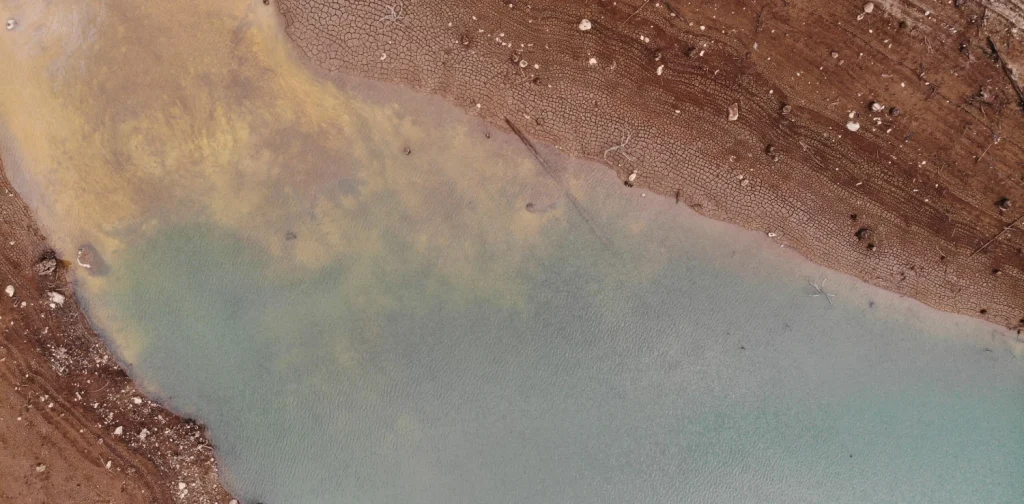
Photo: Frank Brannen on Pexels.
Amid drying rivers and sparse rainfall, the need to secure fresh water supply has never been more urgent. However, another threat lurks in the horizon: saltwater is encroaching underground water reservoirs. Known as saltwater intrusion, this ‘silent’ crisis strikes multiple vital sectors in our lives.
A System Under Pressure
Out of all water on Earth, fresh water makes up only 2.5% of it. This small but essential portion supports crop irrigation, our drinking and cooking, and ecosystem health.
However, this vital resource is almost collapsing under growing needs that leads to overextraction. Agriculture, for instance, expands as populations grow. The sector roughly uses 70% of fresh water withdrawals. Around 10% of the global population already lived in countries with high or critical water stress in 2024. Even more alarmingly, UN experts have warned of a water bankruptcy, where damages may be irreversible and restoration infeasible.
Climate change is making the situation worse as it aids the occurrence of saltwater intrusion. Rising sea levels caused by melting glaciers and ocean heat is pushing saltwater deeper into coastal groundwater systems. In an article published at The Conversation, coastal hydrogeologist Holly Michael compares this water dynamics to a seesaw.
“A push from the land side, such as heavy rainfall or high river flows, moves the balance point seaward. A push from the sea side—whether it’s sea-level rise, storm surge or high tides—moves the balance point landward.”
At places where fresh water pressure is low due to overextraction, saltwater can intrude further and increase salt concentration in the mix. This makes water unsafe for consumption and irrigation.
Cascading Threats
Saltwater intrusion is a growing threat for many of our vital sectors. Too much salt in the water and soil reduces crops’ ability to absorb nutrients, water, and carbon dioxide necessary for plant growth.
In Vietnam’s Mekong Delta, saline water went as far as 90 kilometers inland in coastal areas as severe drought led to serious groundwater depletion in 2016. The area is known as the country’s agricultural hub, producing the majority of its staple produce like rice, fruits, and vegetables. The drought affected around 230,000 hectares of rice and led 1.75 million people out of income. According to the World Bank, the repeated patterns of drought and saltwater intrusion in the delta are reversing the existing progress of poverty reduction.
Farmers and coastal communities in Indonesia, The Gambia, and the US face similar issues. In fact, research projects that around 41 nations across all continents except Antarctica will have at least one coastal segment with over one kilometer of inland saltwater intrusion by 2050. Seven of them are identified as having higher vulnerability, all located in South and Southeast Asia.
On top of disrupting agriculture, the salinization of fresh water also directly affects drinking water. In Sulawesi, Indonesia, seawater has entered dozens of ground wells and made it undrinkable. The condition forced communities to depend on buying water by gallons and collect rainwater whenever possible.
Additionally, when people consume this “salted” water due to their lack of knowledge or resources to buy water, their health may be at stake. Salt intake is commonly associated with high blood pressure, a key risk factor for cardiovascular diseases, chronic kidney disease, and dementia. This health burden, too, adds to the fragility of our water systems against climate change impacts.
Facing Saltwater Intrusion
One way to manage saltwater intrusion is by building physical barriers between fresh water aquifers and the sea. Subsurface dams, like the ones built in Japan, offer a viable option to both store groundwater for agriculture and keep saltwater at bay. Other forms of underground barriers include cut-off walls embedded on top of aquifers and fully penetrating barriers placed throughout the entirety of aquifers.
Furthermore, managing water supply by intentionally recharging aquifers, developing alternatives such as rainwater harvesting, and regulating water extraction and allocation is also crucial. Ecosystem conservation, such as restoring mangroves, wetlands, and coastal sand dunes, will also act as natural buffers against storm surges, floods, and saltwater intrusion.
If contamination ends up happening, communities can adapt through building desalination facilities, adjusting irrigation methods, and switching to salt-tolerant seeds. These mitigation and adaptation measures hinge on countries’ disaster management capacity, including preparedness, responses, and recovery measures against drought and other hazards.
Editor: Nazalea Kusuma

Co-create positive impact for people and the planet.
Amidst today’s increasingly complex global challenges, equipping yourself, team, and communities with interdisciplinary and cross-sectoral insights on sustainability-related issues and sustainable development is no longer optional — it is a strategic necessity to stay ahead and stay relevant.
 The Continued Struggle for Equality and Dignity in Women’s Sportswear
  Behavior Change for the Planet: Is composting worth it?
  Building Bridges Between Environmental Policy and Mental Health
  We May Surpass 1.5°C Soon, But We Can Do Something About It
  From European Heat to the Himalayan Flood: The Transboundary Nature of Climate Risk
  Noise Pollution Is Making Us Sick, and Climate Change Is Making It Worse