

Waste-to-Methanol, a Potential Sustainable Solution for Waste and Energy
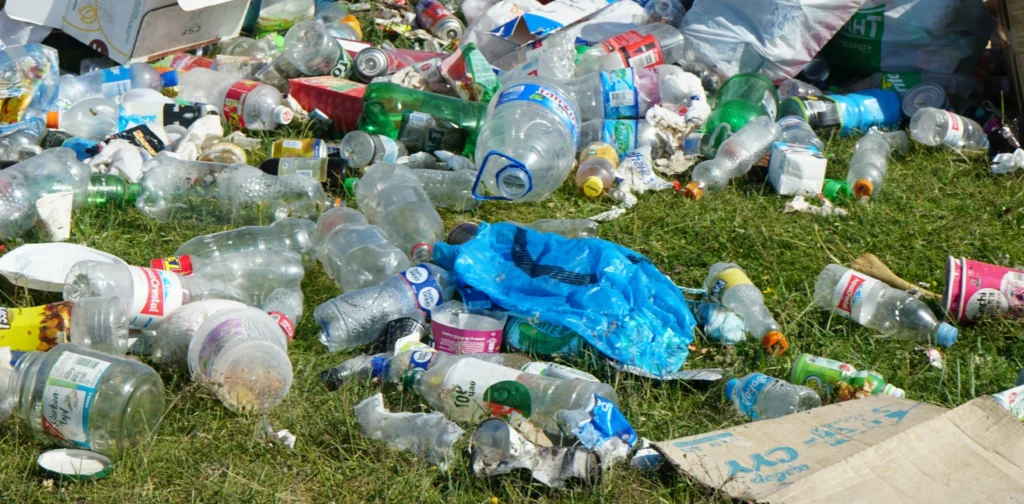
Photo: Ariungoo Batzorig on Unsplash.
Every day, cities and industries around the world produce massive amounts of waste. Landfills are filling up, and trash is polluting our waters, affecting both environmental and human health. At the same time, the demand for cleaner and more sustainable fuels is growing, as the world is looking to decarbonize. Thus, innovative solutions are emerging that turn waste into something useful. One promising approach is Waste-to-Methanol (WtM), a process that converts different types of waste into methanol.
What is Waste-to-Methanol?
Waste-to-Methanol (WtM) is an advanced waste conversion process that transforms discarded materials into methanol, a valuable fuel and industrial chemical. Instead of sending waste to landfills or incineration, this technology treats waste as a resource, converting it into a product that can be used across multiple sectors. This means that the technology addresses two major challenges at once: waste management and clean energy production.
The process typically uses feedstocks such as municipal solid waste, non-recyclable plastics, and other residual materials that cannot be easily reused or recycled. These wastes are subjected to high-temperature treatment, which breaks them down into a synthesis gas (syngas) composed mainly of hydrogen and carbon monoxide. This syngas is then cleaned and catalytically converted into methanol.
The resulting methanol is a versatile liquid that can be integrated into existing fuel and chemical infrastructure. Compared to fossil fuels, methanol’s combustion properties can result in lower emissions while improving fuel efficiency. So, it can be a cleaner fuel option for vehicles, ships, and industrial applications, particularly in sectors seeking to decarbonize. Beyond its role in the energy sector, methanol is a vital feedstock in the manufacture of formaldehyde, acetic acid, and numerous other chemicals.
Waste-to-Methanol Projects Around the World
Across the globe, WtM projects are moving beyond the conceptual stage into pilot, demonstration, and early commercial deployment. These initiatives are most prominent in regions with ambitious waste management regulations, circular economy strategies, and decarbonization targets.
Europe has emerged as a key hub for large scale WtM developments. Across the continent, many projects are currently under development and expected to commence operations within the next few years.
In Tarragona, Spain, the Ecoplanta project stands out as one of the world’s first commercial-scale facilities for converting municipal solid waste directly into methanol. Expected to begin operation in 2029, the plan will process around 400,000 tons of non-recyclable waste annually to produce approximately 240,000 tons of methanol. This should avoid an estimated 3.4 million tons of carbon dioxide emissions over a decade.
Similarly, Denmark is also advancing Waste-to-Methanol through the Power-to-X pathway. Power-to-X captures carbon dioxide from waste incineration and combines it with green hydrogen to produce up to 130,000 tons of green methanol annually. This approach primarily targets the decarbonization of maritime transport.
Meanwhile, in Asia, Japan has also made notable advances. JFE Engineering Corporation and Mitsubishi Gas Chemical Company successfully conducted a demonstration test of a carbon dioxide capture and utilization (CCU) process, synthesizing methanol from carbon dioxide capture from waste incineration exhaust gas.
The Future of Waste-to-Energy
The future of Waste-to-Methanol technology is promising, but not without challenges. Key barriers include high upfront capital costs, complex plant integration, and the need for advanced gasification, carbon capture, and synthesis technologies. In addition, operating such facilities requires highly skilled personnel and robust supply chains for both waste feedstock and renewable energy inputs. These factors currently limit WtM projects to regions with strong industrial capabilities and supportive policy frameworks.
Despite these hurdles, momentum behind Waste-to-Methanol is steadily increasing. As more pilot and commercial-scale projects come online, technological learning and standardization should drive down costs and improve efficiency. Larger-scale deployment will benefit from economies of scale, while ongoing innovation in catalysts, system integration, and digital plant optimization will further enhance performance.
Governments also play a critical role. They can support the progress through funding programs, carbon pricing mechanisms, renewable fuel mandates, and circular economy policies. Beyond that, public understanding and social acceptance will be crucial for the long-term success of the projects. Transparent communication about environmental benefits, emissions controls, and the role of Waste-to-Methanol in waste management can help build trust and community support.
Transforming non-recyclable waste into a valuable low-carbon fuel has the potential to address multiple pressing global challenges. As these technologies mature, waste-to-energy mechanisms may become a cornerstone for a more circular and climate-resilient energy future for all.
Editor:Nazalea Kusuma

Co-create positive impact for people and the planet.
Amidst today’s increasingly complex global challenges, equipping yourself, team, and communities with interdisciplinary and cross-sectoral insights on sustainability-related issues and sustainable development is no longer optional — it is a strategic necessity to stay ahead and stay relevant.
 Agrihoods: Integrating Farms and Urban Neighborhoods into Sustainable Communities
  Women in Waste Management: Asia’s Circularity Runs on Women. Its Policies Still Don’t
  Embracing the Business Value of Sustainability
  American Farmers Call for Government Support Amidst PFAS Contamination
  Asia Pacific’s SDG Progress Faces Major Setbacks
  Exploring the Bidirectional Relationship Between Olympic Games and the Environment