

Bali Implements Tourism Tax to Protect Its Culture and Environment

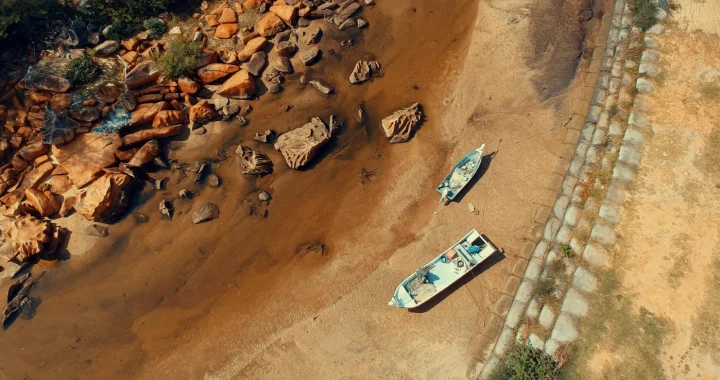
Photo: Aditya Nara on Unsplash.
The growing number of tourists visiting Bali, Indonesia, has positively impacted the country’s tourism sector and supported industrial growth and employment opportunities. However, the growth has also negatively affected the island’s environment and socio-cultural landscape. To tackle this issue, the Balinese government implemented a tourism tax for foreign tourists to prevent overtourism, improve services and facilities, and preserve the island’s culture and nature.
How Overtourism Impacts Bali
Data from Bali’s Central Bureau of Statistics revealed that in 2019, before the COVID-19 pandemic, 5.3 million foreign tourists and around 10 million domestic tourists visited Bali. Meanwhile, approximately 4.4 million local Balinese live on a 5,780-square-meter island.
The high number of tourists creates crowds in popular tourism destinations, congestion in multiple areas, exploitation of natural resources, and deteriorating quality of public spaces and services. Overall, unsustainable area development and limited infrastructure capacity have caused gentrification, decreasing agricultural land, increasing waste volume, and ecosystem degradation in several locations in Bali. How?
The presence of foreign businesses in main tourism sites also leads to increasing land and housing prices, forcing local people to move into suburban and remote areas. This has widened the inequality gap among the people in Bali. Expensive living costs also drive people to sell their lands to developers, which can destroy the island’s agricultural land and forest areas.
Overtourism also negatively impacts Bali’s environment and local culture. The current socio-cultural landscape has forced local communities to change and become marginalized in their own land. Traditional customs and practices are often commodified for commercial purposes to attract visitors. This can erode the traditional lifestyles of the Balinese people. Therefore, cultural restoration is needed.
Tourism Tax for Foreigners
From February 2024, foreigners who visit Bali must pay tourism tax. The Bali Provincial Government implements this policy to improve the quality of services and facilities on the island, such as infrastructure, transportation, and tourism information; implement better waste management; and preserve the island’s cultural and natural resources.
The payment can be made online through Lovebali’s website or a mobile application. Foreign tourists who have not yet paid the tourism tax online can pay directly at the booth available at Bali’s international airport and port and at the accommodation, tourism agents, and tourism sites. The tourism tax is paid once in Bali before they leave Indonesia.
Those failing to pay the tax can be sanctioned verbally, recorded in Lovebali’s system, and with written warnings through their country representatives. Several exemptions exist for this tax, including diplomatic visa holders and those who hold stay permit cards.
More Efforts Needed
Beyond the tourism tax, more efforts are needed to tackle the overtourism issue in Bali, such as restrictions or quotas in certain tourist areas, restrictions on building permits for hotels or villas in dense areas, diversification of tourist destinations, and empowerment of local communities in tourism management. Additionally, educating tourists through campaigns and providing information is crucial to encourage responsible tourist behavior during their visits.
Even though it poses many challenges, high tourist visits can be an opportunity for economic growth and infrastructure development. With proper management, the negative impacts of overtourism can be prevented or minimized. Collaboration and synergy between the business world and the government are needed so that Bali remains a quality and sustainable tourist destination.
Translator: Kresentia Madina
The original version of this article is published in Indonesian at Green Network Asia – Indonesia.
 The Warning Signals of Climate Change
  How Land Use and Climate Change Shape the Increasingly Precarious Balance of Global Deadwood Stocks
  The Injustice of Climate Finance: How Climate Change Is Draining Developing Nations
  The Need for One Health in Conservation
  Opportunities and Challenges in Implementing Biodiversity Credits for Biodiversity Financing in Indonesia
  How Climate Change Is Redrawing The Food Map