

Establishing High Seas Conservation with the BBNJ Agreement

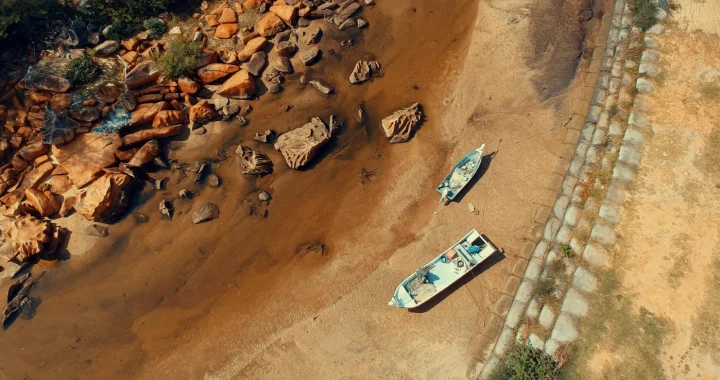
Photo: Anna Tikhonova on Unsplash.
Oceans are vast and deep, storing valuable ecosystems, resources, and potential. However, oceans, particularly those outside national boundaries without clear regulations, are vulnerable to exploitation, which could lead to serious damage below water and on land. In this light, the BBNJ Agreement was established to protect plants, animals, and ecosystems in the high seas.
Opportunities and Issues
Oceans are home to more than 260,000 different species, and many more to be discovered. The massive body of water is also a key pillar of some of the most essential sectors globally, from food to trade, and supplies half of the oxygen we breathe.
In the wake of energy transition strides to reduce emissions, oceans have been increasingly recognized for their potential mineral resources buried deep beneath the surface. Many are looking into the prospect of deep-sea mining to help answer the skyrocketing demand for critical minerals, in addition to the mining done on land.
Without clear regulations, this could potentially lead to the issue of overexploitation, as happened on land. Furthermore, oceans are already brimming with multiple issues, from pollution to overfishing, which lead to ecosystem degradation and biodiversity loss. As human and environmental health are connected, ocean degradation will have rippling effects on the people.
“The ocean contains a constellation of interconnected ecosystems,” said Susan Gardner, the Director of the Ecosystems Division at the United Nations Environment Programme (UNEP). “Biodiversity loss in the high seas could prove devastating for the billions of people along the world’s coasts who rely on the ocean for their livelihoods.”
The BBNJ Agreement
In 2023, the Intergovernmental Conference on Marine Biodiversity of Areas Beyond National Jurisdiction adopted the Agreement under the United Nations Convention on the Law of the Sea on the Conservation and Sustainable Use of Marine Biological Diversity of Areas beyond National Jurisdiction (BBNJ Agreement).
With conservation and sustainability as its primary values, the BBNJ Agreement aims to encourage the sustainable use of marine biological diversity areas beyond national jurisdiction through effective implementation and international coordination. There are four main issues to be addressed:
- Fair and equitable sharing of benefits for marine genetic resource usage
- The implementation of area-based management tools, including marine protected areas
- Environmental impact assessment requirements for companies planning on conducting large-scale commercial activities
- Capacity-building and the transfer of marine technology between countries
Furthermore, the BBNJ Agreement also establishes a funding mechanism and institutional arrangements. According to Angelique Pouponneau and Torsten Thiele, Co-Chairs of the BBNJ Finance Advisory Group, the BBNJ Agreement’s special fund offers an opportunity for blended financing, with contributions from philanthropy, business impact investments, and other private entities. This financing method could potentially answer challenges in high seas conservation.
International-Scale Actions
International coordination and cooperation serve as a central foundation to support sustainable development and halt crises. The BBNJ Agreement was adopted by the 193 United Nations Member States, but still needs to be ratified by 60 national governments before coming into force. Twenty-one countries had ratified the agreement as of March 2025, and the ratification period will be open until September 2025.
Editing: Nazalea Kusuma

Kresentia Madina
Madina is the Assistant Manager of Stakeholder Engagement at Green Network Asia. She holds a bachelor’s degree in English Studies from Universitas Indonesia. As part of the GNA In-House Team, she supports the organization's multi-stakeholder engagement across international organizations, governments, businesses, civil society, and grassroots communities through digital publications, events, capacity building, and research.
 Conservation Paradox: Managing the Overabundance of Endangered Koalas in South Australia
  Green Burnout: Sustainability Workers and Climate Activists Are Quietly Falling Apart
  The Warning Signals of Climate Change
  How Land Use and Climate Change Shape the Increasingly Precarious Balance of Global Deadwood Stocks
  The Injustice of Climate Finance: How Climate Change Is Draining Developing Nations
  The Need for One Health in Conservation