

Finland Advances Coal Phase-Out by Closing the Last Active Coal Power Plant
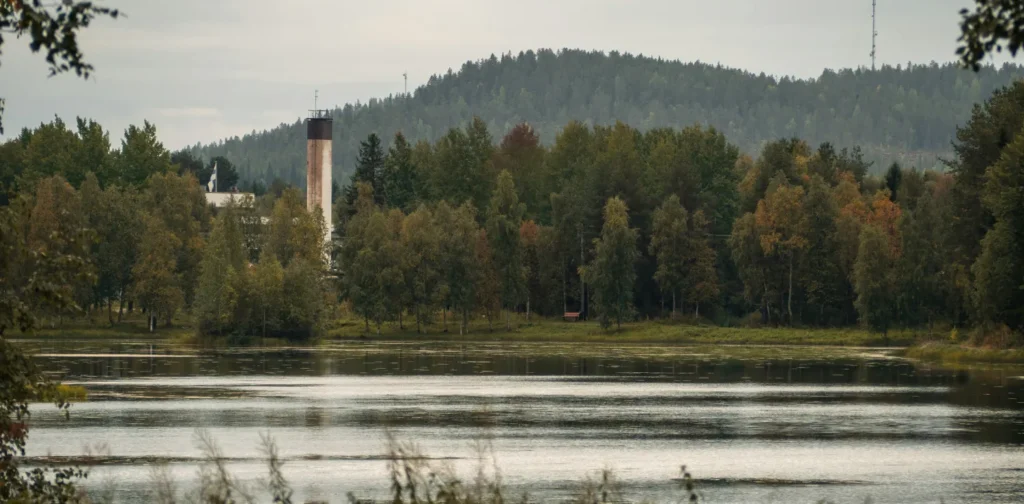
Photo: Aleksi Partanen on Unsplash.
Although highly carbon-intensive, coal still powers a significant portion of the global energy sector. The Coal 2024 report by the International Energy Agency (IEA) predicted global coal use would reach a record high of 8.77 billion tonnes in 2024. Nevertheless, coal phase-out is an urgent policy agenda to curb climate change. In this light, Finland has made significant strides by shutting down its last active coal power plants ahead of schedule.
Finland’s Coal Ban
Finland has one of the lowest levels of reliance on fossil fuels among IEA member countries. Between 2011 and 2021, the country had gradually reduced the overall share of fossil fuels in its energy supply, from 53% to 36%. More specifically, coal contributed only to 6.3% of Finland’s total energy supply by the end of that period. In the meantime, the country introduced a bigger portion of renewable energy into the mix. This led to bioenergy and waste having the biggest share of energy source (33.6%) as of 2021.
In 2019, Finland announced a plan to ban coal power plants by 2029 as part of its national energy and climate strategy. The overarching plan is to retire fossil energy sources to achieve an emission-free energy system, and coal is the first energy source to be banned. The government stated that the coal ban would help reduce CO2 emissions by around one million tons annually.
Coal Phase-Out Ahead of Plan
Finland retired its last active coal power plant in April 2025, four years ahead of the plan. Helen, one of the largest energy companies in the country, officially retired its power plant in Helsinki. As reported by Euronews, this closure will reduce coal’s contribution to less than 1% in the country’s energy mix.
Comprehensive policies and government support have been key enabling factors for the coal phase-out. Before the 2019 coal ban, the Finnish government had declared a commitment to a coal phase-out in 2016, followed by its membership in the Powering Past Coal Alliance in 2017. The Alliance supports countries in advancing the transition from coal power worldwide.
Furthermore, the government granted €22.8 million in funding aid in 2021 to support and accelerate coal phase-out projects in Espoo, Kirkkonummi, and Vaasa cities. “Support for phasing out the use of coal has been an excellent way of accelerating the transition to zero-emission heat and electricity production,” said Minister of Economic Affairs Mika Lintilä.
Accelerating Energy Transition
IEA’s Coal 2024 projects that coal use will plateau in the following years due to increased deployment of renewable energy. While many countries have set targets and begun taking actions to reduce coal use, what is needed right now is accelerated efforts as climate change worsens. Comprehensive policy measures, a supportive and enabling environment, and clear pathways, especially from the biggest carbon-emitting countries, are crucial in ramping up energy transition progress worldwide.
Editor: Nazalea Kusuma

Kresentia Madina
Madina is the Assistant Manager of Stakeholder Engagement at Green Network Asia. She holds a bachelor’s degree in English Studies from Universitas Indonesia. As part of the GNA In-House Team, she supports the organization's multi-stakeholder engagement across international organizations, governments, businesses, civil society, and grassroots communities through digital publications, events, capacity building, and research.
 From Anxiety to Action: How Youth Climate Activism Is Evolving
  India’s Supreme Court Declared Menstrual Health and Hygiene as Fundamental Rights
  Impacts of E-waste Pollution on Animals and Human Health
  Africa’s Solar Energy Surge: Why 2025 Was a Breakthrough Year
  Agrihoods: Integrating Farms and Urban Neighborhoods into Sustainable Communities
  Women in Waste Management: Asia’s Circularity Runs on Women. Its Policies Still Don’t