

GRI and TNFD Published an Interoperability Mapping for Easier Biodiversity Disclosure
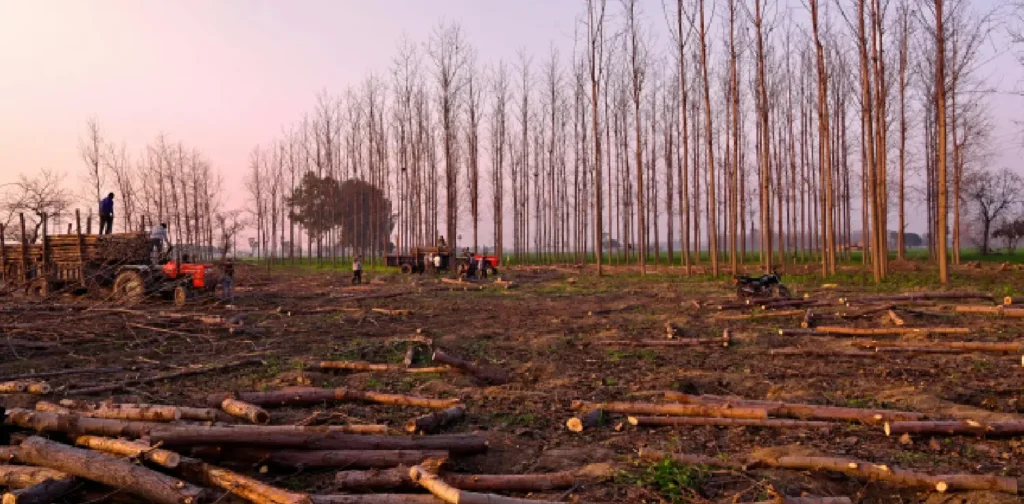
Photo: tejinder ladi photography on Pexels.
Business activities are often linked to biodiversity loss. Corporations are urged to publish a sustainability report detailing their impacts on biodiversity and how they manage them. In July 2024, the Global Reporting Initiative (GRI) and the Taskforce on Nature-related Financial Disclosures (TNFD) launched a joint interoperability mapping to support an integrated approach to biodiversity disclosure for businesses.
Corporate Biodiversity Disclosure
Various activities associated with business operations can cause biodiversity loss, including land-use change, pollution, and resource overexploitation. For instance, electric vehicle production involving mining can lead to massive logging and land conversion, threatening biodiversity. Sustainability reporting is one way corporations can show their commitment to addressing and limiting their impacts on biodiversity.
For over 25 years, the GRI has published standards to guide businesses and organizations in developing their sustainability report. In January 2024, the organization published an updated version of its biodiversity disclosure standard through the GRI 101: Biodiversity 2024.
Meanwhile, the Taskforce on Nature-related Financial Disclosures (TNFD) was established to develop a global risk management and disclosure framework for organizations to report and act on evolving nature-related issues. The TNFD Recommendation and Guidance on nature-related disclosures for organizations of all sizes, sectors, and value chains was released in September 2023.
GRI-TNFD Joint Interoperability Mapping
Since 2022, the GRI and TNFD have provided input into developing each other’s standards and guidance documents. In April 2024, the two organizations published an interoperability mapping detailing the alignment between the TNFD Disclosure Recommendations and metrics and the GRI Standards.
“The ongoing collaboration of GRI with the TNFD has resulted in this detailed mapping tool, supporting thousands of organizations worldwide that already report their biodiversity impacts using the GRI Standards. This resource enables them to seamlessly integrate the TNFD recommendations, allowing for simplified, single-source reporting,” said Bastian Buck, Chief Standards Officer at GRI. Likewise, the tool will enable those adopting the TNFD Recommendations to align their sustainability reporting with GRI standards.
In essence, biodiversity disclosure in GRI Standards is reflected in TNFD Recommendations and vice versa. One notable point of alignment is the consistency of terms and metrics. The tool underscores the consistent use of nature-related concepts and definitions between the documents, which follow the Intergovernmental Science-Policy Platform on Biodiversity and Ecosystem Services (IPBES) definitions. Furthermore, there is a strong consistency in relevant metrics between TNFD Recommendations and GRI Standards.
Halting Biodiversity Loss
In line with the Global Biodiversity Framework, halting and reversing biodiversity loss is urgent. Businesses, in particular, have enormous responsibilities to acknowledge their operations’ impacts on biodiversity and take decisive actions to minimize them.
In addition to this mapping, the TNFD and GRI also plan to develop and publish illustrative joint case studies and guidelines on the links between nature-related dependencies, impacts, risks, and opportunities. Integrated biodiversity disclosure and sustainability report standards become crucial to creating a structured and comprehensive mechanism for corporate accountability to minimize the environmental and social impacts of their operations.

Kresentia Madina
Madina is the Assistant Manager of Stakeholder Engagement at Green Network Asia. She holds a bachelor’s degree in English Studies from Universitas Indonesia. As part of the GNA In-House Team, she supports the organization's multi-stakeholder engagement across international organizations, governments, businesses, civil society, and grassroots communities through digital publications, events, capacity building, and research.
 From Anxiety to Action: How Youth Climate Activism Is Evolving
  India’s Supreme Court Declared Menstrual Health and Hygiene as Fundamental Rights
  Impacts of E-waste Pollution on Animals and Human Health
  Africa’s Solar Energy Surge: Why 2025 Was a Breakthrough Year
  Agrihoods: Integrating Farms and Urban Neighborhoods into Sustainable Communities
  Women in Waste Management: Asia’s Circularity Runs on Women. Its Policies Still Don’t