

Indonesia-Japan’s Volcanic Disaster Risk Reduction Loan Project
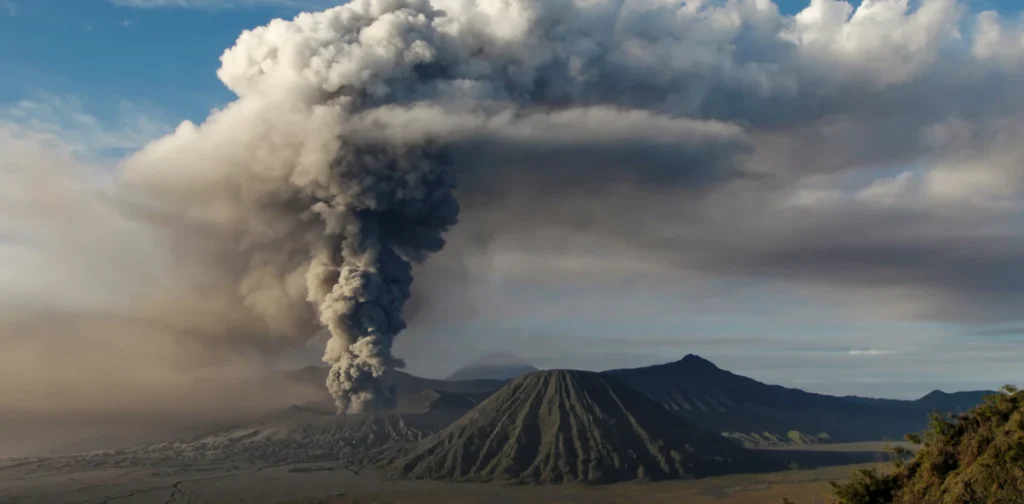
Photo by Marc Szeglat on Unsplash.
Indonesia and Japan are both located on the Pacific Ring of Fire with hundreds of active volcanoes. Without proper mitigation, this condition spells catastrophic disaster. In this light, Indonesia and Japan have signed a loan project for volcanic disaster risk reduction in Indonesia.
Blessings and Disasters
The Pacific Ring of Fire is an over 40,000-km path along the Pacific Ocean that traces the boundaries of several tectonic plates. It is characterized by the abundance of earthquakes and active volcanoes. Indonesia has 130 active volcanoes, amounting to 16% total volcanoes on Earth.
The presence of a volcano boosts soil fertility in the long-term because of the sulphur and other nutrients in volcanic ash. This potential can be maximized for the agricultural sector. The sand and rocks from a volcanic eruption are useful as construction resources. For example, volcanic ash can be turned into cement alternatives and used in concrete production.
These volcanoes also lend to a significant potential in tourism due to the attractive landscapes of the mountains and the calderas. Indonesia’s Mount Bromo, Ijen Caldera, and Kelimutu Lake are among the country’s top natural tourism destinations.
On the other hand, it also means volcanic disasters. According to data on Indonesia’s 44 primary volcanoes, there had been 198 massive eruptions in the past 710 years. These eruptions resulted in over 57,000 fatalities. One of the most prominent eruptions was of Mount Tambora in 1815, rated 7 on the volcanic explosivity index. Its impacts on Earth’s climate were felt all around the planet.
Moreover, a volcanic disaster usually come with other disasters, like earthquakes and tsunamis. The movement of magma triggers an earthquake, while the eruption of coastal or underwater volcanoes can lead to a tsunami. An example is the eruption of Mount Krakatau in 1883 that triggered a 46-meter high tsunami in the Sunda Strait area.
Volcanic Disaster Risk Reduction Loan
In December 2024, Indonesia and Japan signed a loan project agreement of up to 23.1 billion yen (approximately 148 million USD) for volcanic disaster risk reduction efforts in Indonesia. The loan is for projects aiming to build sustainable social and economic development in various volcanic regions in Indonesia.
Ueda Hajime, Minister for Economic Affairs at the Embassy of Japan in Indonesia, said that risk reduction can be done “by repairing and improving erosion control facilities and implementing non-structural measures to recover from the damage caused by volcanic eruptions and reduce disaster risks.”
This volcanic disaster risk reduction loan project must be implemented from December 2024 to July 2031. With 1.6% interest rate and a 30-year repayment period, the loan will focus on three mountains with increasing volcanic activities in recent years: Mount Kelud and Mount Semeru in East Java as well as Mount Agung in Bali.
Improving Resilience and Limiting Loss
Indonesia’s constitution law on Disaster Management defines mitigation as a series of efforts to reduce disaster risk, through infrastructure or improved awareness and capacity in facing disaster threats. For a disaster as massive in scale as volcanic eruptions, there needs to be effective strategies and robust multi-stakeholder collaborations that boost resilience and limit the loss—of people, infrastructure, property, and ecosystems.
Translator: Nazalea Kusuma
Editor: Abul Muamar & Nazalea Kusuma
The original version of this article is published in Indonesian at Green Network Asia – Indonesia.

Co-create positive impact for people and the planet.
Amidst today’s increasingly complex global challenges, equipping yourself, team, and communities with interdisciplinary and cross-sectoral insights on sustainability-related issues and sustainable development is no longer optional — it is a strategic necessity to stay ahead and stay relevant.
 The Invisible Infrastructure: What ASEAN’s Carbon Market Needs Most
  Indonesia Ruled to Recognize Chronic Illness as a Disability
  Clean Cooking as a Developmental Multiplier in Africa
  Congo Basin Peatlands Are Releasing Ancient Carbon
  From Anxiety to Action: How Youth Climate Activism Is Evolving
 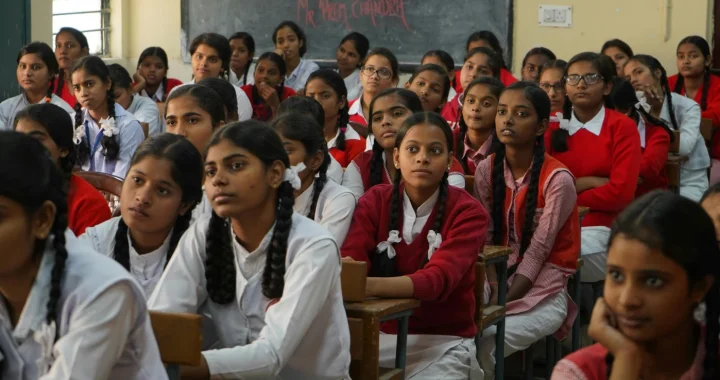 India’s Supreme Court Declared Menstrual Health and Hygiene as Fundamental Rights