

New Global Guidelines for Equitable Clinical Trials
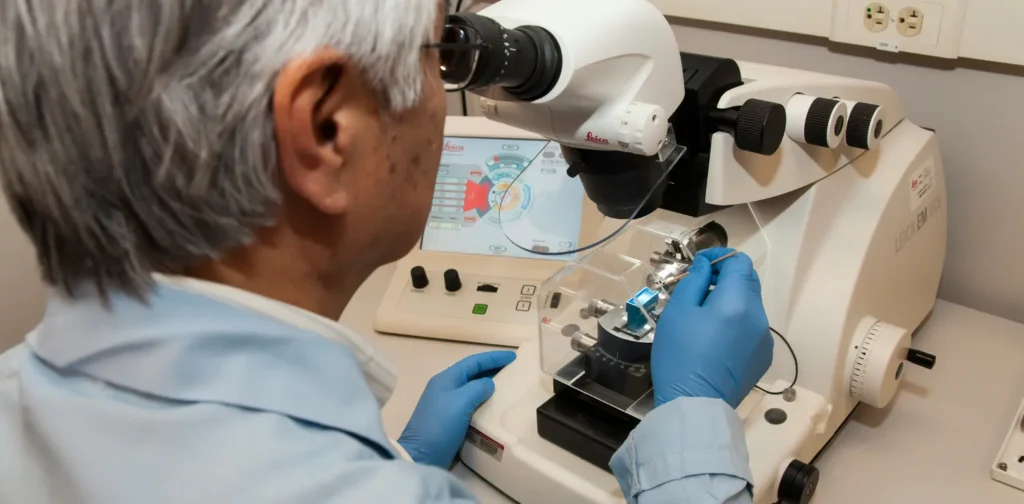
Photo: National Cancer Institute on Unsplash.
The recent pandemic has highlighted the importance of ongoing research in formulating new treatments and medicines. In the process, human trials are essential for assessing the safety and effectiveness of the treatments. Therefore, it is crucial to prioritize equity throughout the trials to develop new treatments and tests that are beneficial and accessible for all. In this light, the World Health Organization launched new guidelines to ensure more effective and equitable clinical trials.
Global Inequity in Clinical Trials
Clinical trials involve people who voluntarily participate in tests to evaluate the effects of new treatments and tests on humans. These trials are used to test ways to diagnose diseases early, explore approaches to prevent health issues, and improve people’s overall quality of life.
Unfortunately, global disparity issues also persist in clinical trials.
In 2022, over 27,000 trials were conducted in 86 high-income countries. On the other hand, there were only less than 25,000 trials conducted in 131 low- and middle-income countries. The issue indicates that, despite facing higher disease burdens, lower-income countries are less likely to conduct research for medicines and treatments.
Additionally, lower- and middle-income countries are often included in research because of their high rates of certain diseases. However, the results of these studies are primarily used to obtain approvals for new treatments in high-income countries and may not be authorized for use in the countries where the data originated.
Guidelines for Best Practices
The World Health Organization (WHO) has published an official document titled “Guidance for best practices for clinical trials” to provide recommendations for national health authorities, regulatory authorities, donors, and others in facilitating clinical trials.
This document is based on prior guides and aims to strengthen the global clinical trial system by identifying best practices and offering new guidelines to establish universal clinical trial standards.
Among the key areas noted in the guidance for clinical trials are:
- Guaranteeing the rights and wellbeing of participants
- Fostering collaboration and ensuring transparency
- Ensuring context-based feasibility
- Managing trials’ quality effectively and efficiently
At the technical level, the guidelines emphasize the urgency of ensuring randomization to prevent selection bias and using inclusive eligibility criteria to allow diverse populations, such as pregnant women, infants, and older adults, to participate unless there are valid safety concerns. It also calls for the adoption of an open science approach to ensure transparency and to respect changing consent from trial participants.
Pathway to Inclusive Healthcare for All
Ensuring best practices in clinical trials is vital for improving public health and ensuring that research meets community needs and maintains trust. “This new guidance aims to improve the diversity of trial participants to ensure research benefits the broadest range of people possible, decisively moving away from a one-size-fits-all approach,” said WHO’s Chief Scientist, Dr. Jeremy Farrar.
To ensure equitable and effective clinical trials, it is important to involve patients and communities, ensure monitoring from regulatory or ethics committees, and encourage coordination at both local and international levels.
All in all, support from governments and other funders is critical to building capacity and finance research in lower-income countries to promote equitable access to new treatments that create benefits for all.
Editor: Kresentia Madina & Nazalea Kusuma

Dinda Rahmania
Dinda is an Assistant of International Partnerships at Green Network Asia. She holds a bachelor’s degree in International Relations from President University. As part of the GNA In-House Team, she supports the organization’s partnerships with international organizations, governments, businesses, and civil society worldwide through digital publications, events, capacity building, and research.
 Africa’s Solar Energy Surge: Why 2025 Was a Breakthrough Year
  Agrihoods: Integrating Farms and Urban Neighborhoods into Sustainable Communities
  Women in Waste Management: Asia’s Circularity Runs on Women. Its Policies Still Don’t
  Embracing the Business Value of Sustainability
  American Farmers Call for Government Support Amidst PFAS Contamination
  Asia Pacific’s SDG Progress Faces Major Setbacks