

Using Traffic Rumblings to Measure Soil Moisture
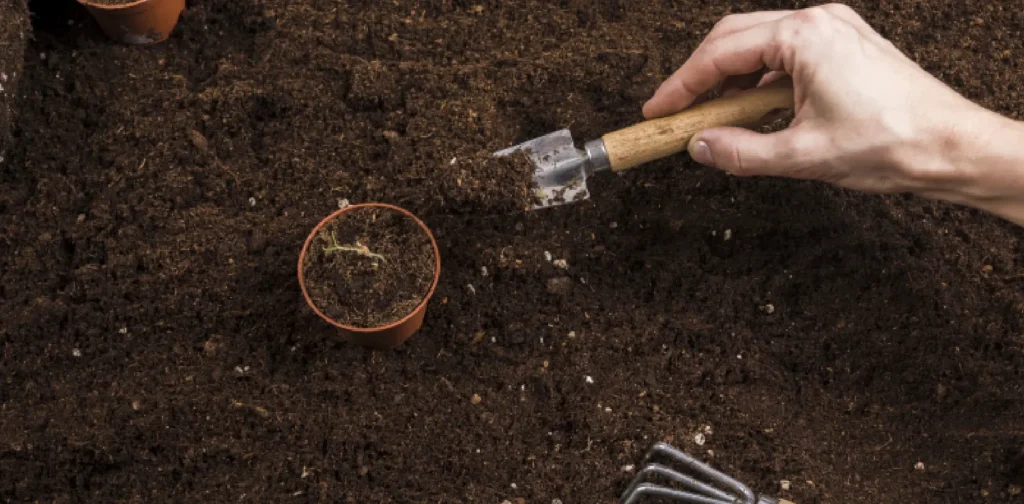
Photo by Freepik
Maintaining the natural character of the environment is critical to preserve the life cycles on Earth. Soil moisture, in particular, is essential for the growth of plants and crops. Therefore, monitoring its condition becomes especially important amidst climate change and the potential threat of drought it causes. In this light, researchers revealed a new method to measure soil moisture based on ground vibrations from daily human activities.
Soil Moisture as Life Sustainer
Soil is essential for life on Earth, helping with everything from growing food and filtering water to providing habitats for wildlife. For growing crops and plants, soil moisture is especially important. Soil moisture is the amount of water found in the top layer of soil. It ties to the water cycle, influencing weather, plant growth, and groundwater levels.
In agriculture, soil moisture is key for managing crops and planning for irrigation. Farmers can figure out the best amounts and period to water their fields for the best harvest by measuring soil moisture.
Additionally, knowing how much water is available in the soil can serve as an early warning sign of potential drought or flood. This allows us the time and information for an effective disaster risk management plan that minimizes harm overall.
New Method to Measure Soil Moisture
Researchers have recently developed a new method for measuring soil moisture. This method involves measuring ground vibrations caused by daily human activities, such as traffic rumblings, to detect water content. The idea is that water slows down these vibrations, and measuring it can determine the amount of water in the soil. The method was introduced by Seismologist Zhongwen Zhan and Assistant Professor of Mechanical and Civil Engineering Xiaojing Fu from the California Institute of Technology.
The research was conducted for five years and started after the 2019 earthquake in California. Zhan and Fu were using a seismic detection system on cables to measure aftershocks when they realized it could also track changes in underground vibrations caused by soil moisture.
Specifically, the method uses a technique called distributed acoustic sensing (DAS). It involves pointing a laser at unused fiber optic cables buried underground, enabling them to detect any vibrations in the ground, helping them to measure soil moisture.
Soil Management for Future Generations
It is important to remember that soil is a finite resource that takes much longer to form than a human lifetime. Therefore, we must conserve and protect it, including carefully managing its moisture and nutrition levels. By testing soil and measuring its key characteristics, we can better understand its condition and create a baseline of prediction to make more informed decisions. Proper soil management ensures that soil remains healthy and productive for generations to come.
Editor: Nazalea Kusuma

Dinda Rahmania
Dinda Rahmania is an Assistant of International Partnerships at Green Network Asia. She holds a bachelor’s degree in International Relations from President University. As part of the GNA In-House Team, she supports the organization’s partnerships with international organizations, governments, businesses, and civil society worldwide through digital publications, events, capacity building, and research.
 Conservation Paradox: Managing the Overabundance of Endangered Koalas in South Australia
  Green Burnout: Sustainability Workers and Climate Activists Are Quietly Falling Apart
  The Warning Signals of Climate Change
  How Land Use and Climate Change Shape the Increasingly Precarious Balance of Global Deadwood Stocks
  The Injustice of Climate Finance: How Climate Change Is Draining Developing Nations
  The Need for One Health in Conservation