

Inequality in Youth Opportunities
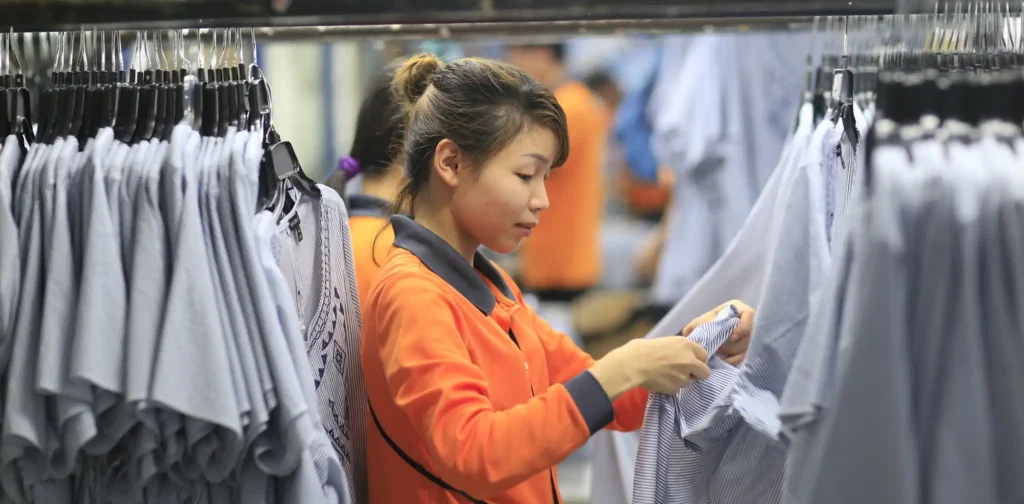
Photo by ILO Asia-Pacific on Flickr
The younger generation is seen as the future of society, bringing new innovations and moving beyond old methods. Despite high expectations for youth to create a better and more sustainable future, they still face major challenges in accessing essential opportunities. Therefore, addressing inequality in youth opportunities is crucial.
Uneven Recovery in Youth Employment
A recent ILO report shows that unemployment rates are at their lowest in 15 years, signaling a full recovery from the peak unemployment rate of the COVID-19 pandemic. However, nearly 65 million young people worldwide are still unemployed and some regions remain struggling in reducing unemployment, indicating that the recovery has not been evenly distributed.
The unemployment rate in East Asia reached a historic high of 14.5%. In emerging and developing economies, such as North Africa and the Arab states, job opportunities remain scarce. Additionally, South Asia struggles with a high NEET (Not in Employment, Education, or Training) rate, especially among young women (42%), making it the region with the widest gender gap.
Disparity in Education Access & Youth Opportunities
The gap in NEET rates between countries showcases inequality in youth opportunities around the world. Access to education and training prepare youth for transitioning into employment. Those with higher education or specialized skills are more likely to secure welfare and ensure income. On the other hand, limited access to training may lead to fewer options.
This unequal access to education is an issue with financial barriers as the primary factor. In 2023, around 63% of young people aged 15 to 24 in high-income countries were in school or training. In contrast, only 40% of young people in low-income countries were in school or training, highlighting a significant disparity between them.
In many low- and middle-income countries, young people without college or university education are more likely to be NEET than those with higher education. This is especially true for young women, who see a bigger improvement in NEET rates from getting a higher education compared to young men.
Ensuring Youth Welfare for Sustainable Future
Youth aged 15 to 24, or Generation Z, are the youngest in the workforce and are highly aware of urgent issues like climate change. Youth and their active involvement play a crucial role in shaping the future of society. They are essential to addressing global challenges and creating a sustainable future. Hence, to ensure young people can fully contribute, their wellbeing must be guaranteed. This involves providing equal and inclusive opportunities for education, training, and employment. Doing so is crucial for securing their welfare and empowering them to play a key role in creating a sustainable future for all.
Editor: Nazalea Kusuma

Co-create positive impact for people and the planet.
Amidst today’s increasingly complex global challenges, equipping yourself, team, and communities with interdisciplinary and cross-sectoral insights on sustainability-related issues and sustainable development is no longer optional — it is a strategic necessity to stay ahead and stay relevant.

Dinda Rahmania
Dinda is an Assistant of International Partnerships at Green Network Asia. She holds a bachelor’s degree in International Relations from President University. As part of the GNA In-House Team, she supports the organization’s partnerships with international organizations, governments, businesses, and civil society worldwide through digital publications, events, capacity building, and research.
 Red Flags in the EU’s Industrial Accelerator Act (IAA)
  Untangling the Root Causes Underneath Lesotho’s Suicide Crisis
  Looking into the Inadequate Legal Recognition for Women’s Tenure Rights Across the Global South
  The Disproportionate Cost of Data Centers for Local Communities
  Will the EU Ban on Destroying Unsold Clothes Reduce Textile Waste?
  How Extreme Heat Affects Human Livability