

Will the UK Government Finally Deliver the £15 Million Food Waste Fund?
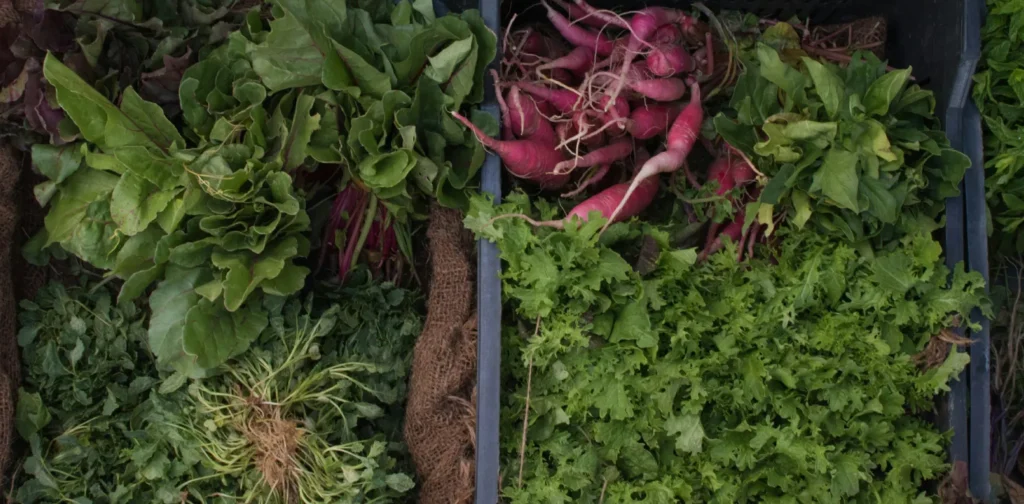
Photo by Peter F on Unsplash
The irony of mounting food waste and hungry people is unfortunate. More than that, it is a glaring sign of the structural flaw in the way societies work. Efforts from various stakeholders arise worldwide to address this issue. In the UK, the government finally announced the plan for a £15 million food waste fund after years of promise.
Long-Promised
The total amount of global food loss and waste should be enough to feed the world’s hungry twice over. Instead, most of them are not properly managed, dumped in landfills and producing methane that contributes to greenhouse gas emissions.
The UK government estimates that every year, 330,000 tonnes of edible food becomes animal feed or is wasted before leaving farms. In 2018, the then Environment Secretary Michael Gove made the promise for a food waste fund. The promise was reiterated in 2024 by then Prime Minister Rishi Sunak, yet it remained unfulfilled.
In December 2024, the government finally announced the £15 million fund to redistribute surplus produce from farms to those in need. “After years of campaigning by food redistribution charities, we are thrilled to see this fund come to fruition,” said The Felix Project CEO Charlotte Hill and FareShare CEO Kris Gibbon-Walsh in a joint statement.
£15 Million Food Waste Fund
The UK already has a growing food redistribution sector. These organizations redistribute surplus food–that would have been waste–from farms to food banks, charities, and homeless shelters.
“Every year, the amount of surplus food being redistributed is going up, but sadly the need is also increasing so this gives a much-needed boost. Last year, 191,000 tonnes of food from retailers, food manufacturers, the hospitality sector and UK farms – worth £764 million – was redistributed with the potential to make 450 million meals,” explained WRAP CEO Harriet Lamb.
The program will provide grants starting from £20,000 going to the not-for-profit food redistribution sector. The funding could go toward new equipment that would help them to transport bulky produce. It could also fund more training to staff to improve their skills, quality, and efficiency.
If executed properly, the food waste fund should help reduce food waste, help farmers lower costs to manage waste, and distribute more food to those who need it the most. According to the UK government, more information about the fund, including eligibility criteria, will be announced in 2025.
Toward Circular Economy
In light of climate change and the mounting waste problem, the UK aims to transition to a circular economy. The government has formed a Circular Economy Taskforce, comprising industry actors, academia, and civil society from all sectors across the country. In the food sector, the Institute of Grocery Distribution (IGD) and the Waste and Resources Action Programme (WRAP) launched the Food Waste Reduction Roadmap in 2018 and updated it in 2023.
There is still a lot to be done–more commitments to make and more pledges to fulfil. Now more than ever, it is crucial to keep demanding bold actions from governments and whole-of-society and monitoring the execution of existing plans for a better future for all.

Nazalea Kusuma
Naz is the Manager of International Digital Publications at Green Network Asia. She is an experienced and passionate writer, editor, proofreader, translator, and creative designer with over a decade of portfolio. Her history of living in multiple areas across Southeast Asia and studying Urban and Regional Planning exposed her to diverse peoples and cultures, enriching her perspectives and sharpening her intersectionality mindset in her storytelling and advocacy on sustainability-related issues and sustainable development.
 Unpacking SBTi’s Corporate Net-Zero Standard V2.0: Balancing Science and Business Realities
  Farmer Loneliness, the Overlooked Mental Health Crisis Within the Food System
  Conservation Paradox: Managing the Overabundance of Endangered Koalas in South Australia
  Green Burnout: Sustainability Workers and Climate Activists Are Quietly Falling Apart
  The Warning Signals of Climate Change
  How Land Use and Climate Change Shape the Increasingly Precarious Balance of Global Deadwood Stocks