

Addressing Statelessness in the Climate Crisis
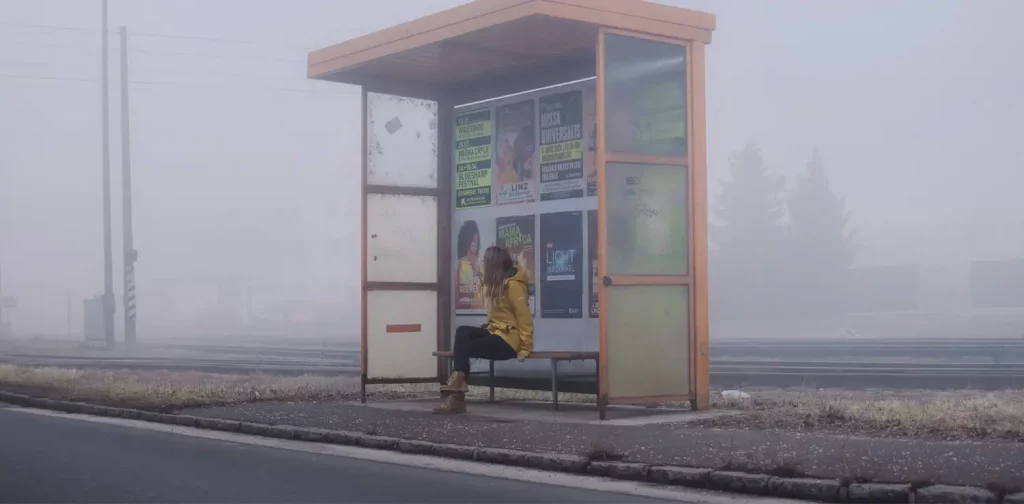
Photo by Amel Majanovic on Unsplash.
For over 30 years, Meepia Chumee belonged nowhere. She was born in Thailand, yet she spent almost her entire life as a citizen of no country. Because of this, she barely had access to education, healthcare, and decent work. She was scared to even step out of her little village in northern Thailand.
Thankfully, Meepia finally gained her citizenship at age 34 after the help from grassroots organizations Legal Community Network (LCN) and Legal Advocacy Walk (LAW). Meepia was only one person among more than 4.3 million stateless people in the world.
What is Statelessness?
According to the UN Refugee Agency (UNHCR), a stateless person is “a person who is not considered as a national by any State under the operation of its law”. Stateless people are often denied basic human rights their entire life: birth certificate, education, healthcare, legal identity, job opportunities, marriage, and death certificate.
“They are prevented from accessing their basic human rights and fully participating in society. Their lives are marked by exclusion, deprivation, and marginalization,” said Filippo Grandi, the UN High Commissioner for Refugees.
Statelessness and Climate Change
Some are born stateless, and some others become stateless later in life. Statelessness may happen due to systemic discrimination based on race, ethnicity, religion, language, or gender. It may also occur because of the gaps in nationality laws or the emergence of new states. Sometimes, people can become stateless after moving.
Climate change has been causing hazardous weather and disasters around the world. In 2020 alone, these events led to the displacement of more than 30 million people.
Displaced people are at a higher risk of statelessness due to documentation loss, permanent displacement to another country, and other factors. Furthermore, stateless people are most likely excluded from disaster relief, emergency healthcare, social service, and national adaptation plans in the first place.
Addressing the Challenges
The UNHCR recommends several good practices to help governments address the challenges of statelessness and climate change, such as:
- Resolve the existing statelessness situations by following the Global Action Plan to End Statelessness guidance and increasing compliance with international human rights instruments.
- Include statelessness prevention, reduction, and stateless people in the climate change adaptation and disaster risk management plans and policies.
- Engage in bilateral and regional arrangements about cross-border displacement in the context of climate change.
Grandi said, “While we have seen great progress in the past few years to remedy this blight on humanity, much more political commitment and effort is needed to improve the lives of the millions languishing without citizenship and living in the shadows.”
While governments bear the lion’s share of responsibility to end statelessness, collaboration is crucial. Many stateless people are ethnic minorities living near the borders, so grassroots organizations, UN bodies, and governments must diligently work together to reach everyone.

Nazalea Kusuma
Naz is the Manager of International Digital Publications at Green Network Asia. She is an experienced and passionate writer, editor, proofreader, translator, and creative designer with over a decade of portfolio. Her history of living in multiple areas across Southeast Asia and studying Urban and Regional Planning exposed her to diverse peoples and cultures, enriching her perspectives and sharpening her intersectionality mindset in her storytelling and advocacy on sustainability-related issues and sustainable development.
 The Truth Behind Space Debris and the Urgency for Space Governance and Accountability
  Non-Economic Loss and Damage: Making sense of our intangible loss in a changing climate
  Unpacking SBTi’s Corporate Net-Zero Standard V2.0: Balancing Science and Business Realities
  Farmer Loneliness, the Overlooked Mental Health Crisis Within the Food System
  Conservation Paradox: Managing the Overabundance of Endangered Koalas in South Australia
  Green Burnout: Sustainability Workers and Climate Activists Are Quietly Falling Apart