

New Monitoring and Evaluation System for Social and Cultural Progress in Southeast Asia
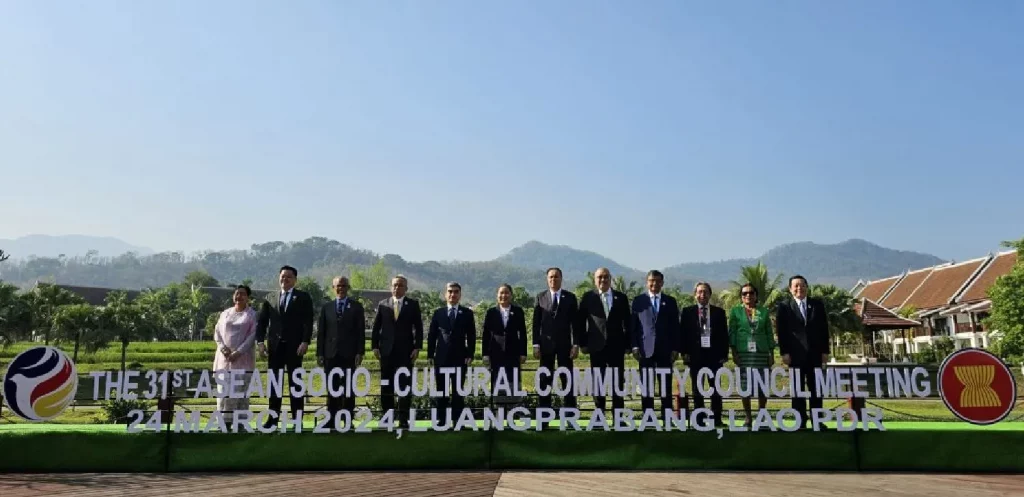
Photo by ASEAN on Asean.org
Southeast Asia shimmers like a vast tapestry, with each nation a unique thread woven together in a dazzling display of culture. Yet, tapestries need constant care, and the ASEAN Socio-Cultural Community (ASCC) acts as the loom. The ASCC recently launched the ADME System, a monitoring and evaluation system that will play a key role in tracking progress on social and cultural progress in Southeast Asia.
Social and Cultural Progress in Southeast Asia
Southeast Asia encapsulates a captivating blend of social and cultural diversity across its nations. While the region has witnessed significant economic growth in recent decades, the World Bank estimates that 133 million people in Southeast Asia still live below the national poverty line. This disparity often overlaps with ethnic and geographic divides, with rural communities and Indigenous groups facing higher poverty rates.
Another pressing concern is gender inequality. While strides have been made in education and female workforce participation, the Asian Development Bank reports that women in Southeast Asia still earn, on average, 20% less than men.
Furthermore, Southeast Asia remains a land shaped by its rural roots. A staggering three-quarters of its population lived in non-urban areas. This dominance of rural life presents unique challenges and opportunities for the region’s development.
Despite this complexity, Southeast Asia also possesses immense potential. The ASEAN Socio-Cultural Community (ASCC) plays a vital role in addressing social and cultural issues, promoting regional cooperation, and fostering a brighter future for all.
The ASCC Database for Monitoring and Evaluation (ADME) System
To effectively address these complex socio-cultural issues, data-driven decision-making is crucial. The 31st ASCC Council Meeting resulted in several outcomes, including the launch of the ASCC Database for Monitoring and Evaluation (ADME) System. The ADME System acts as a watchful eye on the progress of ASCC programs.
Here’s how the ADME System will contribute to Southeast Asia’s social and cultural progress:
- It streamlines the collection and measurement of socio-cultural indicators across the member states.
- It facilitates comprehensive and regular monitoring of the ASCC Blueprint 2025 and the upcoming ASCC Post-2025 Strategic Plan.
- It promotes transparency and accountability in previous programs as a reference for future efforts and strategies.
ASCC Future Strategic Plans
The ADME System is building global collaboration for initiatives aimed at advancing social and cultural progress in communities. This will ultimately create a one-stop for reliable data on every working program of the ASCC. With this information readily available, governments and organizations in the member states are able to make impactful project choices that build a just, inclusive, and sustainable society throughout the region by strengthening the social, cultural, and human dimensions.
Editor: Nazalea Kusuma

Co-create positive impact for people and the planet.
Amidst today’s increasingly complex global challenges, equipping yourself, team, and communities with interdisciplinary and cross-sectoral insights on sustainability-related issues and sustainable development is no longer optional — it is a strategic necessity to stay ahead and stay relevant.
 Unpacking SBTi’s Corporate Net-Zero Standard V2.0: Balancing Science and Business Realities
  Farmer Loneliness, the Overlooked Mental Health Crisis Within the Food System
  Conservation Paradox: Managing the Overabundance of Endangered Koalas in South Australia
  Green Burnout: Sustainability Workers and Climate Activists Are Quietly Falling Apart
  The Warning Signals of Climate Change
  How Land Use and Climate Change Shape the Increasingly Precarious Balance of Global Deadwood Stocks