

Bangladesh Protest and Its Widespread Impact
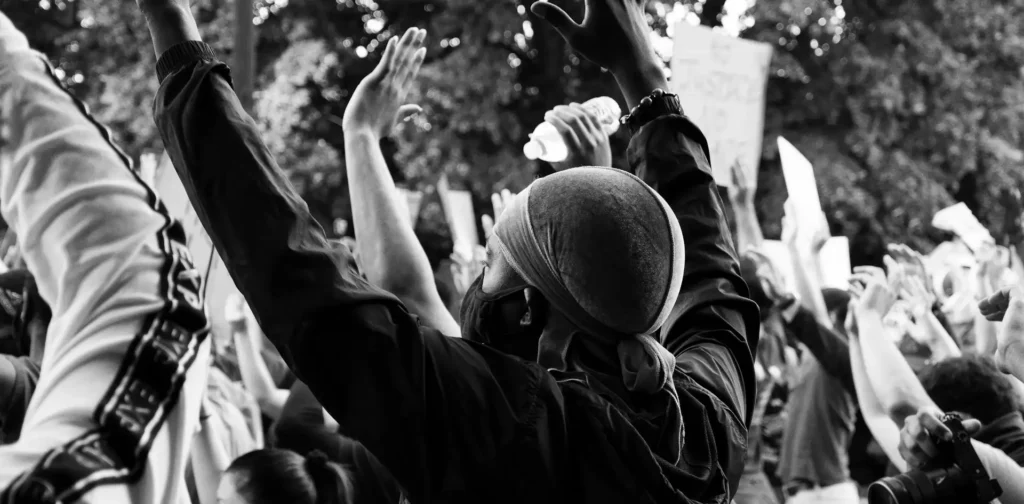
Photo by Koshu Kunii on Unsplash
Sustainable development underlines the importance of good governance and protection of human rights for all people within the framework of a democratic system. However, often there are still misconducts committed by authorities which may ultimately lead to human rights violations. In Bangladesh, civil demonstrations were hit by unfortunate violent reactions from the government, resulting in casualties and impacting educational institutions.
The Bangladesh Demonstration
In July 2024, Bangladeshi students began protesting against the quota system for government jobs. Protesters criticized the system as unfair and demanded it be replaced with a merit-based system. The quota had been removed in 2018 but was brought back in June 2024, sparking new protests.
The government later reversed their decision in response to public pressure. However, it is difficult to determine whether the reforms were effective because authorities shut down internet access and closed campuses in reaction to the protests. Such action is preventing the general public from accessing information, thus suppressing criticism and restricting the rights to free speech and peaceful assembly
Widespread Impact
The demonstrations escalated into a human rights disaster as authorities’ violent response resulted in roughly 100 deaths and hundreds of injuries across eleven districts. According to UNICEF’s data, at least 32 children died during the ongoing protests.
Furthermore, schools were shut down and will remain so until further notice. UNICEF reported that approximately 30 million students from primary to secondary levels are impacted and missing school days. This means children are unable to reunite with their peers, finish their schooling, or study in a safe environment.
Call for Government Commitment
The UN Deputy Spokesperson remarked during a briefing that the UN is closely watching the situation. As of August 7, 2024, the mass uprising is still ongoing, causing the Prime Minister of Bangladesh to resign and leaving uncertainty in the government.
All in all, it is the government’s duty to listen to the needs and demands of the public to ensure societal well being in the face of modern challenges and address them. For instance, difficulties in finding jobs have led to ongoing protests and demonstrations, driven by perceptions of a system that is seen as unfair, benefiting certain groups, and not respecting merit.
Ensuring a safe, fair, and open channel between people and the government is key to democracy. On the other hand, in emergencies or other critical situations like nationwide protests, the protection of civilians’ rights must be a priority and is vital to lessening the widespread negative impact.
Co-create positive impact for people and the planet.
Amidst today’s increasingly complex global challenges, equipping yourself, team, and communities with interdisciplinary and cross-sectoral insights on sustainability-related issues and sustainable development is no longer optional — it is a strategic necessity to stay ahead and stay relevant.

Dinda Rahmania
Dinda is an Assistant of International Partnerships at Green Network Asia. She holds a bachelor’s degree in International Relations from President University. As part of the GNA In-House Team, she supports the organization’s partnerships with international organizations, governments, businesses, and civil society worldwide through digital publications, events, capacity building, and research.
 The Widespread Impacts of Severe Drought in Somalia
  Ensuring Access to Justice for Women and Girls
  The Invisible Infrastructure: What ASEAN’s Carbon Market Needs Most
  Indonesia Ruled to Recognize Chronic Illness as a Disability
  Clean Cooking as a Developmental Multiplier in Africa
  Congo Basin Peatlands Are Releasing Ancient Carbon