

BIFA Project Helps Conserve Honey Bees in Thailand Through Research and Digitization
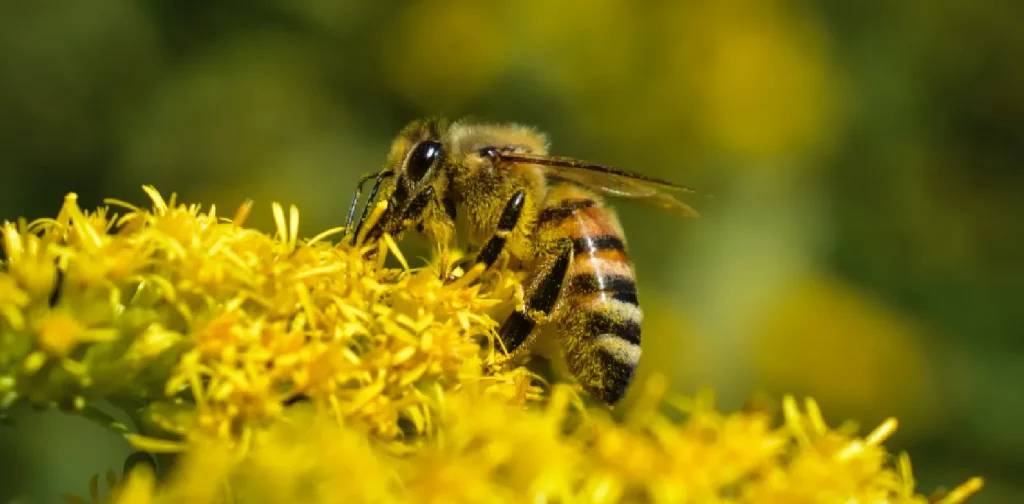
Photo: Chris on Pexels.
Honey bees play an important role in conserving the natural ecosystem and human life. A recent global research found that even though 15% of the world’s bee species are believed to live in Asia, only 1% of available data on bee distribution worldwide originates from that region. In response, Thailand launched a joint research project, the Biodiversity Information Fund for Asia (BIFA), producing databases and digitizing the diversity of honey bees in the region.
Honey Bees in Thailand
Southeast Asia has eight native known honey bee species, four of which can be found in Thailand. Besides their roles as pollinators that help flowering plants reproduce, honey bees also supply income for Thailand’s rural populations. Native Honeybees and Pollinator Research Center (NHBEE) in Thailand estimates the income obtained from honey bee products to be approximately USD700/year.
Unfortunately, habitat loss, restricted distribution and nesting opportunities, unsustainable harvesting of honey, and climate change pose a threat to honey bees. Bee conservation efforts throughout Asia are needed, including research. Due to the difficulty of collecting data, most bee research conducted in Asia has only focused on individual bee studies rather than community-wide studies.
Biodiversity Information Fund for Asia (BIFA) Project
Thailand aims to tackle this issue through the Biodiversity Information Fund for Asia (BIFA) project. The BIFA is a research project by Chulalongkorn University, in collaboration with the Global Biodiversity Information Facility (GBIF), as an international network and data infrastructure.
The BIFA project activities include photographing bee samples, designing barcodes and labels that store genetic information to be read digitally, making duplication of the data to enable publication in the GBIF, and mapping species distributions.
So far, this research project has applied its works on 8,000 bee specimens—approximately 67% of the total collection from the University Natural History Museum (CUNHM). Besides providing a database in the GBIF, this project also contributes to biodiversity information in Thailand through the National Science and Technology Development Agency (NSTDA), a partner providing matching funds.
In addition, these procedures and techniques for digitizing bee records will be shared with the country’s universities and other institutions for future research.
Further Research Needed
Research is a vital part of conservation. The data will inform policymakers and other stakeholders how to move forward and best serve people and the planet.
Natapot Warrit, an assistant professor and researcher at Chulalongkorn University, says that collaboration between researchers in different countries is essential for understanding the diversity of bees.
“We need to know where they are so we can protect them. “As soon as we get the data in some decent shape, we can start assessing their red-listing condition to learn more about their vulnerabilities to extinction,” Warrit said.
Editor: Nazalea Kusuma
 The Invisible Infrastructure: What ASEAN’s Carbon Market Needs Most
  Indonesia Ruled to Recognize Chronic Illness as a Disability
  Clean Cooking as a Developmental Multiplier in Africa
  Congo Basin Peatlands Are Releasing Ancient Carbon
  From Anxiety to Action: How Youth Climate Activism Is Evolving
  India’s Supreme Court Declared Menstrual Health and Hygiene as Fundamental Rights