

Ecodesign for Sustainable Products Regulation (ESPR) for a Circular and Sustainable EU Market
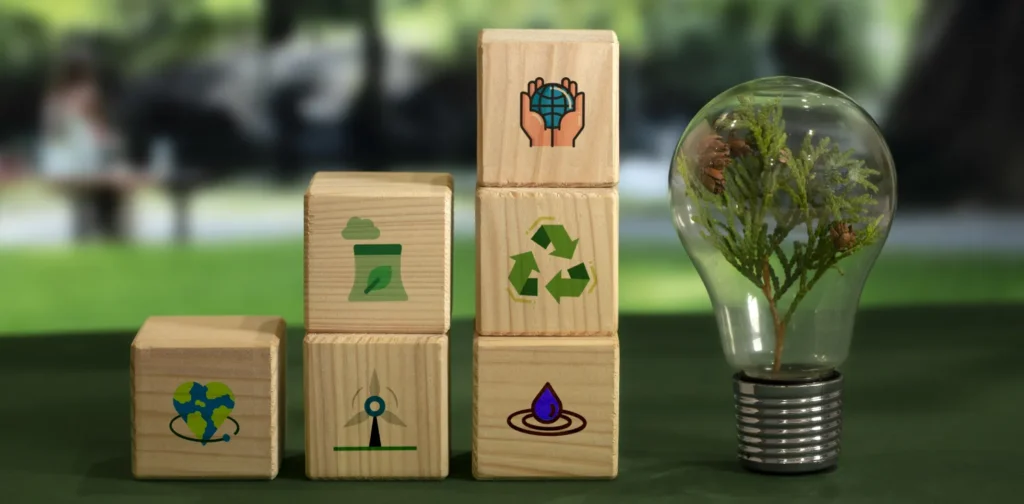
Photo: Freepik
The world faces growing challenges from waste and resource use, especially as many products are designed for short-term use and then discarded. To tackle this, we must push for more sustainable and circular ways of producing and consuming products. In the EU, the Ecodesign for Sustainable Products Regulation (ESPR) sets stricter rules aimed to make products last longer, primed for repair, and better for the environment.
Understanding Ecodesign for Sustainable Products Regulation
The Ecodesign for Sustainable Products Regulation (ESPR) is an European Union (EU) initiative aimed at making sustainable products as the standard across the European market. As a key part of the EU’s Green Deal and Circular Economy Action Plan, ESPR supports the EU’s goals into a sustainable and resource-efficient economy by 2050.
Launched on July 18, 2024, ESPR replaced the previous Ecodesign Directive, which mainly focused on short-term use, low cost, and quick turnover, leading to overproduction, overconsumption, and rapid waste generation.
With ESPR, stricter environmental criteria are considered from the very beginning of a product’s design and manufacturing process, hopefully leading to significantly reduced waste generation and resource consumption. ESPR can also increase consumers’ trust by providing clear and accessible data on a product’s environmental impact. This transparency prevents greenwashing, supports accurate green claims, and enables consumers to make informed choices.
Key Features of ESPR
The Ecodesign for Sustainable Products Regulation introduces several key features to transform product design and manufacturing in the EU:
- Durability, Repairability, and Upgradability: Products must be designed to last longer, be easier to repair, and allow for upgrades, supporting the right to repair and reducing waste.
- Resource and Energy Efficiency: The regulation encourages the use of recycled and renewable materials and sets limits on energy and resource consumption.
- Ban on Destruction of Unsold Goods: Large companies are prohibited from destroying unsold products, such as textiles and footwear, and must report on how they handle unsold stock.
- Digital Product Passport (DPP): Every regulated product will have a digital passport containing detailed information about its environmental impact, materials, and recyclability, improving transparency for consumers and businesses.
- Circularity and Recyclability: ESPR sets rules to increase recycled content, make products easier to remanufacture, and restrict substances that inhibit recycling or reuse.
Toward Circular Economy
The ESPR will be implemented in the second quarter of 2025, with sectors gradually being added. The first groups expected to be regulated include materials like iron, steel, plastics, and paper, as well as final goods such as textiles, furniture, tyres, and cosmetics.
The ESPR applies to all products placed on the EU market, impacting manufacturers, importers, and distributors, regardless of their size. While there are no automatic exemptions for small and medium-sized enterprises (SMEs), the EU may introduce support measures to help them comply in the future.
Ultimately, policy and regulatory advancement toward more sustainable, circular industries must benefit the economy, protect the environment, and support people from all walks of life.
Editor: Nazalea Kusuma
 Call for Governance: Grassroots Initiatives Look to Scale Efforts to Conserve Depleting Groundwater
  Integrating Environment, Climate Change, and Sustainability Issues into Education Systems
  Finally Enforced: Understanding the UN High Seas Treaty
  Risks and Opportunities of Submarine Communication Cables for Sustainable Development
  Rising Attacks and Violence Against Land and Environmental Defenders
  Unveiling Potential Technological Risks amid Global Crises