

How Climate Change Exacerbates the Food Crisis in Malawi
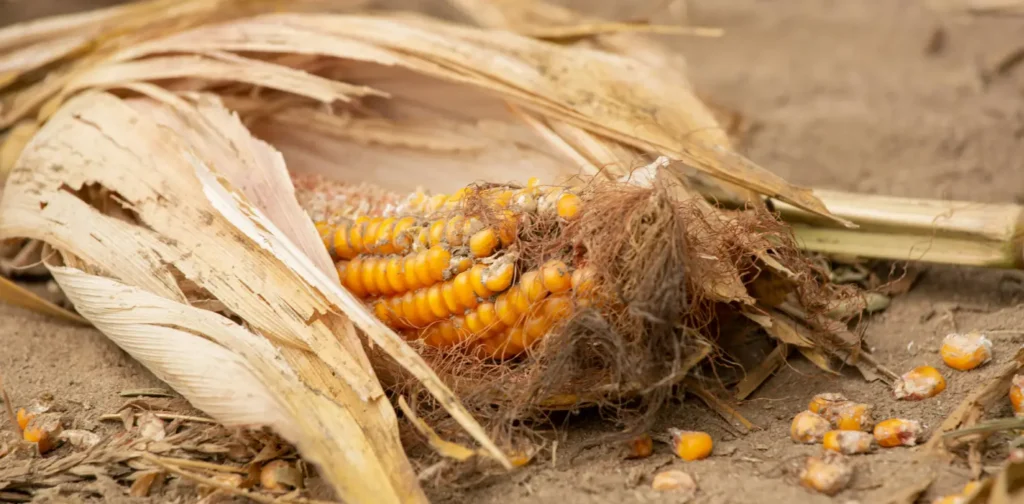
Photo: Tschernjawski Sergej on Unsplash.
As a country with a high dependence on agriculture, Malawi has been experiencing devastating impacts of climate change. Drought and failed crops have led to a widespread food crisis that threatens the lives of millions.
Malawi’s Agricultural Decline
Around 56% of Malawi’s soil is cultivable. Agriculture accounts for 42% of the country’s GDP and 81% of its export earnings. However, rising debt and declining economic performance have led to declining agricultural productivity and, consequently, poor livelihood and welfare for rural communities.
This condition is further exacerbated by weather and climate events. Early in 2024, Malawi and other African countries declared a state of disaster due to El Niño, which disrupted rainfall patterns and caused weather irregularities. These occurrences left the country’s soils in an abnormally dry state, resulting in crop failures and a prolonged food crisis.
Millions of People in Food Crisis
As reported by France 24, people in Malawi only had access to mangoes for over a year instead of their staple crop, maize. A preliminary assessment by the government reveals that about 44% of Malawi’s corn crop had been directly affected by the drought. By extent, this condition affected 2 million households.
Furthermore, the World Food Programme noted that 9 million people, nearly half of Malawi’s population, are experiencing varying degrees of hunger and food insecurity. Most of them are just one level away from the emergency state. People are shifting from producing to buying food to survive, and even that has been incredibly challenging.
“People are going hungry already. This should be the season of plenty, but food is running out. There’s evidence that people’s ability to deal with these things has been eroded over time,” said Jan Duchoslav and Joachim De Weerdt, research fellows for the International Food Policy Research Institute.
In response to the crisis, Malawi’s government has called for international assistance. President Chakwera said that the country requires over $200 million in humanitarian assistance to import food and combat hunger. Similarly, researchers also echoed the urgency for food import and donor support as realistic ways to solve the food crisis in Malawi.
Urgency for Disaster Preparedness
As a vital part of our health and growth, the inability to procure food, especially for kids, can lead to extended health issues, such as stunting and nutrition deficits. Ensuring food security is crucial. The food crisis in Malawi serves as a real example of the severity of climate change impacts and how they disproportionately affect vulnerable countries.
Moreover, the crisis also underscores the importance of social assistance and relief programs in improving community resilience against climate change and other crises. Improvements in disaster preparedness and management must be implemented by governments and related organizations to protect people from risk and ensure their continued wellbeing.
Editor: Nazalea Kusuma

Co-create positive impact for people and the planet.
Amidst today’s increasingly complex global challenges, equipping yourself, team, and communities with interdisciplinary and cross-sectoral insights on sustainability-related issues and sustainable development is no longer optional — it is a strategic necessity to stay ahead and stay relevant.

Kresentia Madina
Madina is the Assistant Manager of Stakeholder Engagement at Green Network Asia. She holds a bachelor’s degree in English Studies from Universitas Indonesia. As part of the GNA In-House Team, she supports the organization's multi-stakeholder engagement across international organizations, governments, businesses, civil society, and grassroots communities through digital publications, events, capacity building, and research.
 The Invisible Infrastructure: What ASEAN’s Carbon Market Needs Most
  Indonesia Ruled to Recognize Chronic Illness as a Disability
  Clean Cooking as a Developmental Multiplier in Africa
  Congo Basin Peatlands Are Releasing Ancient Carbon
  From Anxiety to Action: How Youth Climate Activism Is Evolving
  India’s Supreme Court Declared Menstrual Health and Hygiene as Fundamental Rights